

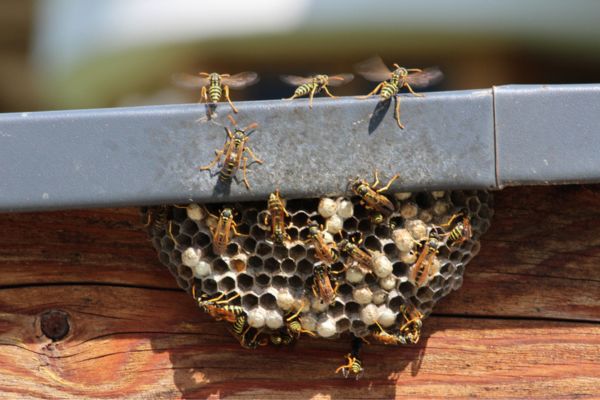
What sounds do stinging pests make?
From the gentle buzz of a bee to the menacing whine of a wasp, the sounds these insects make can serve as a first line of defense, alerting us to their presence. Understanding the unique hornet and wasp sounds associated with different stinging pests is crucial for effective identification and prevention. By knowing what a wasp sounds like, we can better navigate our interactions with these insects, taking steps to protect ourselves and our environments from unwanted encounters.
Common stinging pests and their sounds
Wasps and hornets, while often feared for their stings, communicate and navigate their world through a variety of sounds. These wasp sounds are not only a means of communication, but they also serve as a warning of potential threats. Here’s what these insects sound like:

Wasps
Wasps produce sounds primarily through their wings, which buzz or hum as they fly. Additionally, wasps can create tapping or clicking noises with their mandibles or bodies when they are building their nests or communicating within the nest. These wasp sounds serve different purposes, including communication within the colony, navigation, and alerting others to threats or the presence of food.

Hornets
Hornets, much like other social insects, communicate through a variety of sounds. Hornet sounds are primarily produced through vibrations generated by their wings and bodies. Hornets make a softer buzzing or humming sound when they are tending to their nests. This hornet sound is believed to be a form of social communication among the colony members. Additionally, hornets can produce clicking sounds by snapping their mandibles, which is thought to be a defensive behavior warning potential threats of their presence.
What should I do if I hear a stinging pest?
If you hear wasp or hornet sounds, it's important to stay calm and avoid panicking. Do not try to swat or hit the pest, as this could provoke it to sting. Instead, slowly move away from the area where you heard the hornet or wasp sound. Remember, safety is important, so it’s best to call your local Terminix technician, who specializes in safely removing stinging pests.
Hornets and wasps are among the 39 pests covered by our annual pest control plans, PestFree3651 and PestFree365+.2 Start protecting yourself from these unwanted pests today.
1 Coverage includes: “House” Ants, Bird Mites, Indoor Ticks, Cockroaches, Carpet Beetles, Fabric Moths, Overwintering Insects, Ground Beetles, Centipedes, Crickets, Earwigs, Firebrats, Millipedes, Clover Mites, Pillbugs/Sowbugs, Psocids, Scorpions, Silverfish, Paper Wasps, Springtails, Spiders, Stored Product Beetles, Stored Product Moths, Mice, and Rats.
2 Coverage includes: Black Widow Spiders, Brown Recluse Spiders, Voles (perimeter/structure only), Bed Bugs, Fleas (interior only), Bumble Bees, Carpenter Bees, Solitary Ground Bees, Yellowjackets, Hornets, Baldfaced Hornets, Crazy Ants, Carpenter Ants, and Fire Ants (perimeter/structure only).