Content updated: June 8, 2026

Key takeaways

  • Knowing the early signs of a wasp infestation and hornet activity helps you address growing nests before they become dangerous.
  • Preventing wasp and hornet nests starts with cleaning up outdoor food spills and removing any standing water around your home.
  • Knowing the signs of wasps, hornets, and bees helps you identify their nests and assess their threat levels.
  • You should avoid DIY stinging pest control, as disturbing an active colony can provoke an aggressive swarm.
  • Hiring a professional for safe stinging pest control is the most effective way to protect your property and family.

Jump to section:

Signs of stinging pest infestations

What attracts wasps and hornets to a home

How to prevent wasp and hornet infestations

Identifying stinging pests

How to identify wasp and hornet nests

What to do if you have a stinging pest infestation

Spotting the early signs of a wasp infestation or a growing hornet colony can save you from a stressful situation. Since stinging insects can be highly territorial, having them near your home makes it difficult to enjoy your outdoor spaces safely. Recognizing the signs of wasps and signs of hornets early allows you to act before a small nest becomes a much larger problem. Terminix Stinging Pest Control safely removes wasps, hornets, and bees with specialized training and professional equipment.

Signs of stinging pest infestations

Identifying the specific culprit behind a buzzing sound or an active flight path requires knowing what to look for. While the presence of flying insects is the most obvious indicator, distinct physical evidence often points to the exact type of stinging insect invading your space.

5 signs of stinging pests
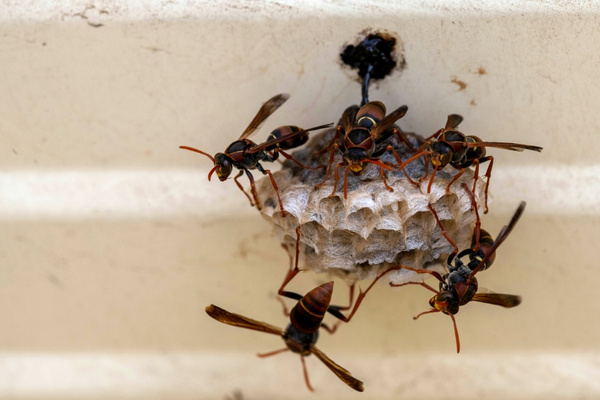
European Paper Wasps around nest

Signs of wasps

Look for these signs of a wasp infestation to determine if you are dealing with wasps:

  • Increased insect activity around roof eaves, gutters, and outdoor structural beams.
  • Chewed wood on fences, decks, or unpainted siding, which wasps harvest for building materials.
  • Visible signs of a wasp nest often appear as grey, papery, open-celled structures under overhangs.
  • Aggressive swarming behavior when a specific area of your yard is disturbed.
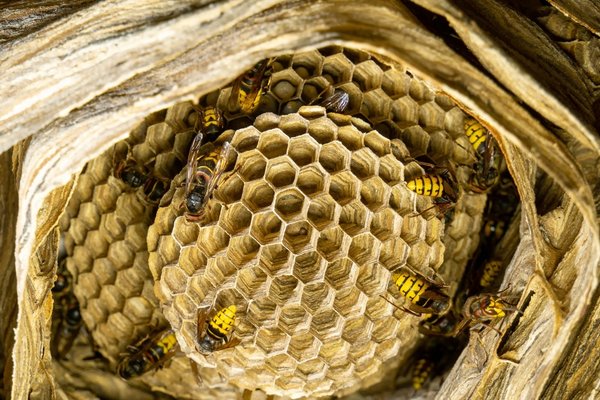
Hornet nest

Signs of hornets

A hornet problem often reveals itself through a few distinct, highly visible clues around your yard:

  • Large, fully enclosed teardrop-shaped paper nests hanging high in trees or tucked securely under eaves.
  • Constant, loud buzzing sounds originating from within wall voids, attics, or thick vegetation.
  • Clear flight paths of large insects moving rapidly back and forth from a central location.
  • Scraped wood surfaces on the exterior of your home, similar to wasp damage.

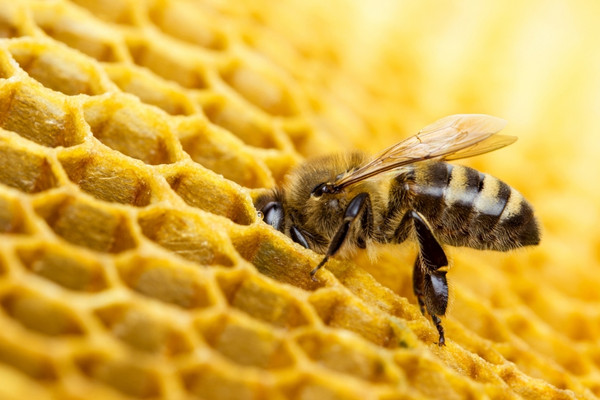
bee in beehive

Signs of bees

Bee activity differs significantly from wasps and hornets, commonly presenting the following unique signs:

  • A large, sudden swarm of fuzzy insects clustering tightly on a tree branch, fence, or exterior wall.
  • Small insects hover low to the ground, especially near exposed soil or nesting holes.
  • Sticky residue or the faint smell of honey near wall voids or structural cracks.
  • A high volume of insects actively foraging on blooming flowers and plants around your yard.

What attracts wasps and hornets to a home

Wasps and hornets look for properties that provide easy access to food, water, and shelter. These stinging pests are typically drawn to:

  • Food sources: Uncovered garbage, sugary spills, outdoor dining areas, and fallen, overripe fruit.
  • Water sources: Standing water pooling in clogged gutters, birdbaths, or pet bowls.
  • Nesting sites: Undisturbed areas like roof eaves, wall voids, beneath decks, storage sheds, and thick tree branches.

How to prevent wasp and hornet infestations

Proactive exterior maintenance is critical for preventing wasp and hornet nests from developing on your property.

  1. Start by sealing cracks and crevices around your home’s siding, paying close attention to areas where utility lines enter the building.
  2. Keep all outdoor trash receptacles tightly sealed and clean up food spills or dropped fruit immediately.
  3. Maintain your landscaping by trimming back overgrown bushes and trees that offer shaded hiding spots.

While DIY stinging pest control traps or sprays can offer limited deterrence, consistent property maintenance combined with professional inspections provides the strongest defense.

Identifying stinging pests

Correctly identifying the pest is essential because behavior, threat levels, and treatment methods vary significantly among species. Understanding the difference between wasps and hornets, as well as bees, helps determine the proper response.

How to identify wasp and hornet nests

While both wasps and hornets chew wood fibers to create papery nests, the architecture differs heavily. Here are the signs of a wasp nest and a hornet nest:

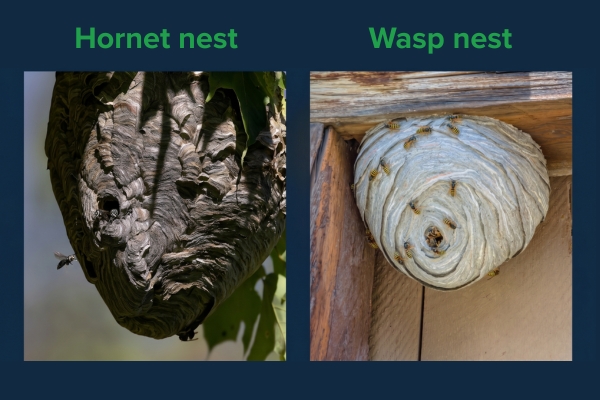
hornet nest vs wasp nest

Wasp nests are often open and umbrella-shaped, leaving the hexagonal cells exposed to the air. You will usually find these tucked under eaves, behind exterior window shutters, or inside outdoor light fixtures.

Hornet nests are fully enclosed, resembling a large, grayish-brown teardrop or football with a single entrance hole near the bottom. These are frequently suspended high up in tree branches or firmly attached to the side of a building.

What to do if you have a stinging pest infestation

If you suspect an active hornet or wasp infestation, immediate action is necessary to protect yourself and your property. Follow these safety guidelines:

  • Keep your distance: If you observe high stinging insect activity, stay away. Do not disturb the nest, as sudden movements or loud noises can trigger defensive swarms.
  • Wear protective clothing: If you must navigate near an active area, cover exposed skin. Wear long sleeves, pants, closed-toe shoes, and thick gloves.
  • Hire a professional: Attempting to remove a nest yourself is dangerous. Wasps and hornets aggressively defend their colonies. Instead, schedule professional wasp and hornet removal for proper eradication.

Terminix is equipped to resolve severe stinging pest problems. Our highly trained technicians know the signs of wasps, hornets, and bees and use targeted treatments to neutralize the threat. While stinging pest control costs vary based on the size and location of the nest, investing in professional removal helps prevent the situation from escalating and protects you from getting stung.