

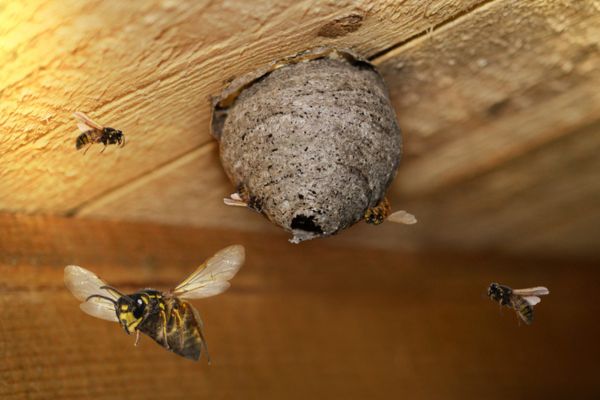
When are wasps and hornets most active?
As the weather warms up and we spend more time outdoors, it's important to be aware of the insects that share our space during hornet and wasp season. Hornets and wasps are a common sight during the warmer months, and while they play an important role in the ecosystem, they can also be a nuisance and even a danger to humans. Their nests can cause costly damage to your home, and their painful stings can result in a visit to the doctor – especially if you are allergic. Understanding their behavior and habits can help us coexist with these stinging insects and avoid any unpleasant encounters when wasps and hornets are most active.
When do wasps and hornets come out?
Wasps and hornets come out in the springtime when the weather starts to get warmer. When wasps come out, they are usually looking for a place to build their nests and begin a new colony. Once April begins, the queen wasp will emerge and look for a place to lay her eggs. The worker wasps will come out at the end of April or early May and begin to build the hive. They may fly around in search of flowers or other sources of food to feed on.
Hornets and wasps come out when they are able to sense changes in temperature and light levels. Once these conditions reach a certain threshold, they know it's time to emerge from their winter dormancy and begin their activities.
.jpg?rev=4d075284214f4a28983cab596e51d28b&hash=3BA7EF01A3628B6045FF1717CE6F128A)
What months are wasps and hornets most active?
Wasps and hornets are most active during the summer months, typically from June to September. During wasp season, they are often busy building nests, foraging for food, and feeding their larvae. Some species of wasps, like yellow jackets, tend to become more aggressive in late summer and early fall as their food sources decrease. When hornets and wasps come out, they can engage in swarming, mating, and territorial defense – especially if they feel threatened. When wasps are active, it's important to be cautious around these insects and avoid disturbing their nests, as they can become aggressive and can sting multiple times, which can be dangerous for those with allergies.
Morning vs. night activities
Wasps and hornets are generally more active during the day. Wasps and hornets are most active in the morning and early afternoon when temperatures are warm but not too hot. During this time, they work on gathering food and building their nests. As the day progresses and temperatures rise, they may become less active and seek shelter from the heat. At night, wasps and hornets tend to be less active and may retreat to their nests to rest.
.jpg?rev=9f0ae311a2234bfdac22db9f424bc591&hash=08348D248C0D655BF3052E4370ED0DEA)
Do wasps and hornets hibernate?
Both wasps and hornets hibernate during the winter. In order to survive the colder months, when wasps are active, they store food and seek shelter until temperatures rise again. Each species of stinging pest has its own unique way of surviving the winter. Hornets and wasps seek shelter in protected areas such as tree trunks or underground burrows. They slow down their metabolism to conserve energy and reduce their body temperature to match the surrounding environment. During this time, the hornets and wasps remain dormant and do not feed or move around much.
The exact timing of their departure varies depending on the species and location. Generally speaking, hornets and wasps tend to become less active in the fall when the temperature drops and will not be seen as much during the winter months. The wasp season typically ends in late fall or early winter.
.jpg?rev=b9fc0ea10fb24748ae1b71180ed04275&hash=955371636B3087AB7343D99BD4D4AC5F)
Time to call professionals
When wasps come out, it's best to leave stinging insect control to the experts at Terminix. Our skilled technicians are equipped with the proper tools and techniques to help rid your home of these unwanted intruders. When wasp season is just around the corner – get started with stinging pest control with Terminix for safe and effective pest control.