What are squirrels? Identifying a squirrel
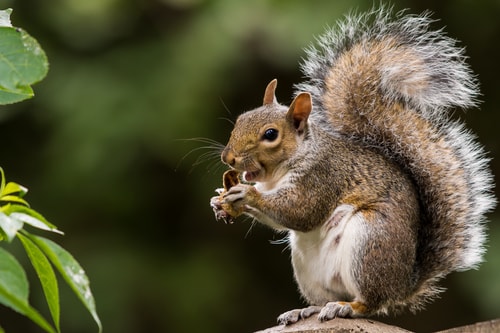
Squirrels are small, bushy-tailed rodents found in many parts of the world. They are classified under the family Sciuridae, which includes chipmunks and marmots. Squirrels are known for their agility and their ability to climb trees. While they can be charming and entertaining to watch, they can also become pests when they invade homes or damage property.
Identifying a squirrels
These nimble animals can be easily recognized by their bushy tails and slender bodies. Their fur can range from a soft gray to rich brown, and some species may have different patterns or hues. They can communicate through chirps and tail flicks. You can distinguish them from chipmunks by looking at the chipmunk's distinct stripes that run from their head to their tail, which squirrels do not have. Chipmunks are also usually a lot smaller than squirrels.

Types of squirrels
In the US, there are many different squirrel species, each suited to different habitats and ways of life. Some of the most common ones include:
- Tree squirrel
- Flying squirrel
- Fox squirrel
- Black squirrel
- Ground squirrel
- Red squirrel
Squirrels habitats
In the United States, these agile creatures live in a wide range of habitats, from lush forests to urban parks. They prefer areas with plenty of food and moderate climates. Their nesting habits are quite versatile, with many constructing leafy nests in tree branches while others burrow into the ground, creating intricate networks of tunnels for shelter and storage.
What do squirrels eat?
Squirrels are resourceful eaters with varied diets that change depending on their surroundings, whether in natural or urban habitats. In the wild, they mainly eat nuts, seeds, buds, and flowers, with a preference for acorns and walnuts. They also enjoy fruits, fungi, and occasionally, insects and small animals. When near human homes, their diet may include birdseed from feeders, leftovers, and even pet food. They have a strong sense of smell and memory, which helps them find food they've hidden when there isn't much food around.

Signs of squirrels in your home
Discovering any pest in your home can be unsettling, especially when you hear strange noises or find unexpected damage. Here are some signs that squirrels may be in your attic or other parts of your house:
- Noises such as scratching, scurrying, or chewing sounds coming from the ceiling or walls, especially during the day
- Visible damage to the exterior of your home, like chewed woodwork, holes, or torn insulation
- Droppings or urine stains in your attic, which may look similar to rat droppings but are larger
- A strong, unpleasant smell from urine can permeate through the attic and into your living spaces
- Nesting materials scattered around your attic, such as shredded insulation, leaves, and twigs
- Stolen birdseed from outdoor feeders or pet food that mysteriously disappears
Can squirrels be dangerous?
While generally not aggressive, you should still never pet a wild squirrel. These creatures can bite if they feel threatened or cornered, potentially transmitting diseases such as rabies or tularemia to humans. The damage they cause can range from gnawing on electrical wires, which poses a fire hazard, to compromising structural integrity by burrowing into insulation. In forest ecosystems, these creatures play a crucial role by dispersing seeds, which aids in tree regeneration. Their habit of burying nuts helps ensure a diverse spread of tree species and also contributes to forest growth.
Squirrel prevention and removal
Getting rid of squirrels can be a nuisance for homeowners, and while DIY methods like mothballs, ultrasonic devices, or homemade repellents offer temporary relief, they often fall short of providing a lasting solution.
This is where Terminix Wildlife Exclusion Services1comes into play. Our expert team conducts thorough inspections to devise a tailored plan that not only humanely removes squirrels2 but also prevents future invasions through professional-grade exclusion techniques. As part of our lineup of exclusion materials, our family of brands is proud to be the exclusive North American provider of Flexi ArmourTM products. Schedule an inspection to get started today!
1Coverage generally includes commensal rodents (house mice, Norway rats, roof rats), tree squirrels, flying squirrels, raccoons, opossums, pigeons, starlings, sparrows, armadillos, and skunks. Covered pests vary between Rodent & Wildlife Exclusion service plans. See Plan for details.
2Trapping and removal of covered wildlife during the initial service is not included within all Rodent & Wildlife Exclusion plans. Additional trapping services may be required. See Plan for details.