
Yellow Sac Spider
(Cheiracanthium Inclusum)
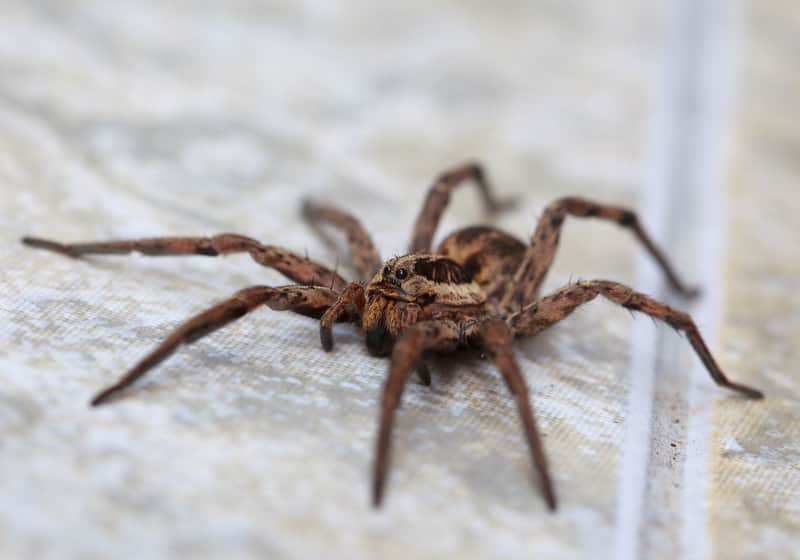
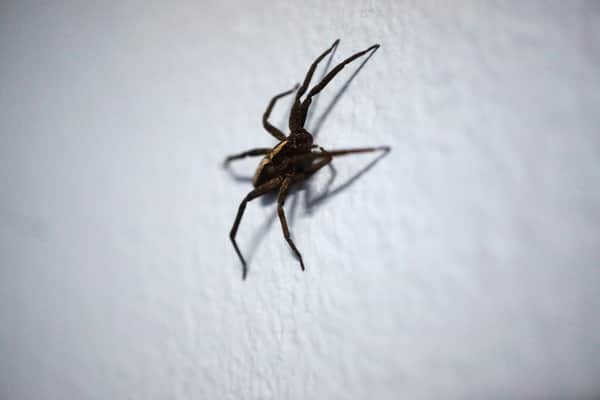
Yellow sac spiders are small and typically pale yellow or light greenish-yellow, with a slightly shiny appearance. They are common spiders, but due to their light color, they can blend with their surroundings, making them tricky to spot.
These spiders create small silk sacs or retreats, often tucked away in corners or hidden spots. These sacs are used for shelter and to lay their eggs. Unlike most spider species, the yellow sac spider does not create webs. If you notice spiders inside or outside your home, Terminix’s spider control solutions can help remove them and prevent them from returning.

Identification of yellow sac spiders
Yellow sac spiders can be found in various environments, including gardens, under rocks, inside homes, and other undisturbed areas. They create small, silk-lined sacs or shelters in corners, crevices, or beneath objects. Other characteristics of these spiders include:
- Color: Yellow sac spiders are typically pale yellow or cream-colored, though they can sometimes appear white or light brown. The tips of their legs are dark brown.
- Size: They are relatively small spiders, about a quarter of an inch to ⅜ of an inch long.
- Body structure: They have long, slender legs, and the front pair are longer than the others. Their legs are covered with thin black hairs.
- Danger: Yellow sac spiders can bite humans if they feel threatened but primarily use their venom to subdue prey. Their venom can cause significant irritation, including redness, pain, and swelling at the bite site. In severe cases, it can lead to necrotic lesions or ulcers.

Behavior and diet
Yellow sac spiders are primarily nocturnal hunters. They usually hide in their silk-lined sac or shelter during the day and venture out at night to hunt. They are known for their ambush hunting style. Yellow sac spiders do not spin webs to catch prey. When they encounter prey, they strike quickly and use their venom to paralyze insects, making it easier for them to consume it.
Yellow sac spiders primarily feed on insects, including ants, flies, beetles, and other small arthropods. They may also consume other small invertebrates they encounter. In some cases, they engage in cannibalism and prey on other spiders, especially if food is scarce.
Life cycle
Yellow sac spiders have three life stages: egg, spiderling, and adult.
- Egg: The life cycle begins when the female spider lays eggs, typically in the fall. The number of eggs laid can vary, but it usually ranges from 30 to 48.
- Spiderling: The spiderlings hatch from the eggs after two to three weeks. They go through several molting stages to accommodate their growing bodies. The spiderlings resemble small adults, but they cannot reproduce yet.
- Adult: Once mature, yellow sac spiders typically live for about one year. Mature males usually die shortly after mating, while females live long enough to lay one or two egg sacs before they die. The cycle then repeats, with the next generation of spiderlings hatching.

Yellow sac spider bites
If a yellow sac spider bites you, seek medical attention promptly to manage symptoms and receive appropriate care.
If you have been bitten, you could experience some of the following symptoms:
- Initial bite reaction: A yellow sac spider bite may feel like a sharp pinprick, though some people may not notice the bite immediately.
- Pain and redness: Shortly after the bite, you might feel pain at the site, often described as a burning sensation. The area around the bite usually becomes red and swollen.
- Blister or rash: A small blister or rash may form at the bite site within a few hours. This blister can burst, leading to an open sore.
- Systemic symptoms: While rare, some people may experience symptoms beyond the bite site, such as headache, nausea, or fever.
Preventing yellow sac spiders in your home
To prevent yellow sac spiders from entering your home, consider the following steps:
- Inspect your home for cracks, gaps, and openings around windows, doors, and foundations, and seal potential entry points.
- Trim back trees, bushes, and other vegetation close to your home’s exterior. Spiders often use these as bridges to enter homes.
- Vacuum and dust regularly, especially in corners, under furniture, and areas where spiders might build webs or hide.
- Yellow sac spiders feed on insects, so reducing the presence of other bugs inside your home can help deter them.
- Contact a pest control professional for spider control services.
Terminix’s ongoing pest control plan, PestFree365, helps protect you and your family from many common household pests, including spiders. Our PestFree3652 plan provides protection from 25 household pests, and our PestFree365+ plan protects you from 14 additional pests, including the brown recluse and black widow spider.3 An interior and exterior inspection can help determine how and where spiders enter your home, and our regularly scheduled treatments can help ensure the spiders don’t return.
1Information provided by CDC
2Coverage includes: "House" Ants, Bird Mites, Indoor Ticks, Cockroaches, Carpet Beetles, Fabric Moths, Overwintering Insects, Ground Beetles, Centipedes, Crickets, Earwigs, Firebrats, Millipedes, Clover Mites, Pillbugs/Sowbugs, Psocids, Scorpions, Silverfish, Paper Wasps, Springtails, Spiders, Stored Product Beetles, Stored Product Moths, Mice, and Rats.
3Coverage includes: Black Widow Spiders, Brown Recluse Spiders, Voles (interior only), Bed Bugs, Fleas (interior only), Bumble Bees, Carpenter Bees, Solitary Ground Bees, Yellowjackets, Hornets, Baldfaced Hornets, Crazy Ants, Carpenter Ants, and Fire Ants.