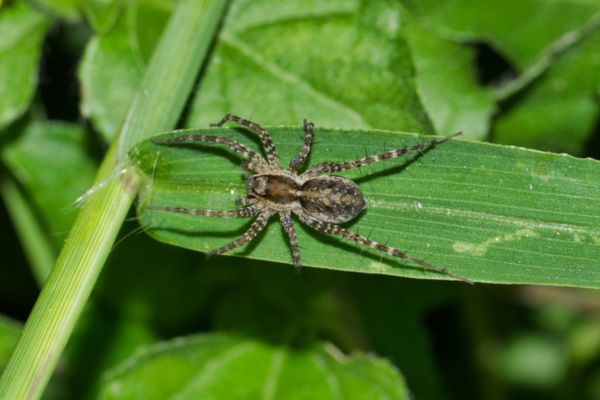
What are wolf spiders
Of the over 50,000 spider species across the globe, wolf spiders are some of the most recognizable arachnids. Unlike the spiders that spin webs to catch their prey, wolf spiders are hunters, roaming the ground at night in search of their next meal. They belong to the family Lycosidae, a name that derives from the Ancient Greek word for wolf. Known for their unique hunting techniques and eight large eyes, these spiders have a keen sense of sight and speed, making them formidable predators in the insect world.
If you happen to find these predators in your home – their presence might not be as sinister as you think. Often, wolf spiders wander indoors in search of prey or shelter, especially during colder months. So, before you panic at the sight of one, learn everything you need to know about wolf spiders and when you should call for spider control.

What do wolf spiders look like?
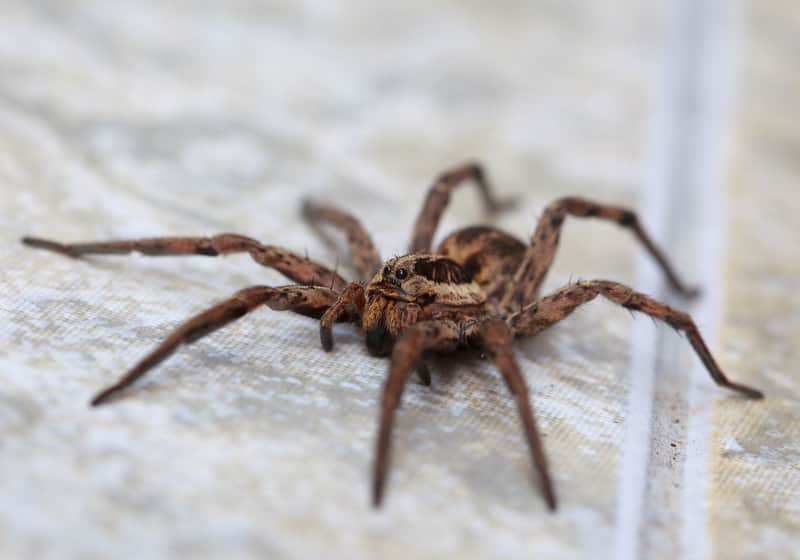
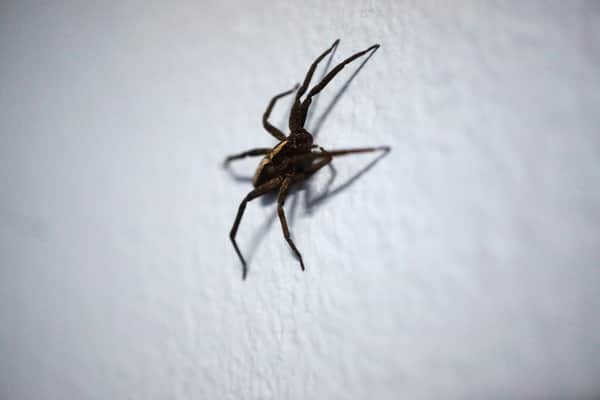
Wolf spiders have a variety of physical characteristics that set them apart. In terms of size, some species are relatively small, while others grow quite large, with some reaching over an inch in body length. The color of a wolf spider helps them blend in with their natural environment, showcasing hues of brown, grey, black, and sometimes even a greenish tint, which aids in their camouflage abilities. Their most recognizable characteristic, eight large eyes, are arranged in three rows; the middle row consists of two particularly large eyes that capture more light, enhancing their vision in low light conditions. Additionally, wolf spiders have robust and hairy bodies.

Where do wolf spiders live?
Wolf spiders live in several environments, including forests, gardens, grasslands, marshes, and even in mountainous regions. Their adaptability allows them to easily thrive in habitats with both warm and cold climates. Unlike many other spiders that reside in silk-lined retreats or webs, the wolf spider digs burrows or uses natural holes and leaf litter to build its home. These burrows serve as a hideout, a hunting ground, and a safe place for their offspring. In regions where digging is not possible due to hard or rocky soil, wolf spiders will still seek out similar natural shelters that provide camouflage and protection.
Wolf spider life cycle
The life cycle of a wolf spider initially begins with the female laying eggs, which she carries in a silk sac attached to her spinnerets. This behavior is unique compared to the more common practice among spiders who prefer to leave their eggs in the web. Once the spiderlings hatch, they climb onto their mother's back, where they remain until they reach maturity. In terms of life span, wolf spiders can live several years, a relatively long life compared to many other spiders that may only live for a season.

Are wolf spiders dangerous?
Wolf spiders are venomous, which is a common trait amongst spiders used to immobilize their prey. However, their venom is not particularly harmful to humans. Wolf spiders will bite if they feel threatened or provoked, but this is a rare occurrence, as they are more likely to flee from humans. The bite of a wolf spider can result in symptoms that are similar to a bee sting, such as redness, swelling, and mild pain at the site of the bite. Severe reactions are rare, but it is important to consult a medical professional if bitten.
How to prevent wolf spiders in your home
Although wolf spiders are relatively harmless, that doesn't mean they need to be in your home. To prevent these spiders from entering, it's important to eliminate the environments that attract them and their prey. This includes sealing cracks and crevices in the foundation and exterior walls, installing tight-fitting screens on windows and doors, and ensuring gaps around doors and windows are properly sealed. Removing clutter and debris near your home can also discourage wolf spiders by eliminating their hiding spots and reducing the insects they prey on.
If you spot wolf spiders lurking in and around your home, it’s time to call in the spider control experts at Terminix. With our PestFree365 plans, you can help make sure your home is protected from spiders.1
1 Service frequency will vary based on geography. Covered Pests defined in your Plan. Automatic payment sign up is required for PestFree365+. Voles and fire ants are only covered if they are in the home, we will not treat the lawn. Homes must be free of bed bugs at the initial service to qualify for coverage of bed bugs under the PestFree365+ Plan. Applies to single family, free-standing, owner-occupied homes only. Account must be in good standing. Other limitations may apply. See Plan for details.