What to know about spiny-backed orb weavers
(Gasteracantha Spp.)
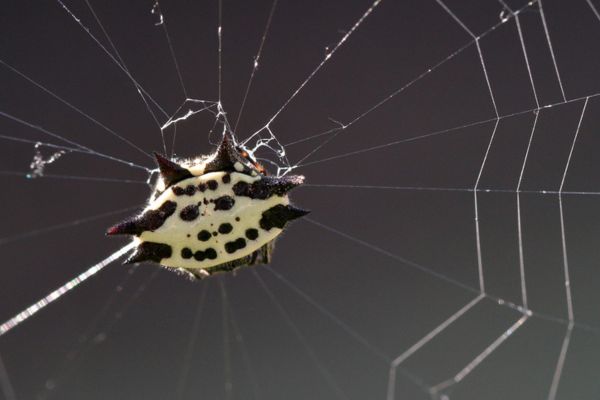
Of the over 50,000 species of spiders, spiny-backed orb weavers are one of the most unique. Known for their distinctive spines and vibrant colors, these arachnids can be found in warm climates, particularly in states like Florida and California. With their presence spanning across the southeast and west coast, they are not only a common sight but also an integral part of the local ecosystem.
Here’s everything you need to know about spiny orb weavers and what to do if you find one of these fascinating creatures in your backyard.
What do spiny-backed orb weavers look like?
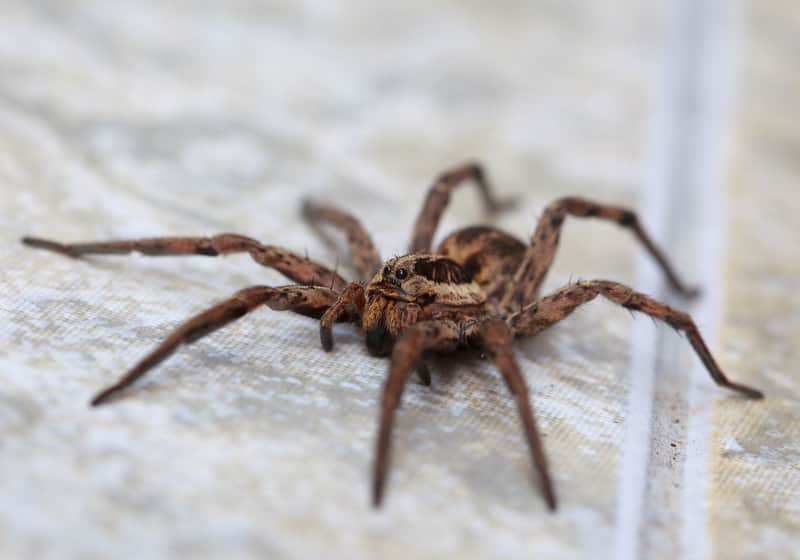
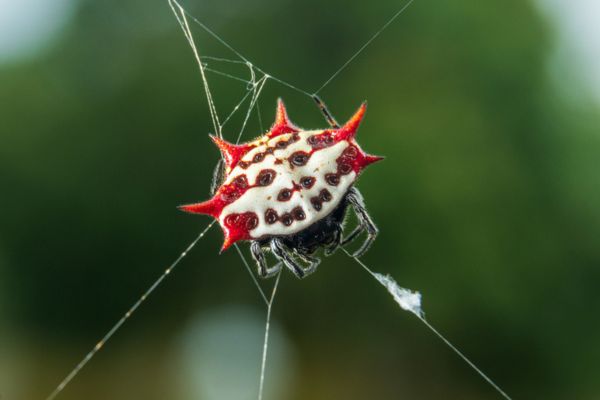
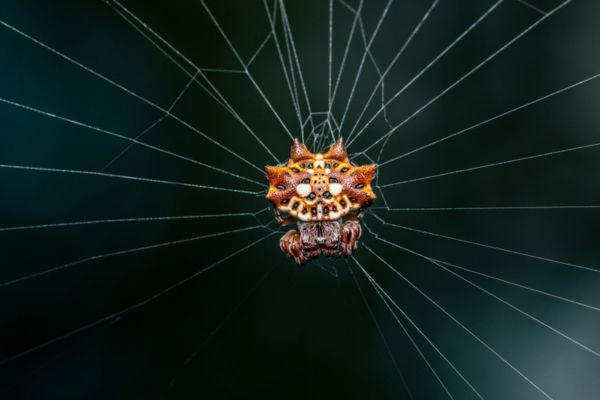
Spiny-backed orb weavers' most unique features are their vibrant patterns and shell-like abdomen. Their broad, flat abdomen is characterized by several pointy spines along the edges, giving them a crab-like shape. This distinctive shape is partly why they're commonly referred to as ‘crab spiders,’ though that term belongs to an entirely different family of spiders.
In terms of size, both male and female spiny orb weavers are relatively small, with the body length of females typically ranging from five millimeters to 10 millimeters. Males are even smaller, usually less than half the size of females, and they noticeably lack the pronounced spiny abdomen.
The spiny orb weaver spider can be found in a variety of colors, like white, yellow, red, and black.
Habitat and hunting behaviors
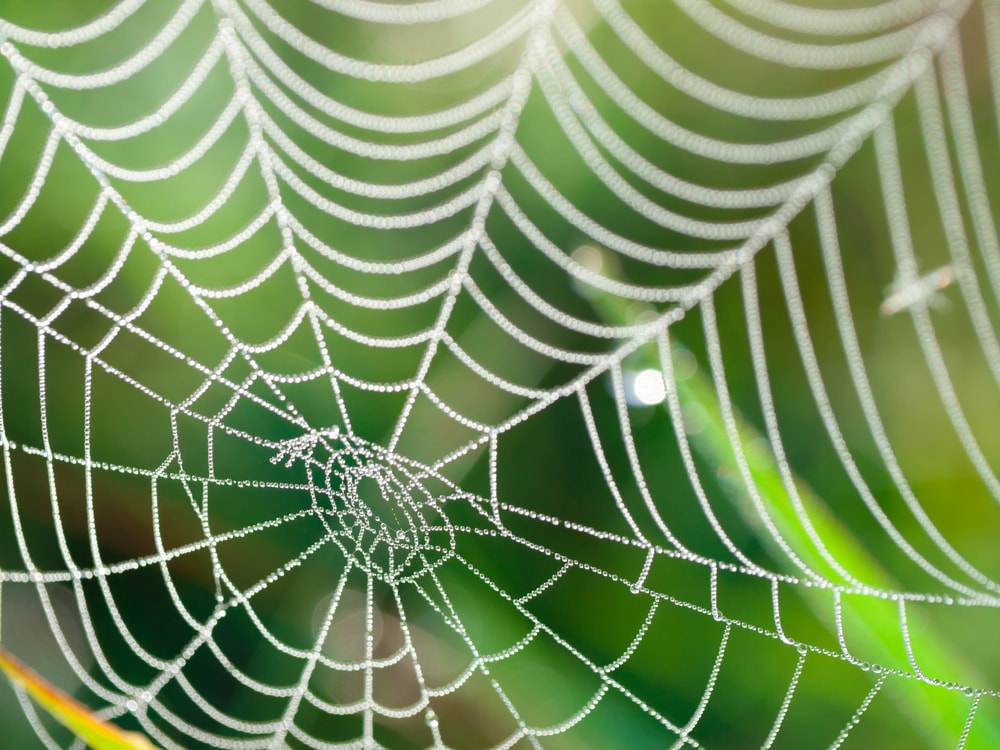
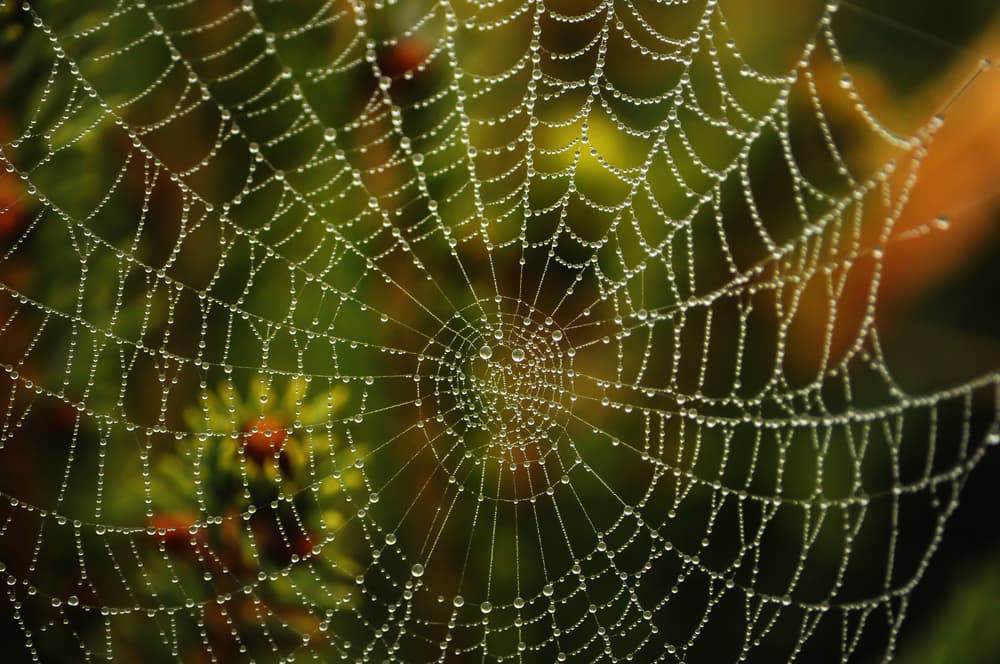
Spiny-backed orb weavers prefer habitats that include gardens, forests, and wooded areas, where they can anchor their webs between branches and plants. Their intricate webs are used to capture prey, feasting on small insects that become ensnared in their webs.
Spiny orb weaver spiders tend to display increased activity in the fall, a period that corresponds with the lifecycle of many of their prey species. The lifespan of spiny orb weavers is about one year.
Are spiny orb weavers dangerous?
Although these spiders do have venom, they only use it to subdue their prey. Spiny orb weaver spiders are not considered dangerous to humans, and most are not aggressive towards humans. They typically only bite if they feel threatened. Even then, their bites are usually not severe, often resulting in symptoms similar to a bee sting.
Beyond their interactions with humans, spiny orb weavers play a beneficial role in controlling pest populations. They are particularly valuable in gardens and citrus groves, where they help to naturally manage populations of harmful insects, helping maintain a healthy, balanced ecosystem.
What to do if you see a spiny orb weaver spider
If you spot a spiny orb weaver spider in your backyard or garden – don’t be alarmed. These spiders are beneficial to the ecosystem and consume a variety of insects, even some common household pests. However, it’s important to keep your living space clean and seal any cracks or openings to help prevent an infestation.
If your home has become a haven for spider species, it’s time to call in the spider control experts at Terminix. With one of our PestFree365 plans, you can get protection from up to 39 common household pests, including spiders.1
1To see our Covered Pests, visit Terminix.com/pest-control/pestfree365