

What noises do spiders make?
Although spiders are often feared, these creatures offer more than meets the eye—or, in this case, the ear. The significance of sound in spider communication and survival unveils a layer of their behavior that is crucial for their mating rituals and hunting strategies. So, do spiders make noise? And what sounds do spiders make, if any?
The types of spider sounds
Spiders, despite lacking vocal cords, have evolved several methods for producing spider sounds. Their primary mode of communication uses vibrations - a sophisticated system that involves sending and sensing signals through their webs or the ground. This form of communication is crucial for mating rituals and territory defense. In addition, spiders can generate sound through different parts of their bodies. Some species can create a hissing or chirping sound by rubbing together bodily parts, a mechanism known as stridulation. This action is often used to deter predators or attract mates. The sounds spiders make can vary among species, with each species having its own unique sound that serves specific purposes.
Hear a spider sound by clicking here.

Web vibrations
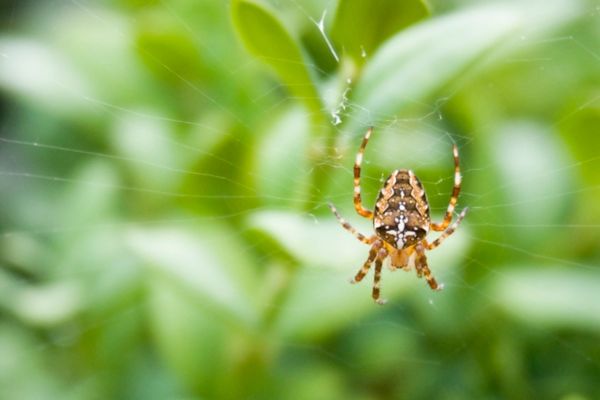
Through the delicate strands of their webs, spiders can send and receive information by creating and sensing vibrations. This method of spider sounds allows them to detect prey that has been caught in their web, communicate with potential mates, and even sense danger from predators. The intricate design of a spider's web is not only for trapping food but also serves as an extension of their sensory system, allowing them to interact with their environment and other spiders.
Understanding spider communication
Spider communication primarily revolves around the sounds they produce, serving various functions that are crucial to their survival. These spider sounds play a pivotal role in mating rituals, where they are used as calls to attract potential partners and to establish dominance or claim territory during confrontations with other spiders. Spiders also make noise to use as an alert system to warn off predators.
The diversity among spider species is mirrored in the sounds they produce, which can vary significantly. Some species use their bodies or surroundings, such as tapping on leaves or vibrating web strands, to generate spider sounds. Wolf spiders, for example, are known for their unique communication methods, using a combination of visual signals and vibrations in their mating rituals.

The impact of spider sounds
The sounds produced by spiders, whether through their movements, web interactions, or even communication, have significant ecological impacts. Researchers have developed intricate methods for capturing and analyzing these subtle noises, giving us insights into the secret lives of spiders. This allows us to not only understand spider behavior but also their crucial role in our ecosystems.
Dealing with spiders in your home? Contact the Terminix spider control experts. With our PestFree365 or PestFree365+ plan, you can help stay protected from these pesky insects.1
1 Covered Pests defined in your Plan. Autopay is required. Voles and fire ants are only covered if they are in the home; we will not treat the lawn. Home must be free of bed bugs during initial service to qualify for bed bug coverage under PestFree365+ Plan. Single-family, free-standing, owner occupied homes only. Other limitations apply. See Plan for details.