Spiders
How long do spiders live?
How long do spiders live? This answer can vary depending on the type of spider. There are more than 40,000 different spider species, many of which have very different breeding habits. But despite their differences, there are a few aspects of the spider life cycle that all spiders share.
Generally, spiders can live from a few months to several years, with some species reaching up to 20 years in captivity. Effective spider control is important to help manage infestations, prevent bites, and reduce the risk of other pests that spiders could attract or feed on.
What Is the Spider Life Cycle?
A spider has three life stages: egg, spiderling, and adult.
1. Egg:
Spiders begin their lives in egg sacs. The amount of eggs per sac depends on the type of spider, ranging from one egg to thousands of eggs. Female spiders defend these eggs in different ways. Some hide in a safe location, while others leave the eggs to fate.

2. Spiderling:
Spiderlings typically hatch in two to three weeks and look like tiny versions of adult spiders. During this stage, they undergo several molts, which can last from a few weeks to several months. The spiderlings disperse by walking away or ballooning. When spiders balloon, they release silk strands that form a triangular-shaped pouch, known as a "kite," which lifts them into the air and helps transport them to new locations.

3. Adult:
Spiders are now capable of reproducing. To reproduce, a male spider spins a special web to catch his sperm and transfers it to his pedipalps, a second pair of appendages that function as sensory organs. He then searches for a female of the same species that is ready to mate. A spider’s lifespan varies widely by species, with some living for a few months and others for several years.

How Long Do Spiders Live?
The spider lifespan can vary as much as the spider life cycle. Most spiders live about two years, but some have been known to live up to 20 years in captivity. Female spiders tend to live longer than male spiders. Many male spiders reach maturity within two years and die after mating. This is mainly because female spiders eat them; however, there are some species of male spiders that die an obligatory death from the mating process alone.
Environmental conditions, food availability, and predators also play significant roles in a spider's life expectancy.
How Long Do Common House Spiders Live?
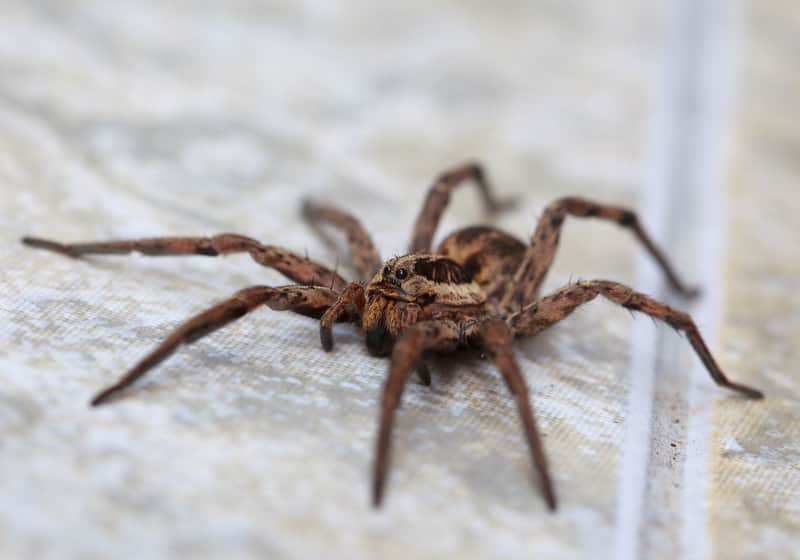
How long do spiders live in your home? The average lifespan of a house spider is about one to two years. Like other spiders, its life expectancy is influenced by environmental conditions, food availability, and predators. It varies by location, but common spiders you can have in your home include the house spider, cellar spider, wolf spider, and sac spider.

Spiders are one of the 25 pests covered with Terminix’s ongoing pest control plan, PestFree365.1 With regularly scheduled pest treatments, we can help prevent spiders from entering or returning to your residence. Our PestFree365 plan helps protect you from common household spiders, and our PestFree365+ plan includes coverage against spiders that require specialized treatments, like the black widow and brown recluse spider.2Schedule your inspection today!
1 Coverage includes: "House" Ants, Bird Mites, Indoor Ticks, Cockroaches, Carpet Beetles, Fabric Moths, Overwintering Insects, Ground Beetles, Centipedes, Crickets, Earwigs, Firebrats, Millipedes, Clover Mites, Pillbugs/Sowbugs, Psocids, Scorpions, Silverfish, Paper Wasps, Springtails, Spiders, Stored Product Beetles, Stored Product Moths, Mice, and Rats.
2 Coverage includes: All pests covered under PestFree365 + Black Widow Spiders, Brown Recluse Spiders, Voles (interior only), Bed Bugs, Fleas (interior only), Bumble Bees, Carpenter Bees, Solitary Ground Bees, Yellowjackets, Hornets, Baldfaced Hornets, Crazy Ants, Carpenter Ants, and Fire Ants.