Spiders
What to expect during a tarantula migration
Every year, vast groups of eight-legged spiders make their way across the Southwest in the annual tarantula migration. This unique event occurs during the tarantula mating season when cooler weather triggers male tarantulas to start to look for a mate. Although groups of large, hairy arachnids making their way across the state lines can be alarming, this event brings many spectators. So, when exactly does this migration take place? And what can you expect to witness during this intriguing time? Hear from our associate certified entomologist, Eric Sebring, as we break down everything you need to know about this event.
What states experience a tarantula migration?
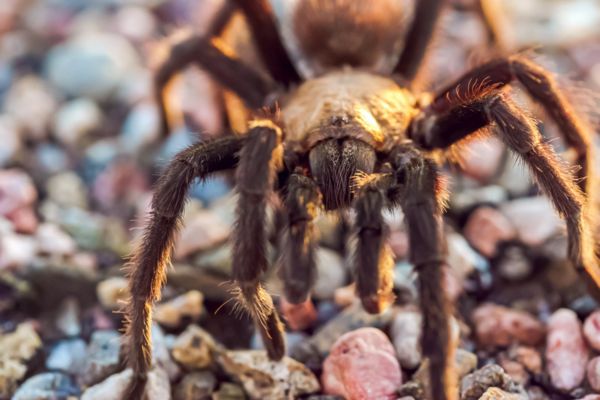
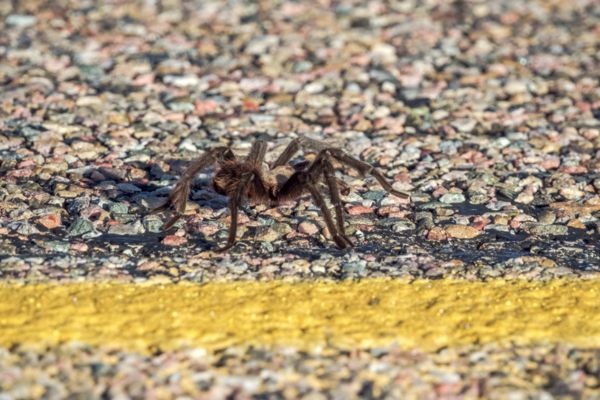
Migrating tarantulas typically travel across the southwestern United States. Tarantulas prefer to live in dry, warm environments such as deserts, grasslands, and scrublands. States like Texas, Colorado, Nevada, California, and Arizona are the most common places to spot these arachnids. Starting in early September through late October and early November, male tarantulas leave their underground burrows in search of mates, which leads to noticeable increases in tarantula sightings. In fact, Sebring states that in some cases, the number of Tarantulas can outnumber the human population of an area.
Common tarantula species and their mating behavior
The Brown tarantula is the most common species that takes part in the tarantula migration. During tarantula mating season, males wander across their habitat in search of a mate. They may even travel up to 20 miles until they find a suitable mate. According to Sebring, once they find a female to mate with, male tarantulas rub their abdomens against hers, which helps to relax the female's fangs. However, the aftermath of mating can be perilous for the male, as females may attempt to eat them afterward. If the male manages to escape this fate, he typically dies within a couple of months.
Is it safe to view the tarantula migrations?
The tarantula migration can be a fascinating experience, attracting many tourists to watch as they make their journey. While tarantulas are generally not dangerous to humans, it’s important to keep your distance and avoid disturbing them. A tarantula bite can be painful, comparable to a bee sting, but it is rarely dangerous to humans unless there is an allergy involved.
Next September, celebrate the tarantula migration at one of the many festivals in La Junta or simply watch Texas tarantulas make their way across the plains. Enjoy the great tarantula migration!