Spiders
What to know about spiders
Although spiders are a common pest for many homeowners, there is actually a lot to learn about these pests that you may not know. Spiders are eight-legged arthropods that belong to the class Arachnida, which also includes scorpions, ticks, and mites. There are over 45,000 identified species of spiders, making them one of the most diverse groups of animals on Earth.1 From the tundra to the hottest deserts, spiders can be found in nearly every habitat on land. Keep reading to learn more facts about spiders!

Spider anatomy and abilities
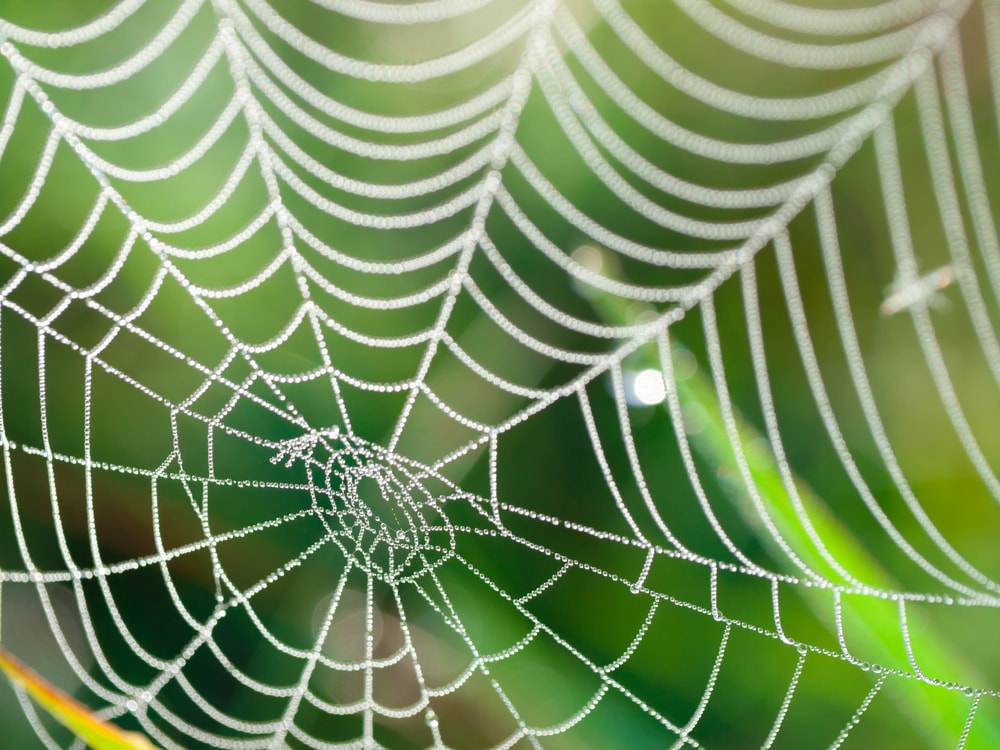
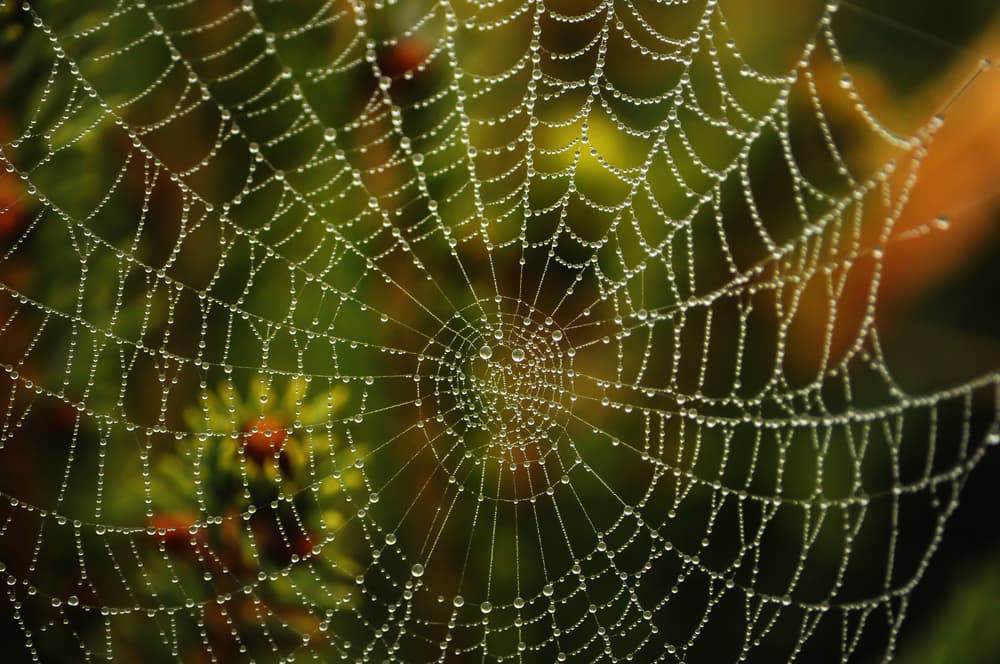
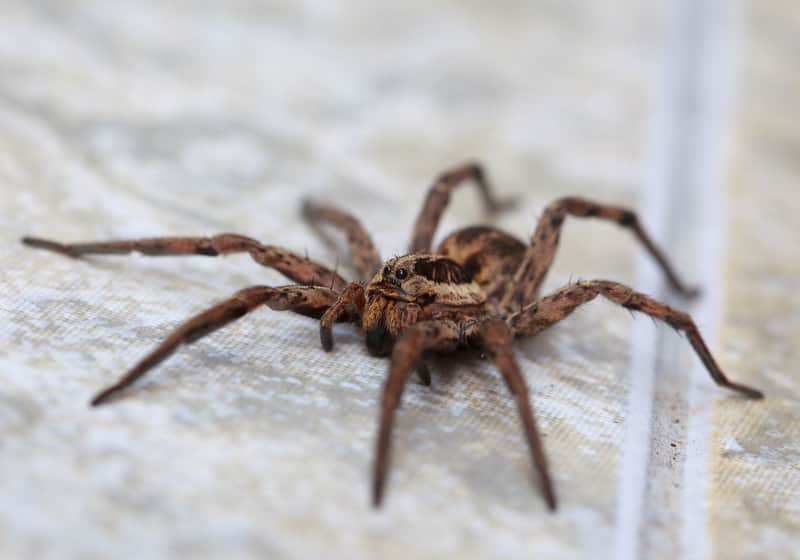
Spiders have a remarkable set of sensory organs that enable them to precisely navigate their environment. Their legs are equipped with tiny hairs sensitive to vibrations, allowing them to detect movement in their web or the air, enabling them to "hear" through their legs. Spiders also have unique tiny slits and hairs that help them find food and talk to each other. Their incredibly strong and versatile silk is used not only for web construction but also for creating shelter and egg sacs and aiding in dispersing their young through ballooning.
Spiders are predators and prey
Spiders are not just skilled hunters but also experts in camouflage, speed, and using their webs to trap prey or signal the presence of danger. By consuming many insects, spiders act as natural pest controllers, contributing significantly to regulating insect populations. Through their intricate web designs catching unsuspecting prey or their venom paralyzing their catch, spiders help ensure a stable environment for numerous species, including humans.
The diet and hunting methods of spiders
Spiders are carnivores with diverse appetites. While most eat insects like flies, mosquitoes, and moths, some larger species may eat worms, snails, and even small vertebrates. A spider’s abilities and hunting tactics can vary by species, too—some trap flying prey in their webs, while others ambush or chase their prey. Surprisingly, some spider species exhibit cannibalistic behaviors, leading to instances where spiders might eat each other under certain conditions.
Spiders are more than a scary pest
As adept predators, spiders efficiently control the population of insects and pests. They also serve as an important food source for various other predators, including birds and small mammals, ensuring a balanced food chain. If spiders were to become extinct, we would likely see a dramatic increase in pest populations, leading to potential crop destruction, the spread of diseases, and an imbalance in natural habitats that could have cascading effects throughout ecosystems.

Controlling spiders in your home
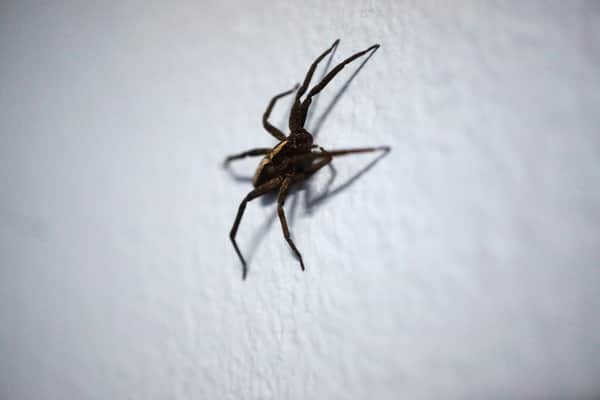
Although not all spiders are dangerous, most of us would prefer to avoid having them as unwelcome visitors in our homes. Their presence, especially in significant numbers, can be problematic and may indicate other underlying pest issues. If you’re struggling with spiders in your home, Terminix is here to help. Get started with our spider control services, or try our Terminix PestFree365+ pest control plan to protect your property from spiders all year.
1Number of species of spiders provided by National Geographic.