

Identifying and getting rid of spider egg sacs
No one wants to find a spider in their home, let alone spider egg sacs. Yet, it's a common occurrence that homeowners around the globe face. Spiders can turn a neglected corner of your house into a nursery for their young, ready to take up residence once they hatch. While the presence of spiders can indicate a healthy ecosystem, controlling their population inside your home becomes crucial to prevent a full-blown infestation. Learn how to identify spider eggs.
Understanding spiders and their egg sacs
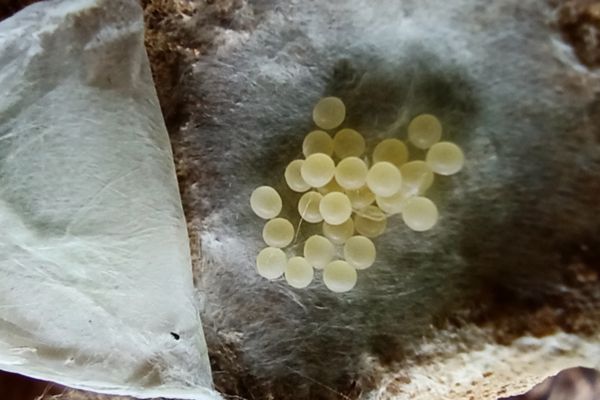
Spider eggs are an important component of the spider life cycle. After mating, the female spider lays her eggs into a silk sac, which she creates to protect them from predators. This spider egg sac can contain dozens to hundreds of eggs, depending on the spider species. The stages of egg development start inside the egg sac, where the eggs transition from simple cells into spiderlings. Once developed, the spiderlings leave the sac, a process that can vary greatly: some spiderlings disperse quickly, while others may stay together near the sac for some time. The time frame from laying to hatching varies among species, ranging from a few weeks to several months. While it may be instinct to destroy any spider eggs you come across, considering that spiders play a beneficial role in controlling insect populations, it might be best to leave them undisturbed.
Where do spiders like to lay their eggs?
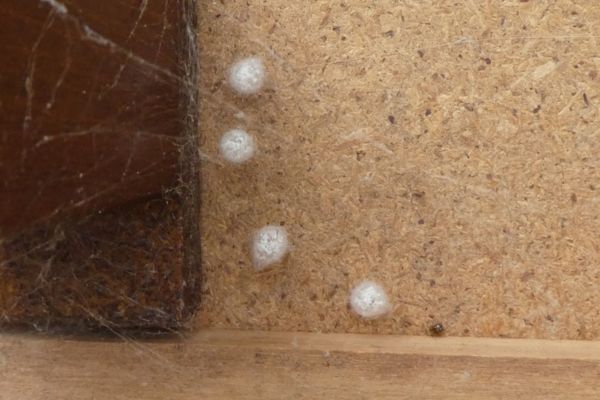
Spiders often choose dark, damp, or secluded areas to lay their eggs. You may find spider eggs on the wall, in corners, or behind furniture. They favor these environments as they offer protection, allowing their offspring to develop safely. Spiders meticulously construct their egg sacs using silk, which not only serves as a protective layer but also as a way to maintain a stable environment for the eggs. This silk cocoon shields the eggs from potential predators and environmental hazards, ensuring the spider's eggs remain protected.
Identifying the types of spider eggs in your house
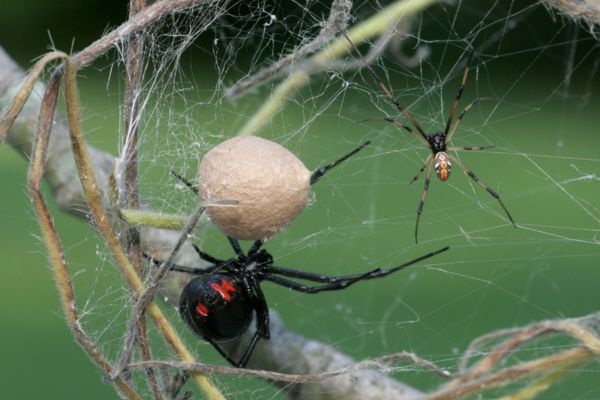
Identifying spider eggs in your house can be tricky. Many characteristics, such as the size and amount of eggs a spider egg sac can hold, vary greatly among species. For instance, a common house spider typically produces smaller, silk-woven sacs that may be found in corners or under furniture. On the other hand, a black widow's egg sac is more robust, often spherical, and has a papery texture. The female wolf spider carries her egg sac attached to her spinnerets, making it easier to identify due to this distinct behavior rather than the sac itself. Meanwhile, the brown recluse spider creates a loose, off-white sac where it can discreetly place its eggs.
What to do if you see spider eggs in your home
Spotting spider eggs in your home can be a concerning discovery – and it's natural to question whether you should destroy them. While it might seem like an immediate solution to prevent more spiders from populating your home, spiders play a crucial role in controlling insects. Sealing cracks, keeping your home clean, and reducing clutter can significantly deter spiders from taking residence in your home, preventing spider eggs from showing up in the first place.
Finding spider egg sacs in your home? Spiders are one of the common household pests covered with our PestFree365 plans.1 Even black widows and brown recluses are covered with PestFree365+.2 Call in the Terminix spider control experts.
1Coverage includes: "House" Ants, Bird Mites, Indoor Ticks, Cockroaches, Carpet Beetles, Fabric Moths, Overwintering Insects, Ground Beetles, Centipedes, Crickets, Earwigs, Firebrats, Millipedes, Clover Mites, Pillbugs/Sowbugs, Psocids, Scorpions, Silverfish, Wasps, Springtails, Spiders, Stored Product Beetles, Stored Product Moths, Mice, and Rats.