Cellar spiders: Daddy long legs
(Family Pholcidae)
Daddy long legs is a common name referring to three different groups of arachnids: harvestmen (Phalangium opilio), cellar spiders (Pholcus phalangioides), and crane flies (Tipula paludosa). Harvestmen have small, rounded bodies and long legs but do not produce silk or venom. Cellar spiders build webs and produce venom, but their venom is harmless to humans. Crane flies, often mistaken for large mosquitoes, are harmless insects found near water sources.
Are you seeing daddy long legs or other spiders around your home? While most spiders are not a threat, their presence can still be unsettling. Our professional spider control services are tailored to your home and specific situation.
What do daddy long legs spiders look like?
Daddy long legs spiders have distinct physical characteristics:
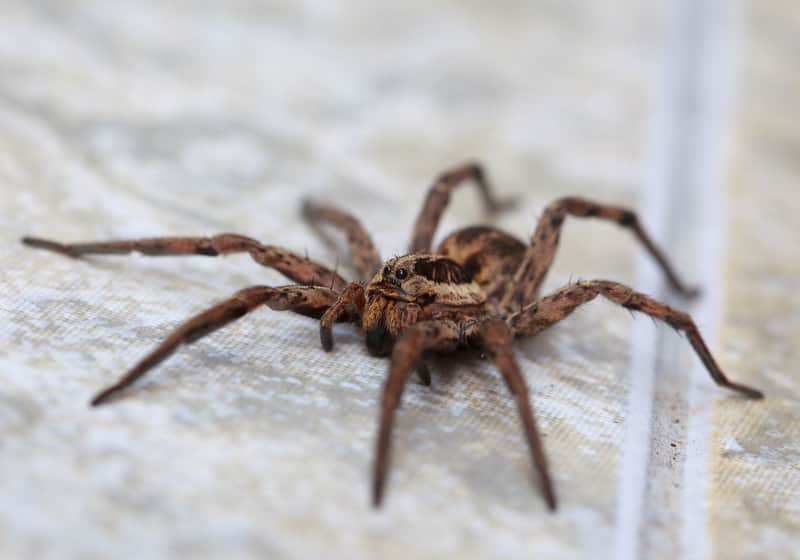
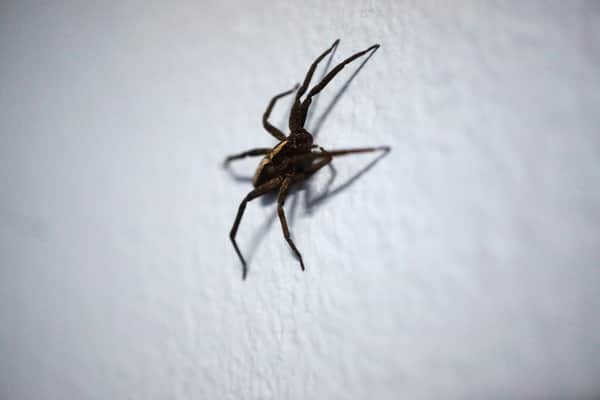
- Body: They have small, slender bodies that are typically light brown, gray, or translucent.
- Legs: Their most noticeable feature is their extremely long, thin legs, which can be one and ¾ to two inches long. The legs of these spiders enhance their mobility, allow them to create large webs, and sense vibrations to locate prey.
- Size: Their bodies are usually around a quarter of an inch to ⅜ an inch long.
- Eyes: They usually have six or eight eyes arranged in two groups on their head.
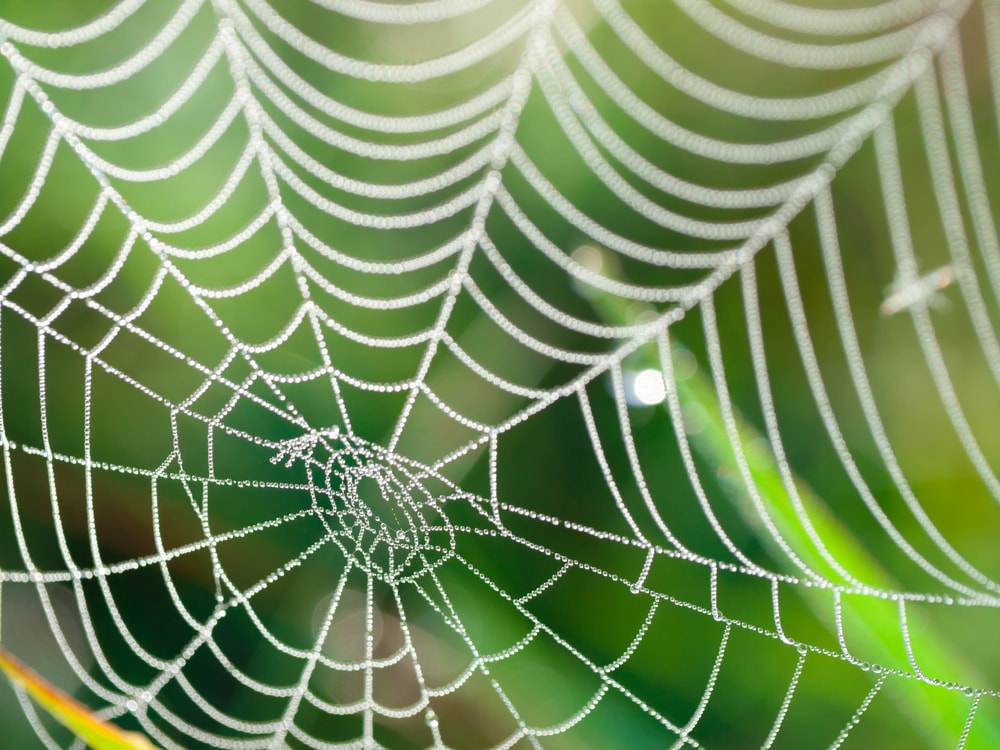
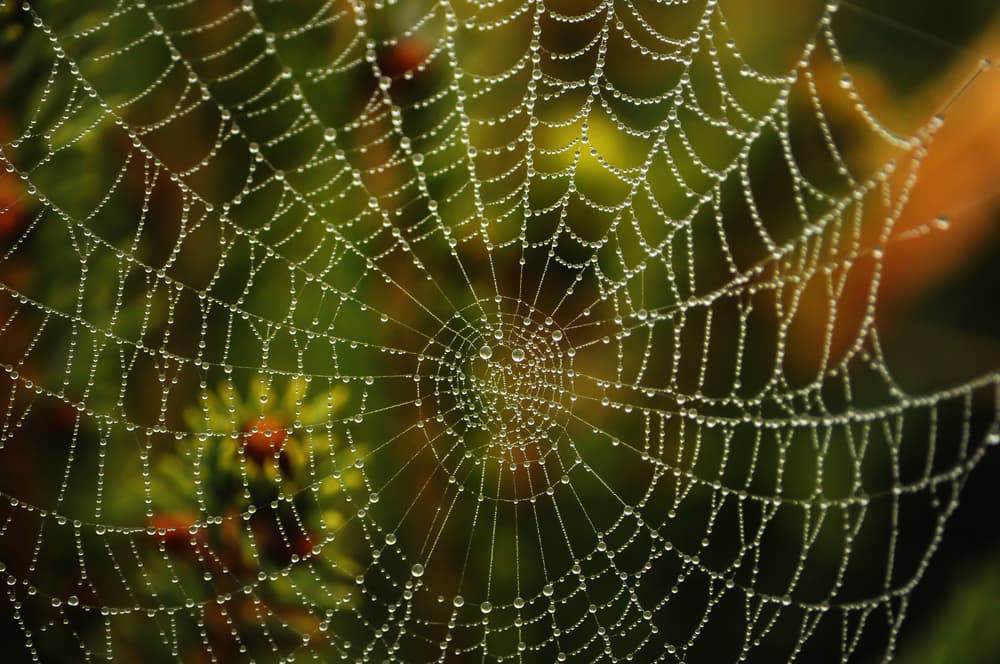
- Webs: They are known for creating irregular, messy webs in dark and damp areas like basements, cellars, and corners of rooms.
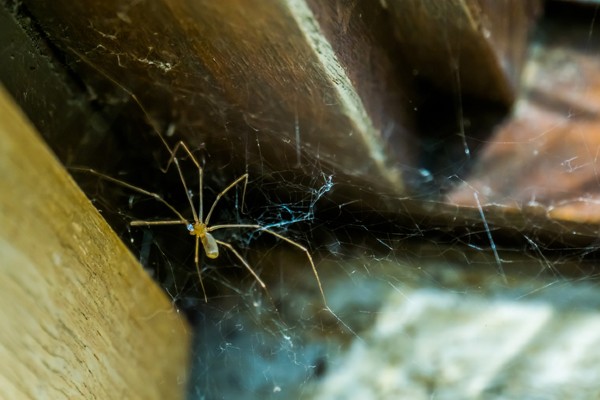
Habitat of cellar spider
Cellar spiders prefer dark and damp environments and can be found in basements, cellars, garages, and crawl spaces. They often inhabit corners of rooms, under furniture, and inside closets. Cellar spiders also thrive in outdoor spaces like sheds, under decks, and in woodpiles.
These spiders can be found in many regions, including North America, Europe, Asia, and Australia. Their adaptability to various environments allows them to inhabit urban and rural areas.
What do daddy long legs eat?
Daddy long legs are opportunistic predators that feed on small insects and other arthropods. When an insect becomes entangled in the web, the spider quickly immobilizes it with a bite and then consumes it. Cellar spiders are known for their ability to take down prey larger than themselves, including other spiders.
Cellar spiders can help control pest populations within homes and gardens. As predators and prey, they are integral to the food web and help balance ecosystems.
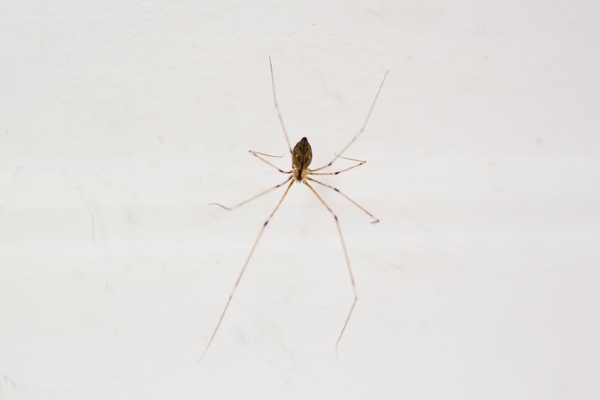
Predators and defense mechanisms
Daddy long legs, including cellar spiders, harvestmen, and crane flies, have several common predators, including birds, various spider species, small mammals, lizards, and other insects. They do have a few defense mechanisms that help them survive, including:
- Camouflage: Their long, thin legs and small bodies help them hide among foliage, debris, and shadows, making them less visible to predators.
- Leg detachment: When threatened, they can detach one or more legs to escape predators. The detached leg continues to move, distracting the predator while the spider escapes.
- Vibration: Cellar spiders can use a defense mechanism called "whirling" or vibrating rapidly in their webs to create a confusing motion that deters predators.
Are daddy long legs poisonous?
Daddy long legs are not poisonous to humans, and the chances of being bitten by one are extremely low. Contrary to popular myth, cellar spiders have weak venom that is harmless to humans and rarely bite, while harvestmen do not have venom glands and are completely harmless.
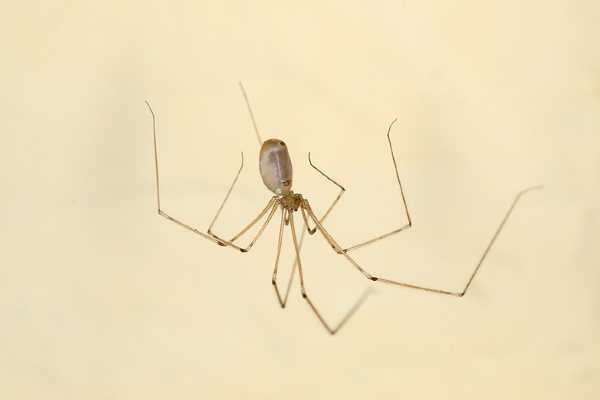
How to help prevent spiders in your home
If you're concerned about spiders in your home, try these strategies to help prevent them:
- Seal entry points: Use caulk or weather stripping to help seal gaps around doors and windows.
- Remove clutter: Keep storage areas and basements tidy to help reduce hiding spots for spiders.
- Reduce outdoor lighting: Spiders are attracted to insects that are drawn to light, so consider using yellow or sodium vapor lights outdoors.
- Regular cleaning: Vacuum regularly to remove spiders, webs, and egg sacs.
Spiders are one of the 25 pests covered with Terminix's ongoing pest protection plan, PestFree365.1 A multipoint interior and exterior inspection helps our technicians determine how spiders may be entering your home and what treatments are best. Schedule your inspection today!
1Coverage includes: "House" Ants, Bird Mites, Indoor Ticks, Cockroaches, Carpet Beetles, Fabric Moths, Overwintering Insects, Ground Beetles, Centipedes, Crickets, Earwigs, Firebrats, Millipedes, Clover Mites, Pillbugs/Sowbugs, Psocids, Scorpions, Silverfish, Paper Wasps, Springtails, Spiders, Stored Product Beetles, Stored Product Moths, Mice, and Rats.