Understanding crab spiders
(Family Thomisidae & Family Philodromidae)
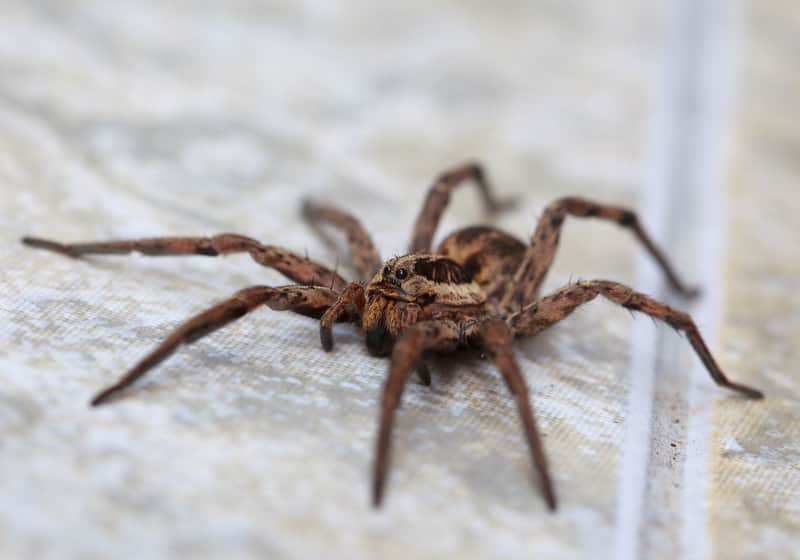
Crab spiders, scientifically known as Thomisidae, are a group of arachnids known for their unique appearance and hunting techniques. Crab spiders are named after their crab-like appearance, with their legs spread out sideways like a crab's. This stance allows them to move quickly and efficiently in all directions, making them effective predators. These spiders can sometimes be considered pests due to their presence in gardens and homes, sometimes leading to the need for spider control services.
What do crab spiders look like?
Crab spiders are small but easy to spot. These arachnids can be identified by their bodies which are wide and flat, allowing them to blend seamlessly into their surroundings. Their color may change based on their surroundings, and they can be bright yellow, white, or green. Crab spiders have long front legs that resemble crab claws, which is how they get their name and how they grab onto their prey. Their shape and skill in matching the colors of flowers and leaves turn them into excellent hiders. The crab spider’s size typically ranges up to 10mm in body length.

What do crab spiders eat?
Crab spiders have a unique method of hunting that sets them apart from many other spider species as they do not construct webs to capture their prey. Instead, these spiders camouflage to blend into their surroundings, often on flowers or leaves, where they patiently wait for their next meal to approach. Their diet primarily consists of small insects such as flies, bees, and sometimes even larger prey relative to their size. When an unsuspecting insect comes close enough, these spiders use their powerful front legs to swiftly grab and immobilize their target.

Where do crab spiders live?
These small pests can be found in gardens, fields, forests, and mountains. They like to hide in flowers, tree bark, or under dead leaves and wait for their prey. In the United States, crab spiders are common all over the country, especially in places with lots of plants and insects. They are found in gardens on the East Coast and in diverse landscapes on the West Coast.
Crab spider bites
If you're worried about a crab spider bite, it's important to know that while these spiders are venomous, their venom isn't generally harmful to humans. Most people might experience nothing more than mild irritation from a bite if they notice anything at all. In rare instances, some individuals could have an allergic reaction. These arachnids use their venom primarily to subdue their prey and are not known to be aggressive towards humans.
How do I get rid of crab spiders?
To prevent crab spider infestations, keep entryways like windows and doors clean and sealed. Inspect plants before bringing them inside for hidden spiders or eggs, and minimize clutter and debris around your home to deter them. However, if you find the problem persists or you're dealing with a larger infestation, it might be time to call in the professionals.
At Terminix, our spider control services are specifically designed to tackle these issues efficiently. For year-round protection from spiders, and up to 39 other household pests, try one of our PestFree365 plans.1
1Service frequency will vary based on geography. Covered Pests defined in your Plan. Automatic payment sign up is required for PestFree365+. Voles and fire ants are only covered if they are in the home; we will not treat the lawn. Homes must be free of bed bugs at the initial service to qualify for coverage of bed bugs under the PestFree365+ Plan. Applies to single family, free-standing, owner-occupied homes only. Account must be in good standing. Other limitations may apply. See Plan for details.