Identifying brown recluse spiders
(Loxosceles Reclusa)
The brown recluse spider, scientifically known as Loxosceles reclusa, is a small but potentially dangerous arachnid native to the central and southern United States. This spider is also commonly referred to as the violin or fiddleback spider due to its distinctive violin-shaped marking on its back.
Terminix experts can help protect you and your family from these potentially dangerous spiders. Your technician will identify and eliminate brown recluse spiders and take measures to help prevent them from returning.
What do brown recluse spiders look like?
While many spiders share similar features, brown recluse spiders have a few distinct characteristics, including:
- Color: Brown recluses are typically light to dark brown, with a violin-shaped marking on their back.
- Size: They are relatively small, ranging from about a quarter of an inch to half an inch in body length, excluding their legs.
- Body: Brown recluse spiders have six eyes arranged in three pairs in a semi-circular pattern, unlike most spiders, which have eight eyes. Their legs are long and slender, often covered in fine hairs, giving them a slightly velvety appearance.

Where do brown recluse spiders live?
Brown recluse spiders prefer warm, dry, and secluded environments. They are most commonly found in the central and southern United States, with populations concentrated in Missouri, Kansas, Oklahoma, Arkansas, Texas, Louisiana, and parts of Alabama, Mississippi, Georgia, and Tennessee.
Indoors, brown recluse spiders are often found in undisturbed areas such as basements, attics, closets, and crawl spaces. They favor dark, hidden spots where they can build their webs, such as inside shoes, behind furniture, and in storage boxes. Outside, the brown recluse can be found in woodpiles, sheds, and under rocks or debris. They are also known to hide in garages and barns.
Brown recluse spiders typically enter homes by hitching a ride on items like boxes, furniture, or firewood. They can also sneak through cracks, gaps, or poorly sealed doors and windows.

Behavior and diet of a brown recluse
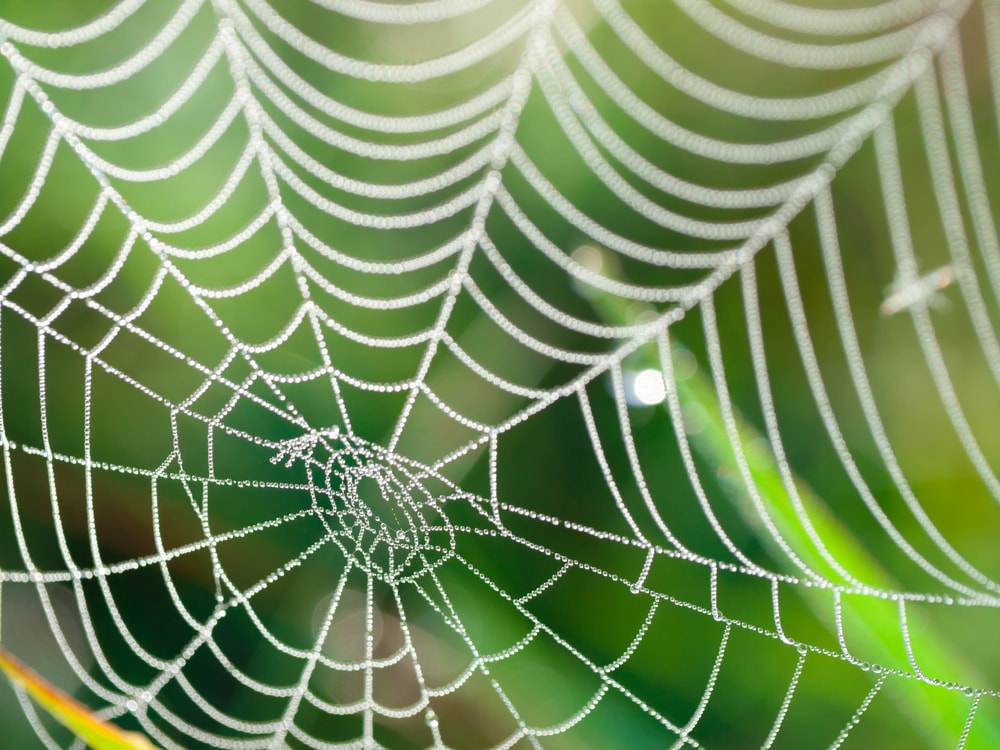
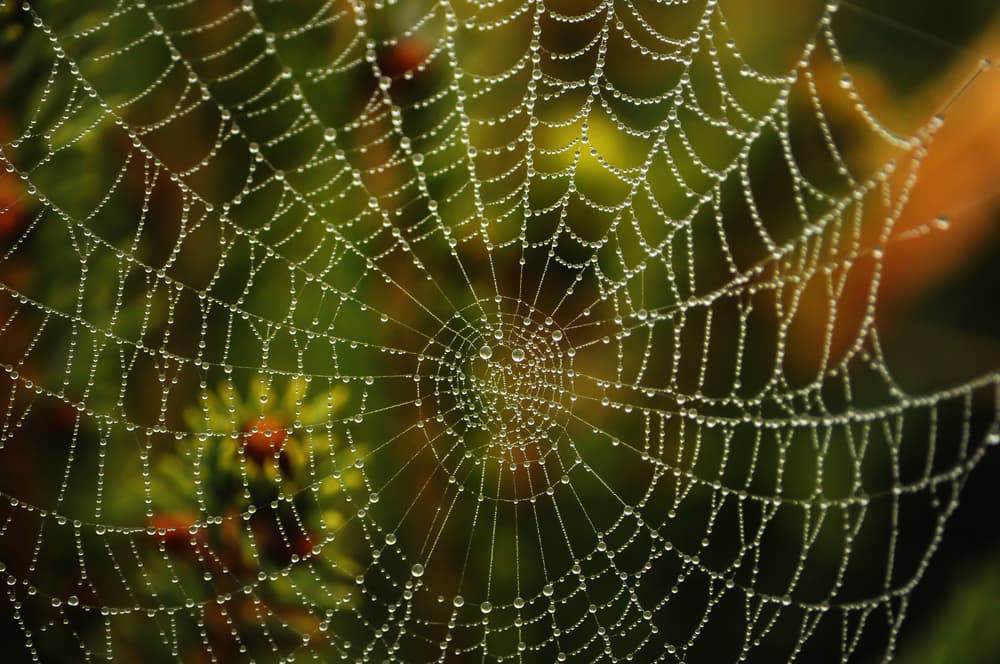
Brown recluse spiders are primarily nocturnal. They do not actively chase their prey; instead, they rely on ambush tactics, lying in wait and capturing insects and other small arthropods that come too close. Unlike many other spiders, brown recluses do not use elaborate webs to catch their prey. Instead, they build small, irregular webs in hidden areas, primarily as a retreat rather than a tool for hunting.
Their diet mainly consists of soft-bodied insects such as crickets, cockroaches, and other small invertebrates. Due to their reclusive nature, they often avoid human contact. This behavior contributes to their name!

Brown recluse bites
If you suspect you have a brown recluse bite, immediately seek medical attention. Because these spiders are venomous, a brown recluse bite can be concerning. Brown recluse venom contains a potent enzyme that can destroy tissue, leading to necrosis in severe cases.
Initially, the bite might go unnoticed, as it can feel like a mild sting or pinch. Within hours, the bite may develop into a red, swollen, and painful lesion. The center of the bite might turn pale or blistered, surrounded by a red, inflamed area. While not every bite has serious complications, some can cause significant skin damage.
Brown recluse vs. wolf spider
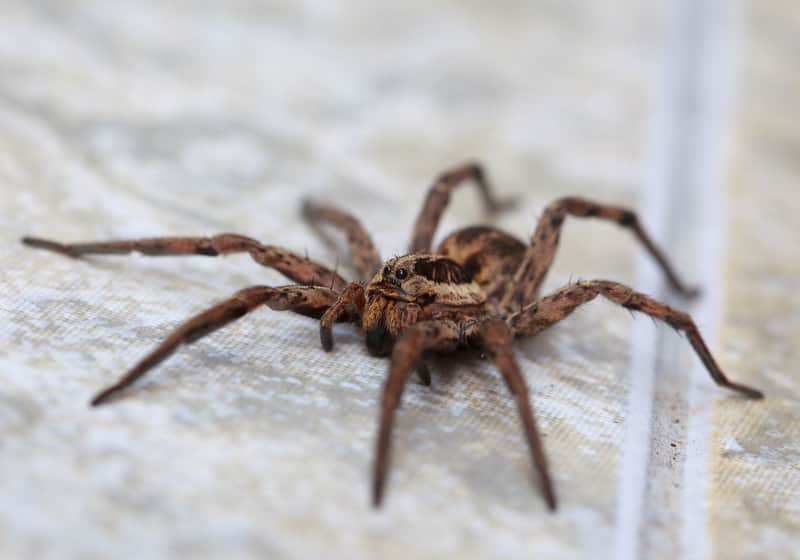
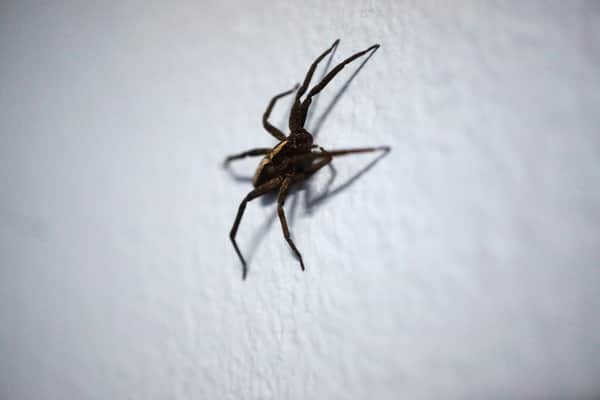
Due to its similar brown coloring, the brown recluse is often mistaken for the wolf spider, but several features set them apart.
- Body features: Wolf spiders lack the “fiddle shape” characteristic of the brown recluse. They also have distinguishing stripes and/or bands on their bodies and legs.
- Size: Brown recluse bodies are typically between a quarter of an inch and a half inch long, while wolf spider bodies are generally half an inch to one inch long.
- Eyes: The brown recluse has six eyes arranged in three pairs in a semi-circular pattern. Wolf spiders have eight eyes arranged in three rows.
- Legs: Brown recluses have long, slender legs with fine hairs, while wolf spiders have thick legs covered in prominent hairs or spines.

How to help prevent brown recluse spiders in your home
Since brown recluse spiders are known to populate in various areas inside and outside of the home, properly sealing potential entry spots around these spots can help prevent infestations. Other methods to keep brown recluses away can include:
- Using weather stripping around windows and window frames
- Routinely vacuuming areas where there are noticeable webs or spider activity
- Store items in sealed plastic containers rather than cardboard boxes. Spiders can easily hide in and around cardboard.
If you see a brown recluse spider in your home, do not attempt to handle or provoke the spider. Brown recluse bites can be severe, so it's important to keep your distance. If you suspect you have a brown recluse infestation, it’s best to call Terminix.
DIY methods can take several months to remove infestations and often fail. If you find a brown recluse spider in your home, our professional spider control services can help eliminate these pests and keep them away. Our annual pest control program, PestFree365+,1 can help prevent brown recluse spiders from making a home in yours! Schedule your inspection today!
1Covered Pests defined in your Plan. Autopay is required. Voles and fire ants are only covered if they are in the home; we will not treat the lawn. Home must be free of bed bugs during initial service to qualify for bed bug coverage under PestFree365+ Plan. Single-family, free-standing, owner occupied homes only. Other limitations apply. See Plan for details.