Black Widow Spider
(Latrodectus Mactans)
Black widow spiders are venomous arachnids known for their shiny black bodies and distinctive red hourglass marking on the underside of their abdomen. The name "black widow" comes from the popular belief that female black widows sometimes eat their male counterparts after mating, although this behavior is not as common in the wild as previously thought. These spiders are known for their potent venom, which can cause severe reactions for some.
For safe and effective handling of black widow spiders, trust Terminix. From common house spiders to potentially dangerous species like black widows, our technicians provide targeted treatments to help keep your family protected.
What do black widow spiders look like?
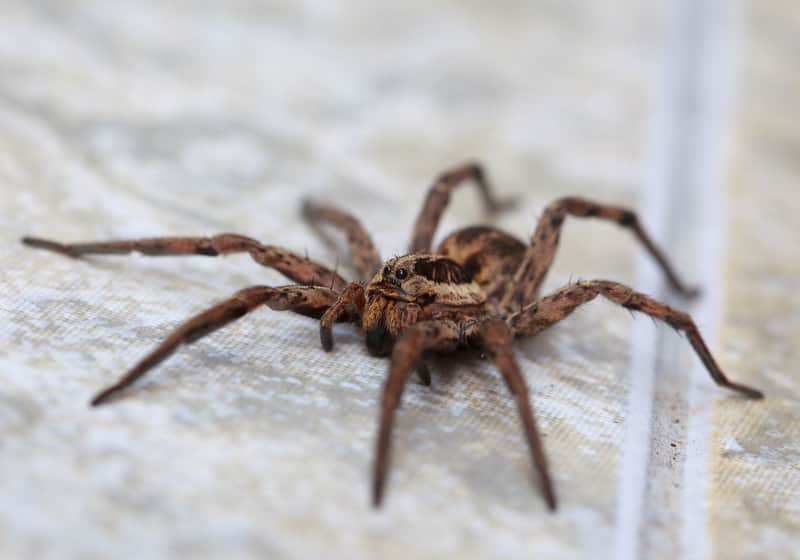
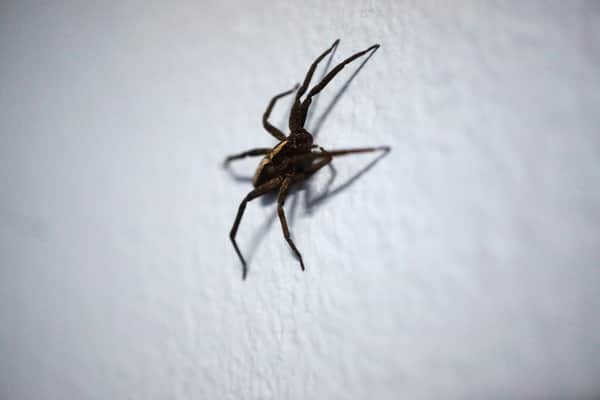
Black widow spiders can be identified by their particular color characteristics and markings. These include:
- Body: They have a shiny black body with long, slender legs.
- Color: The color of widow spiders varies. Most are black with bright red markings, although some are brown with bright orange markings.
- Markings: Common black widow spider markings include a red or orange hourglass-shaped marking on the underside of the abdomen of adult females. Not every black widow will have a red hourglass marking. The black widow spider marking can vary in appearance, sometimes appearing as two separate triangles or dots.
- Size: Adult females are larger than male black widow spiders. Males are typically about half the female’s size.

What do black widow webs look like?
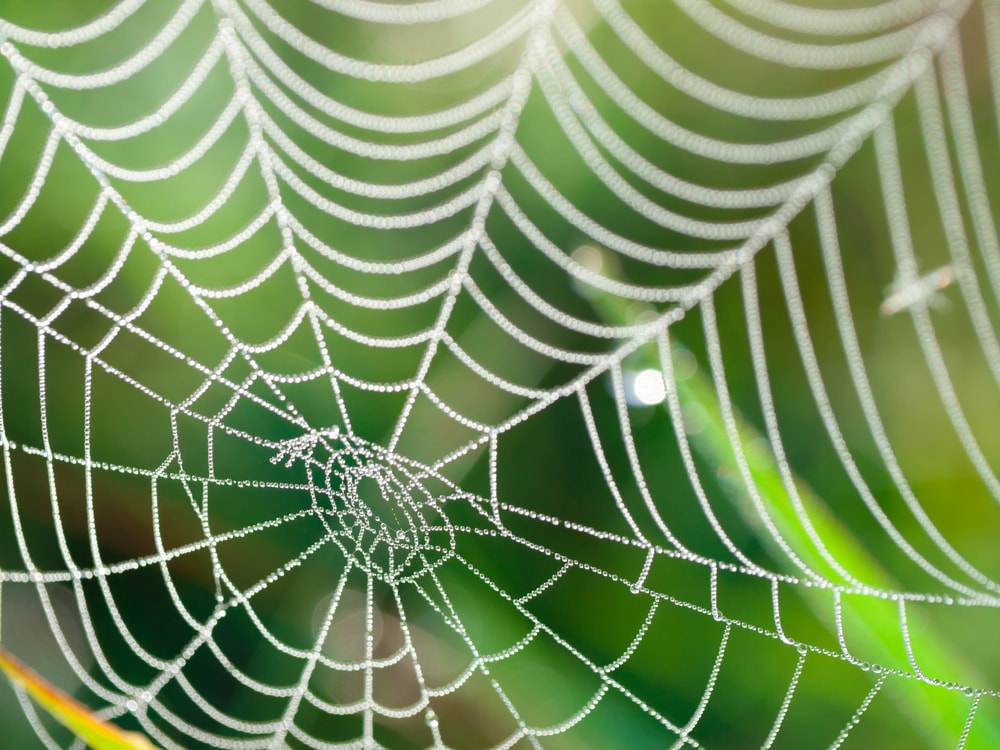
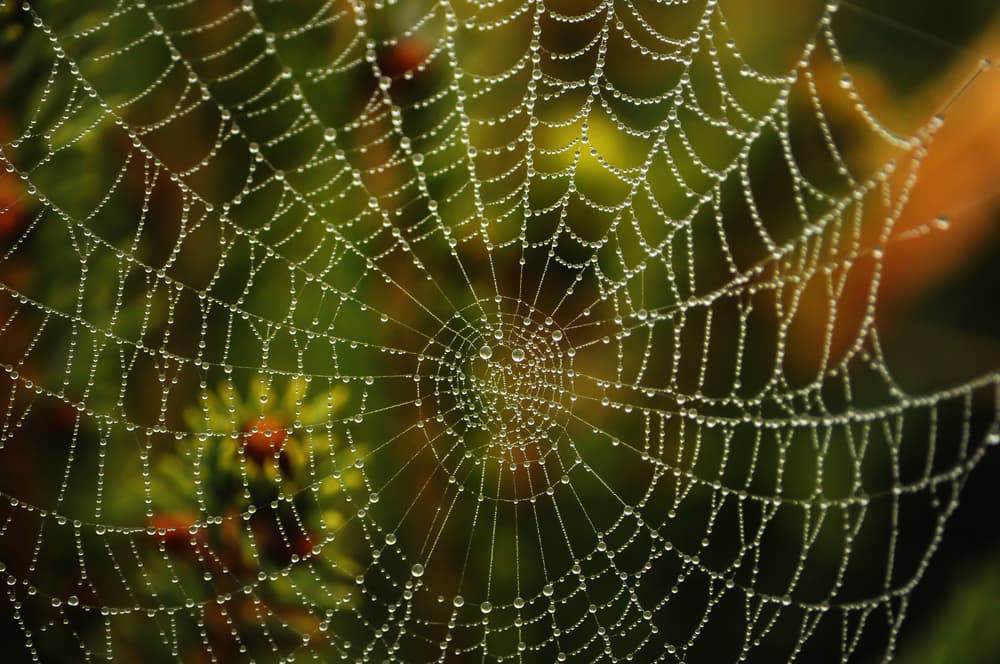
The black widow's seemingly chaotic web is actually carefully structured. It consists of three levels: strong supporting threads at the top prevent it from being easily torn by flying prey or debris, a tangled central area captures prey, and vertical traps at the bottom capture crawling insects.
This spider species typically positions itself upside down in the tangled center or waits on the ground for prey to become trapped. Occasionally, it will even rest above the web and drop down from heights of up to ten feet onto unsuspecting prey.

Male vs. female black widow spiders
There are a few key differences between male and female black widow spiders:
- Markings: Female black widow spiders are typically shiny black with a distinctive red or orange hourglass marking on the underside of their abdomen. Males are smaller and lighter in color, often with lighter markings or none at all.
- Size: Adult females can measure about one and a half inches long (including their leg span), while males range from 0.1 to 0.4 inches long.
- Lifespan: Females generally live up to one to three years in favorable conditions, while males typically live for several months.
- Venom: Female black widows are more dangerous than males because they possess larger venom glands and deliver more venom when they bite. Male black widows rarely bite, and their venom is less potent.
- Behavior: Male black widow spiders are seen less frequently than females and are primarily focused on finding females for mating. They may exhibit courtship behaviors such as web vibrations to signal their presence.
- Life cycle and reproduction: Black widow spiders undergo three main life stages: egg, spiderling, and adult.Females lay eggs in silk sacs and guard them until they hatch. While females may cannibalize males after mating, this is not very common.

Types of black widow spiders
There are three species of black widow spiders in the United States:
- Northern black widows: Found in the northeastern and mid-Atlantic regions of the U.S., extending as far west as eastern Texas and as far north as parts of southern Canada.
- Southern black widows: Found in the southeastern U.S., ranging from Florida to Texas and extending northward to southern New York and parts of the Midwest.
- Western black widows: Found in the western U.S. from California to Texas and northward into parts of western Canada.
Indoors, these spiders tend to avoid high-traffic areas, building webs in secluded areas of the home where they are likely to go undisturbed. When checking for black widow spiders indoors, look in and around cardboard boxes, rarely-worn shoes, sheds, barns, garages, attics, pipe holes, doors, air vents, basements, crawl spaces, false ceilings, storage spaces, dark corners, and cluttered areas.
Black Widow behaviors
Black widows are shy spiders that hide during the day. They prefer dim, sheltered areas inside homes, targeting grasshoppers, mosquitoes, and similar prey. Black widows do not need to eat daily; they can survive on a few meals per week. These spiders have several predators, including birds, lizards, wasps, some small mammals like shrews or rodents, and some larger spider species like wolf spiders.

Black Widow bites
Black widow spider bites can affect animals and humans. Smaller animals and bugs may be more vulnerable to black widow venom. Larger animals may experience localized pain and swelling, but severe reactions are rare.
Human reactions vary depending on factors like age, health, and the amount of venom injected. Black widow bites typically cause immediate pain, redness, and swelling. In some cases, symptoms like muscle cramps, abdominal pain, and nausea can occur.
If a black widow spider bites you, seek medical attention promptly to manage symptoms and receive appropriate care.
What to do if you see a black widow spider?
If you see a black widow spider, here are some safety tips:
- Do not provoke: Avoid provoking or disturbing the spider. Black widows are shy and usually only bite in self-defense.
- Maintain your distance: Keep a safe distance from the spider to prevent accidental bites.
- Avoid handling: Refrain from handling the spider or attempting to capture it without the help of a professional.
- Call a professional: Pest control professionals have the expertise and proper equipment to safely remove spiders and address infestations.
Black widow identification is crucial when determining what spider species is present. Terminix technicians have the knowledge required to identify the spider species present and determine the best removal method.
Spiders, including the black widow spider, are among the 39 pests covered with our ongoing pest control plan, PestFree365+.1 Our thorough inspection covers the exterior and interior of your home, locating spiders and their hiding spots. Once the spiders are located, our technicians will use targeted treatments to help prevent them from returning. Schedule your inspection today!
1Coverage includes: All PestFree365 pests ("House" Ants, Bird Mites, Indoor Ticks, Cockroaches, Carpet Beetles, Fabric Moths, Overwintering Insects, Ground Beetles, Centipedes, Crickets, Earwigs, Firebrats, Millipedes, Clover Mites, Pillbugs/Sowbugs, Psocids, Scorpions, Silverfish, Paper Wasps, Springtails, Spiders, Stored Product Beetles, Stored Product Moths, Mice, and Rats), plus Black Widow Spiders, Brown Recluse Spiders, Voles (interior only), Bed Bugs, Fleas (interior only), Bumble Bees, Carpenter Bees, Solitary Ground Bees, Yellowjackets, Hornets, Baldfaced Hornets, Crazy Ants, Carpenter Ants, and Fire Ants. Limitations apply. See Plan for details.