

Spider bites: Types, symptoms, and treatments
If you think you have been bitten by a spider or another nuisance pest, it is best to seek medical attention for a proper diagnosis. Everyone can react differently to bites and stings, so trying to self‐diagnose can be misleading and result in improper treatment.
Spiders are common housemates, but their presence can leave us wondering if that itchy bump is a bite from a spider. Distinguishing a spider bite from other insect bites is key, not only because of the discomfort they can cause but also due to the potential health risks associated with certain venomous species. Recognizing what a spider bite looks like is crucial to determining the severity of the wound and seeking appropriate treatment.
What do spider bites look like?
Spider bites can have a variety of appearances, but there are some common symptoms you can be on the lookout for. Initially, these bites may look like a small, red, swollen area on the skin, similar to many other insect bites. Depending on the spider type and the individual's reaction, the bite can turn into a larger red welt, become itchy or painful, and sometimes fill with pus. or cause a blister. It's essential to keep an eye on the bite for signs of an infection or a more severe reaction, specifically if you're unsure of the spider type that bit you.
Spider vs. mosquito vs. tick bites
People often struggle to differentiate between spider, mosquito, and tick bites due to their similar initial appearances as small, red, swollen areas on the skin. However, there are a few distinct differences you can look out for. Here's how:
Spider bite
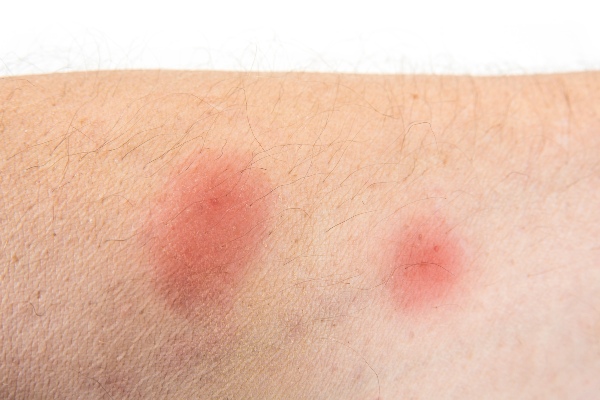
Spider bites might start as a red, swollen area. The bite can become itchy or painful and, in some instances, could lead to more severe symptoms like fever or chills.
Mosquito bite
.jpg?rev=6cf17a77e0494f6b9dead2077bd5ad9d&hash=8A7877FC56056FDD4E5C0FB5C67F8BB4)
Mosquito bites typically appear as puffy, reddish bumps soon after the bite. They are notoriously itchy and may become hard and swollen.
Tick bite
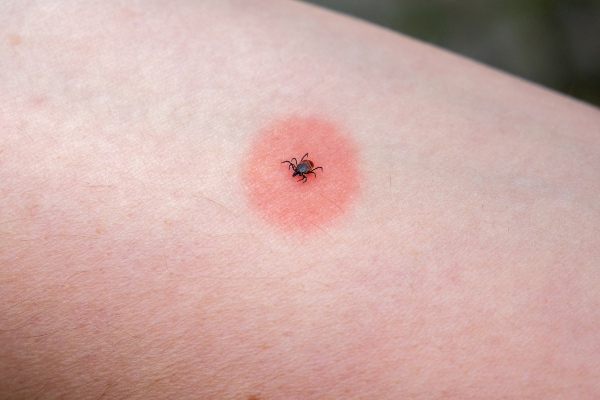
A tick bite can be easier to identify immediately, as ticks often remain attached to the skin for an extended period. The bite site may be red and mildly swollen, and in some cases, the area around the bite may develop a reddish rash.
Spider bite symptoms
Spider bites are often harmless, but certain species can cause more severe reactions. Being aware of the symptoms can help identify and treat a bite effectively. As a reminder, everyone reacts differently to spiders, but here are some common symptoms:
- Redness and swelling at the site of the bite
- Pain or discomfort around the area
- Itching
- Development of a blister or small bump
- Fever or chills
- Nausea and vomiting
- Muscle pain or cramping
- Difficulty breathing or tightness in the chest (in severe cases)
Spider bite treatment
Effectively treating a spider bite may require prompt and appropriate action. If you suspect the bite is from a venomous spider or if symptoms escalate—exhibiting signs such as severe pain, abdominal cramping, or difficulty breathing—seek medical attention immediately. Medical professionals may administer antivenom or other treatments to counteract the spider's venom. While most bites from spiders are harmless, it's crucial to monitor symptoms and react accordingly to ensure a swift recovery.
Which spiders have venomous bites?
Most spider species have venomous bites, but most are not harmful to humans. Their venom is designed primarily to subdue their prey, which is much smaller than humans. However, there are a few spider species whose bites can be harmful to humans due to the potency of their venom. Some examples include:
- Black widow spiders
- Brown recluse spiders
- Brazilian wandering spiders
- Sydney funnel‐web spiders
- Redback spiders
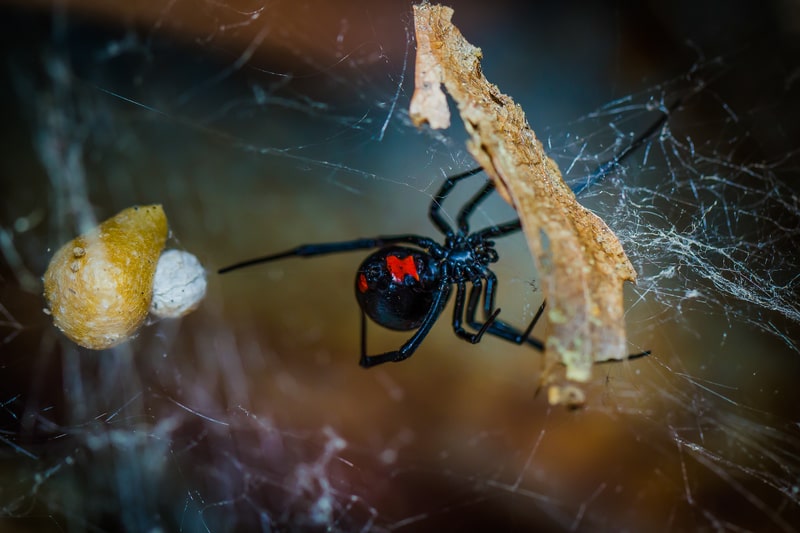
Black widow bites
If a black widow spider bites a person, symptoms occur within eight hours and may last up to seven days; however, victims may experience weakness and a general feeling of malaise for weeks. There is generally no pain at the bite site, but minor redness may occur. Symptoms may include tender lymph nodes, muscle pain, nausea, and abdominal rigidity with no tenderness. The degree of envenomation depends on several factors, including the amount of venom injected, size and species of spider, time of year, size and age of the victim, and location of the bite. If you suspect a black widow bite, seek immediate medical attention.
Brown recluse bites
Brown recluse spider bites can feel like a pinprick. Within 24 hours, the bite site can either develop into a focused lesion or can appear more widespread as a necrotic lesion with a bull's‐eye appearance. A brown recluse bite can take up to six weeks to heal, and in severe cases, patients can take months to recover from necrotic ulcers, fever, and general malaise. If bitten by a brown recluse spider, immediately clean the area with soap and water, apply a cold compress, elevate the limb, monitor for severe symptoms like fever or increased pain, and seek medical attention if symptoms worsen.
How to help prevent spider bites
Preventing spider bites is crucial, especially in areas where venomous spiders are common. By taking simple precautions, you can significantly reduce your risk of being bitten. Here's how:
- Wear protective clothing such as long sleeves, gloves, and long pants tucked into socks
- Keep your living spaces clean by regularly vacuuming and dusting
- Inspect and shake out clothing and shoes before wearing
- Use insect repellent
- Seal gaps around windows, doors, and walls
- Be cautious when handling boxes or storage containers
- Regularly maintain your garden
- Regular spider control services
If you are looking to prevent spiders in your home or need help with spider control services, schedule a spider inspection with Terminix! Spiders are one of the 25 pests covered with a Terminix PestFree365 pest control plan.¹
¹Coverage includes: "House" Ants, Bird Mites, Indoor Ticks, Cockroaches, Carpet Beetles, Fabric Moths, Overwintering Insects, Ground Beetles, Centipedes, Crickets, Earwigs, Firebrats, Millipedes, Clover Mites, Pillbugs/Sowbugs, Psocids, Scorpions, Silverfish, Paper Wasps, Springtails, Spiders, Stored Product Beetles, Stored Product Moths, Mice, and Rats.