

Removing spiders from homes, basements, and yards
Spiders are eight‐legged arachnids that often find their way indoors. While some view them with fear, spiders can be beneficial in keeping pest populations in check. Knowing the spider types you may encounter can help you understand how to get rid of spiders. The most common indoor spiders include:
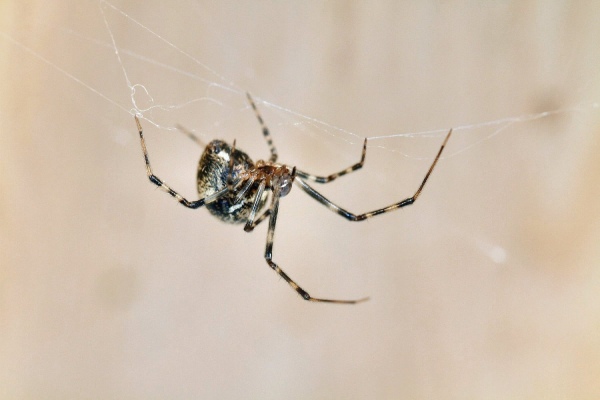
Common House Spider ‐ This small, yellowish‐brown spider can spin messy webs in undisturbed corners, basements, and attics. They are generally harmless to humans and catch nuisance insects.
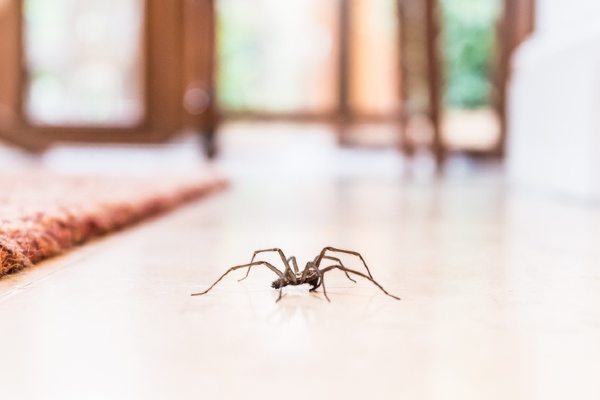
Wolf spider ‐ Wolf spiders actively hunt their prey. They are quick and agile, with excellent eyesight.
Brown recluse spider ‐ This venomous spider is shy and prefers dark, secluded areas. Its bites can cause painful lesions that require medical attention. The spider's head has a violin‐shaped marking and six eyes arranged in three pairs.
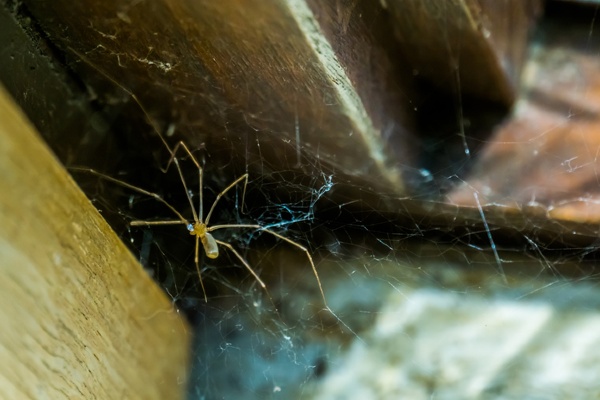
Cellar spider ‐ These long‐legged spiders are easily recognizable and generally harmless to humans. They use their long legs to sense prey vibrations in their webs.
Orb weaver spider ‐ Orb weavers are garden spiders that spin large, intricate webs outdoors.
What attracts spiders to your home
Spiders are driven indoors by a combination of factors. They enter homes for food, shelter, warmth, and moisture. Homes can offer a variety of potential prey for spiders, such as flies, gnats, and roaches. Some spiders seek warmth to regulate their body temperature, while other spider types prefer damp environments.
On the flip side, sometimes, spiders wander indoors unintentionally. They might crawl in through cracks, hitch a ride on boxes or firewood, or slip through open doors. Knowing what attracts spiders to your home can also help you learn how to get rid of spiders.
Where do spiders live indoors?
Spiders aren't picky about rooms, but they tend to favor areas that fulfill their needs mentioned above. Here's a breakdown of their preferred hideouts:
Quiet, undisturbed corners: Basements, attics, closets, behind furniture, or wall hangings. These areas allow them to build webs and lay eggs.
Near potential prey: Look around windows, doors, light fixtures, or houseplants. Damp environments: Bathrooms, laundry rooms, crawl spaces, or areas with leaky pipes.
Warm areas: During colder months, they might seek refuge near heating vents, water heaters, or sun‐drenched rooms.
Hidden crevices and cracks: Gaps around windows, doors, baseboards, or behind appliances.
How to help get rid of spiders
To help get rid of spiders indoors, vacuum and dust frequently, especially in corners, under furniture, and in other undisturbed areas. Keep rooms tidy and clear out clutter where spiders can hide. Clean up crumbs, spills, and food debris to reduce insect populations that attract spiders.
Areas you should pay close attention to include:
Basements: One recommendation on how to get rid of spiders in basements is to use dehumidifiers to dry the space. Additionally, seal cracks and gaps to block entry points and store belongings in sealed containers.
Attics: Seal air leaks around access hatches, soffit vents, and windows. Regularly remove cobwebs.
Outdoors: Reduce outdoor lighting at night that can attract insects, which in turn can attract spiders. This is a key step in reducing spider activity outside. Also, trim bushes near your house to remove spider webs and hiding spots.
If you're unsure how to get rid of spiders in your home, consult a professional pest control company that can provide customized solutions. Terminix technicians provide a more comprehensive approach to spider removal, especially for severe infestations.
Using insecticides for spider removal
Insecticides used for spider control typically contain one or more of the following active ingredients:
Pyrethroids: These synthetic chemicals mimic the insecticidal properties of natural pyrethrins found in chrysanthemum flowers. They work by affecting the spider's nervous system, leading to paralysis and death.
Pyrethrin: This is a natural insecticide from chrysanthemums. It acts similarly to pyrethroids but breaks down faster in sunlight and is considered safer for humans and pets than synthetic options (when used as directed).
Neonicotinoids: This synthetic class of insecticides works differently than pyrethroids, but it can be harmful to bees and other pollinators.
25(b) exempt products: These are natural, low‐toxicity pesticides considered a minimum risk by the EPA and are exempt from federal registration. They often contain essential oils like peppermint or clove and are used as repellents or contact sprays for spider control.
For severe spider infestations or situations where spider identification is crucial, consider seeking help from Terminix for spider removal. Our technicians can accurately identify spider species and use specialized spider control products that are safe for people and pets.
How to help prevent spiders in your home
To help prevent spiders from entering your home, seal gaps and cracks, repair screens, and vacuum regularly to prevent spider entry and remove webs. Trim vegetation around your home and use motion‐sensor lights to reduce insect and spider attraction.
Spiders are among the 25 pests covered with a Terminix PestFree365 pest control plan.¹ Spider species like the black widow and brown recluse that require specialized treatments are included in our PestFree365+ plan.² Both packages include multipoint inspections and regularly scheduled pest treatments to help remove and prevent pests from returning. Start protecting yourself from spiders today.
¹Coverage includes: "House" Ants, Bird Mites, Indoor Ticks, Cockroaches, Carpet Beetles, Fabric Moths, Overwintering Insects, Ground Beetles, Centipedes, Crickets, Earwigs, Firebrats, Millipedes, Clover Mites, Pillbugs/Sowbugs, Psocids, Scorpions, Silverfish, Paper Wasps, Springtails, Spiders, Stored Product Beetles, Stored Product Moths, Mice, and Rats.
²Coverage includes: Black Widow Spiders, Brown Recluse Spiders, Voles (interior only), Bed Bugs, Fleas (interior only), Bumble Bees, Carpenter Bees, Solitary Ground Bees, Yellowjackets, Hornets, Baldfaced Hornets, Crazy Ants, Carpenter Ants, and Fire Ants.