DIY
Using spider traps to catch spiders at home
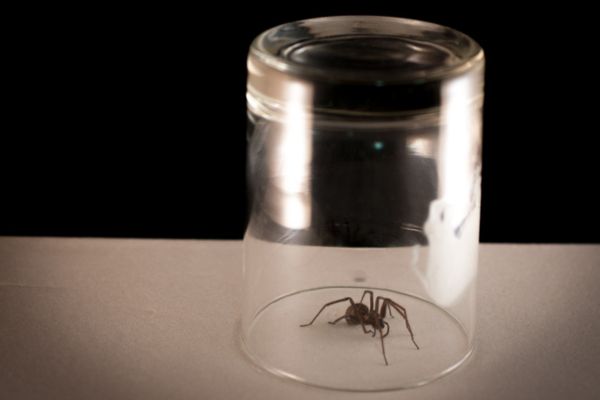
Spiders are among one of the most common invaders in our homes. Many homeowners look for easy and quick solutions to catch these crawling insects, including spider traps. These spider traps can be found at almost any convenience store, helping them gain popularity as a simple and effective method to manage spider populations. Throughout this guide, we will explore indoor spider traps and their effectiveness, ranging from DIY solutions to readily available products, all designed to help eliminate these pests from your home.
Understanding spider traps
Spider traps are designed to catch spiders without the need to directly engage with them. The way they work can vary depending on the type of trap you are using. There are different types of spider traps on the market, such as glue traps, bait traps, and light traps. An essential aspect of choosing spider traps for the home is non-toxic solutions, helping to ensure the safety of both humans and pets. Let’s take a look at each type of spider trap:
DIY spider traps
Many homeowners turn to DIY solutions for a quick fix, but that doesn't mean they are effective. A common method for DIY spider traps is using substances like vinegar, peppermint, basil, or eucalyptus. Typically, these scents will be diluted with water in spray bottles or cotton balls, placing or spraying them around areas known for spider activity. However, it is important to note that despite the popularity of homemade solutions online, they are not effective. The reality is that spiders are resilient creatures, and while they may occasionally avoid areas treated with strong smells, they will just relocate to a new spot within your home.

Glue and sticky traps
Spider sticky traps or glue traps work by capturing the spider as it walks over the sticky surface, preventing them from escaping. These traps are coated with a strong adhesive that makes movement impossible for almost any insect that steps on them. As for their effectiveness, they can be quite efficient for trapping smaller insects, especially in areas where they are known to frequent. However, their effectiveness can diminish over time as dust and debris accumulate on the trap’s surface, reducing its stickiness.
Electronic and light traps
Electronic and light traps are commonly used to control flying insects like mosquitoes and flies, utilizing the attraction these pests have to light sources to lure them in. These traps usually operate by emitting ultraviolet (UV) light that attracts insects, either trapping them mechanically or electrocuting them via an electric grid. However, when it comes to spiders, electronic and light traps are not an effective control method. Spiders, unlike many insects, are not attracted to light in the same manner. They tend to rely on other hunting techniques, such as creating webs in strategic locations to capture prey rather than visual attraction to light. However, these traps can help control food sources like flying insects, which can lower the amount of spiders attracted to a building.
Effectiveness of spider traps
Although spider traps can provide an easy and quick solution for catching spiders, the relief is only temporary. Spider traps, while useful for catching individual spiders that wander into them, do not address the underlying causes of the infestation, such as the presence of other insects in the home that may be serving as food for spiders or entry points into the house that allow them to come inside. Indoor spider traps are generally passive devices that rely on spiders walking over them by chance. Because of this, they are unlikely to capture the entirety of the spider population in a home, especially those that are well-hidden.
For long-term control over spider populations, it's best to seek out professional pest control. Your local Terminix technician can identify the specific types of spiders in your home, understand their behavior and habitat preferences, and employ a range of strategies to manage the infestation.

Preventing future spider problems
Spotting a spider in your home is usually an inevitable occurrence, but that doesn't mean they have to stay. Sealing entry points, eliminating food sources, and removing clutter and debris are all great ways to keep spiders out of your home. However, when these spider populations get out of hand, spider traps won’t do the trick. It’s time to call in the professionals at Terminix for backup. Our technicians know where spiders hide and have the tools to help eliminate them.
Start protecting yourself from spiders today with Terminix. With our PestFree365 or PestFree365+ plan, you can protect your home from common spiders along with up to 39 other common household pests.1
1 Covered Pests defined in your Plan. Automatic payment sign up is required for PestFree365+. Voles and fire ants are only covered if they are in the home, we will not treat the lawn. Homes must be free of bed bugs at the initial service to qualify for coverage of bed bugs under the PestFree365+ Plan. Applies to single family, free-standing, owner-occupied homes only. Account must be in good standing. Other limitations may apply. See Plan for details.