Education
What animals prey on and eat rats?
What eats rats? Learn about rat predators that hunt these rodents.
Rats might be one of the most famous pests around. Not only are they unsanitary, at times carrying pathogens that can cause diseases like rat-bite fever, leptospirosis, or salmonellosis, but if they get inside your home, they can cause destruction by chewing on wires and insulation. They also reproduce rapidly, making them difficult to control. That said, rats are prey with plenty of rat predators to keep them in check. Keep reading to learn what eats rats and how to prevent a rat infestation on your property.
What animals eat rats?
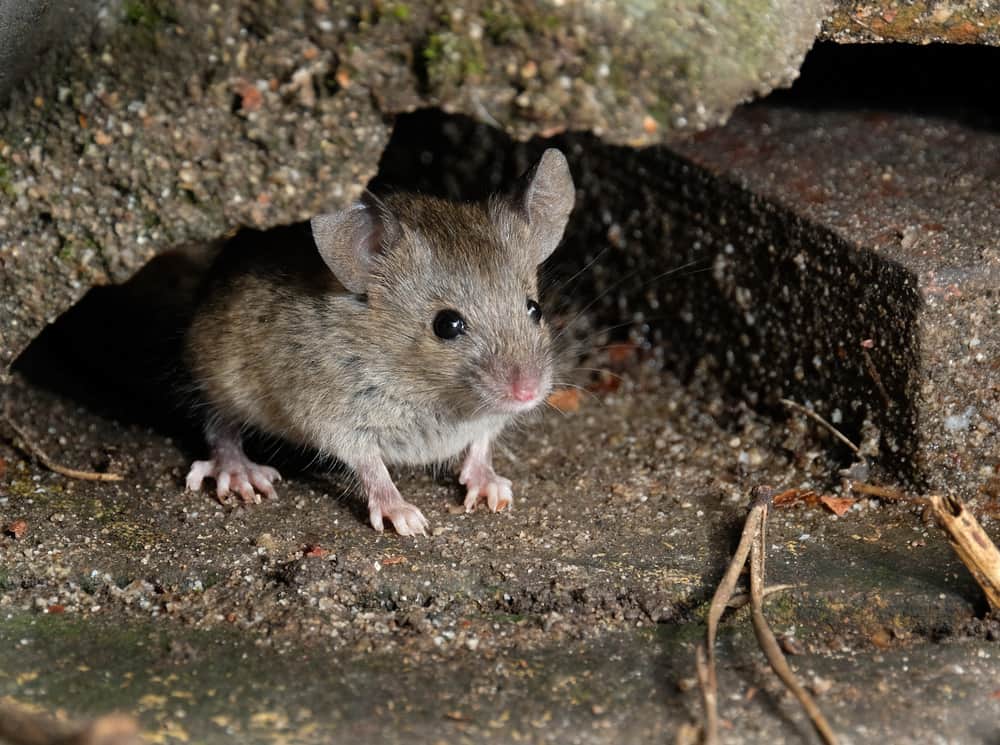
Rats can thrive in urban environments (making homes in buildings and sewer systems) as well as in forests and fields. That said, rats have a lower place in the food pyramid and are an important prey species for many larger predators. What animals keep rats away? Keep reading to find out more about some of the most common enemies of rats.
Cats
It’s no secret that cats, especially wild cats like bobcats and mountain lions, hunt rodents. Domestic cats may or may not hunt or play with mice and rats. In fact, many major urban areas experiencing rat problems are enlisting feral cats to hunt the rodents and help keep populations under control. Domesticated cats can be quite accomplished hunters. A recent study found evidence that house cats can kill up to ten times more prey compared to similarly sized predators in the wild.
Birds of prey
Famously, birds of prey feed on mice and rats. Raptors, including hawks, owls, eagles, and falcons, are common rat predators. Red tail hawks, found across most of North America, and American kestrels, the smallest falcon in North America, will hunt rats by day. The barn owl, known for its characteristic round and white face, is a common nocturnal predator.
Snakes
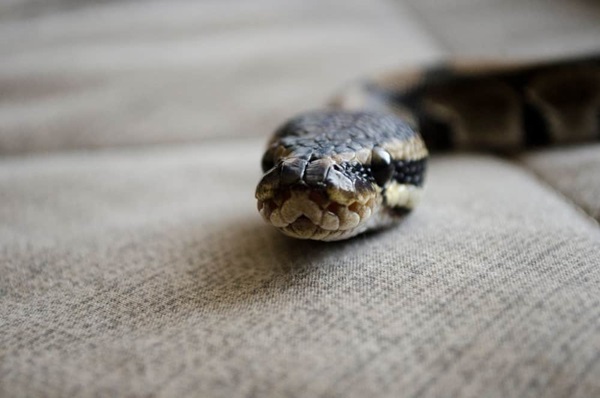
The basic snake diet includes birds, eggs, and, yes, rodents. Most species of snake will eat small mammals, including mice, rats, and squirrels. Rat snakes, which are very common in the Southeastern United States but can be found as far north as New England and Michigan, frequently prey on rats, as their name suggests. These snakes can be found in urban areas and frequently inhabit abandoned buildings and barns, where rats may be found. They kill their prey by constriction, and fortunately for humans, they are generally harmless and prefer to avoid confrontation.
Weasels
The long-tailed weasel has a range extending across most of North America, extending as far north as Canada and as far south as Central America. These long, feisty mammals are quick and efficient hunters, feeding primarily on small rodents, including rats. They hunt by tracking their prey’s scent and sound, and while they can hunt during the day, they are most active at night. Weasels are especially helpful to farmers because of their ability to help control rat and mice populations.
Dogs
Some types of dogs have been bred and trained specifically to hunt vermin, including rats. Terriers, such as Jack Russell Terriers, Cairn Terriers, and Rat Terriers, are especially skilled at catching and killing rats thanks to their high energy and keen hunting drive. That said, while pet dogs can occasionally catch rats, their success depends on their temperament and regular training to tap into those hunting instincts.
Can these predators get inside your house?
Obviously, if you own a domesticated cat, you already have one of these rat predators in your home. While the chances of a bird of prey finding its way inside are incredibly slim, barn owls do nest in barns and other buildings. Snakes and weasels are limber, and it’s possible that if you have rats in your home, these animals may come inside. Snakes are excellent climbers and can fit through small spaces, and the long-tailed weasel’s flexible back allows it to fit into small spaces like rodent burrows.
If you’re concerned about these animals in your home, check the areas where rodents may commonly be found, including attics and crawl spaces. Rats, like mice, can also live behind walls, so pay attention to any scurrying or scratching sounds you hear. Other signs of a rodent infestation include:
Food packages, plastic or wooden utensils covered in bite marks
Nests made of shredded paper or insulation
Disturbed insulation
Ducts or wiring that have been chewed
How effective are predators for rat control?
Using natural predators, like birds of prey or trained dogs, can be a tempting way to manage rat populations. However, relying on predators alone has its limitations and should not be used as a DIY method to control rodents.
In comparison, with professional pest control services offered by Terminix, you can directly target and eliminate a rat problem. Our professional methods combine advanced traps, baiting systems, and expert techniques to get rid of rats and prevent future infestations.
For a variety of reasons, and because do-it-yourself methods of removal may be ineffective, rodent control should be left to the professionals. Terminix offers FREE inspections and preventive solutions to help get and keep rats out of your home.