
Mice and Rats
Identifying rat nests in or near your home
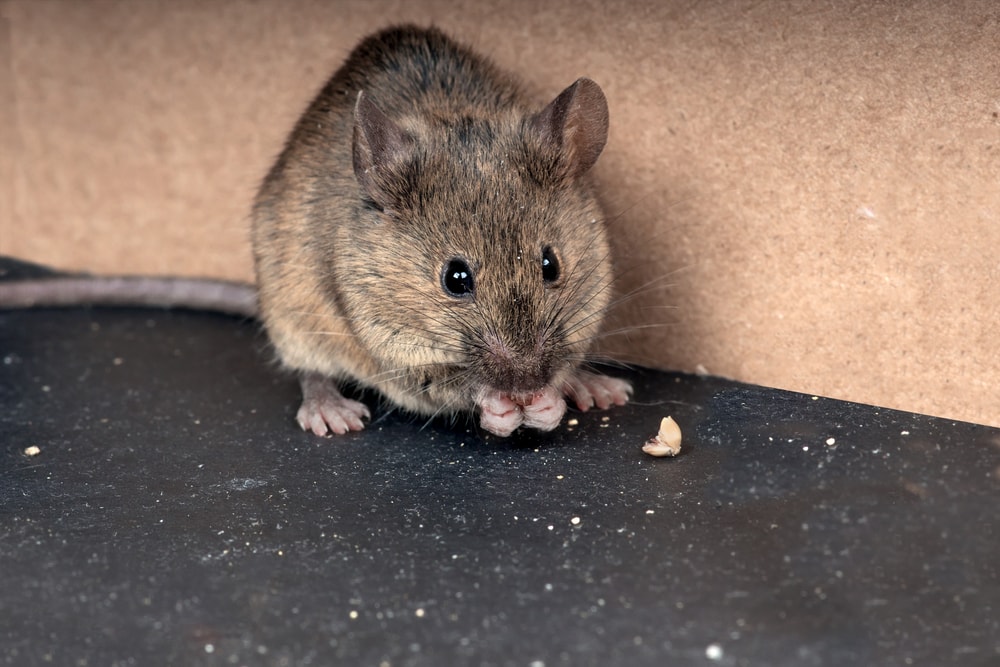
Rats are resourceful creatures when it comes to seeking shelter and food, often making their homes near human ones. A rat's nest serves as a safe space for breeding and shelter from predators. Their nests can typically be found constructed in hidden corners, but some species reside in burrows dug into the ground or holes created in walls or foundations. If you notice signs of rats in your home, like droppings, gnaw marks on furniture or wires, footprints in dusty areas, and unusual noises – you may be dealing with an infestation. So, what does a rat's nest look like? And where do rats nest in the house?
What does a rat nest look like?
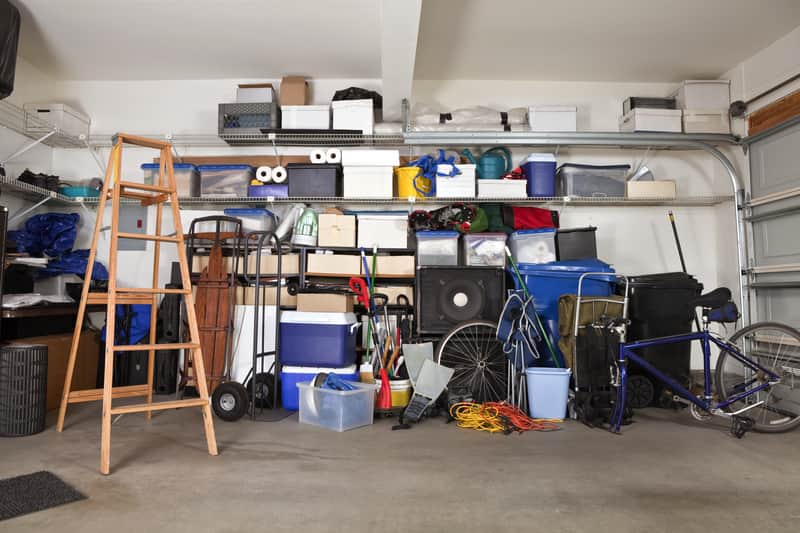
A rat nest typically looks like a messy, crumpled structure that can vary in size depending on the number of rats using it. These nests are made from available materials such as shredded paper, fabric, insulation, dried grass, and even food wrappers. Rats commonly build their nests in hidden or secluded areas of homes, favoring spaces like attics, basements, wall cavities, hollow ceilings, and inside cabinets. The choice of location is usually influenced by the need for shelter and safety from predators, making these areas ideal for nesting. Most rats will have several different nest sites or rat burrows to move between. As a result, finding a rat nest often indicates a larger rodent problem that may require attention.

Rat burrows and tunnels
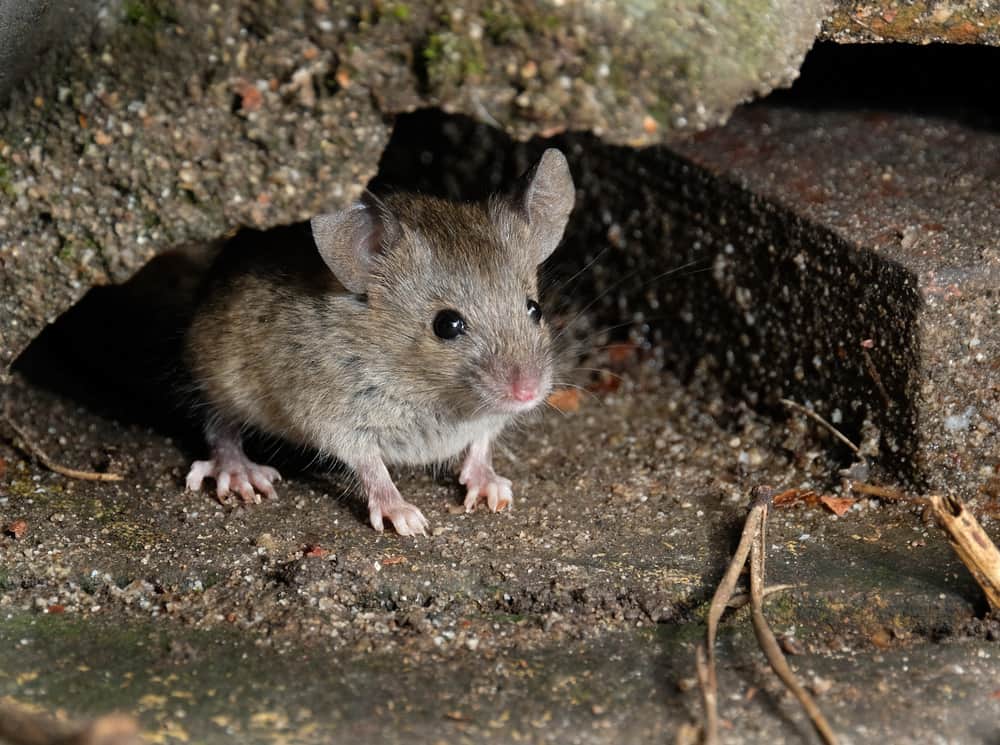
Rats are clever rodents and will adapt to whatever situation they find themselves in. When it comes to dwelling habits, instead of a rat's nest, you may see a rat burrow or rat tunnel. Typically, if you find rat burrows and tunnels, they belong to Norway rats. These rats often burrow alongside foundations, in overgrown areas, and below garbage or woodpiles. In homes, their burrows or nests are found in basements or the lower levels of buildings. The entrance to a rat's burrow is typically two to four inches across and can be up to 18 inches deep. Active burrows have smooth walls, and the dirt is hard-packed with loose dirt fanning out at the entrance. Nests can vary greatly in size, but they often contain around five to 15 rats, depending on the species and the availability of resources.

How can I get rid of rat nests?
When it comes to getting rid of a rat's nest in the house, DIY treatments won't cut it. Rats can carry harmful diseases like hantavirus and leptospirosis, and if rats feel threatened, they can become aggressive and bite or scratch. That’s why it’s best to leave rodent control in the hands of a professional. The technicians at Terminix are trained to find rats' nests and help keep these pests from coming back. With our PestFree365+ plans, you can help protect your home from rats and 38 other common household pests.1 Schedule your free inspection to get started.
1To see our Covered Pests, visit Terminix.com/pest-control/pestfree365. Automatic payment sign up is required for PestFree365+. Voles and fire ants are only covered if they are in the home, we will not treat the lawn. Homes must be free of bed bugs at the initial service to qualify for coverage of bed bugs under the PestFree365+ Plan. Applies to single family, free-standing, owner-occupied homes only. Account must be in good standing. Other limitations may apply. See Plan for details.