Learn about the Norway rat (Rattus norvegicus)
Explore in-depth information on Norway rats and effective prevention tips.
Published: May 6, 2025
Norway rats are common in urban and suburban areas, where they often seek food and shelter in human environments. These resilient rodents can cause significant damage and pose potential health risks. Get to know the characteristics, behavior, and habitat of Norway rats, and learn practical steps for controlling and preventing infestations.
Jump to section:
Identifying Norway rats
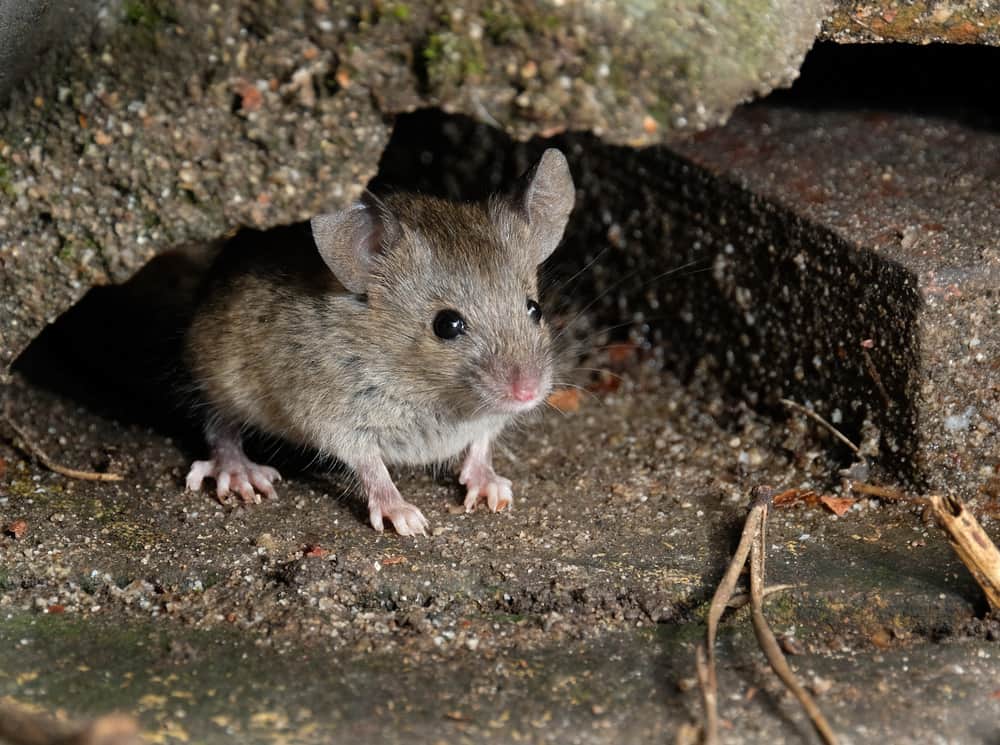
Norway rats are the largest commensal rodents in North America, with their bodies measuring 10 to 12 inches in length and weighing up to one pound. Their fur color can range from gray to brown or black, and they typically have coarse, dense fur. Norway rats are also characterized by their small ears, blunt noses, and long, scaly tails that are shorter than their bodies. Pet rats and lab rats are also Norway rats that have been bred for coat color and docility.

In addition to their appearance, Norway rats display behaviors that help identify their presence. They are burrowers by nature, often creating nests in the ground, beneath clutter, or near building foundations. Norway rats are nocturnal and will venture out at night to forage for food and patrol their territory.
Signs of a Norway rat infestation:
Droppings that are capsule-shaped and about 3/4 of an inch long
Gnaw marks on wood, wires, or food packaging
Grease marks or smudges along walls and floors from their oily fur
Burrows near building foundations or in cluttered outdoor areas
Scratching or rustling noises in walls, basements, or crawl spaces
Early detection and proper rat identification can help prevent infestations from escalating and causing further damage.
The lifespan of the common rat
The life cycle of the Norway rat, often referred to as the common rat, varies depending on its environment. In the wild, Norway rats typically live about one year due to harsh conditions and predators like hawks, owls, and snakes. However, in protected indoor settings with abundant food and shelter, their lifespan can extend to two or even three years.
Phases of the Norway rat life cycle
Birth to weaning: Norway rat pups are born blind, hairless, and fully dependent on their mother. During the first three weeks, they develop fur, open their eyes, and become more mobile.
Juvenile stage: After weaning, young Norway rats begin to explore their surroundings and establish their place within the colony. By 10-12 weeks, they reach sexual maturity and start breeding.
Adult stage: Adult Norway rats are prolific breeders, with females capable of producing 4-6 litters per year, each consisting of 6-12 pups.
Norway rat habitat and distribution
Norway rats are found across the United States, thriving in both urban and rural environments. They are particularly prevalent in areas with human activity, where food and shelter are readily available.
Preferred environments
Outside, Norway rats nest in fields, wooded areas, farms, and vacant lots. They are burrowers by nature, often digging tunnels near building foundations, under debris piles, or beneath stacked firewood, stones, and bricks. These environments provide them with the shelter and protection they need.
Where they live in homes
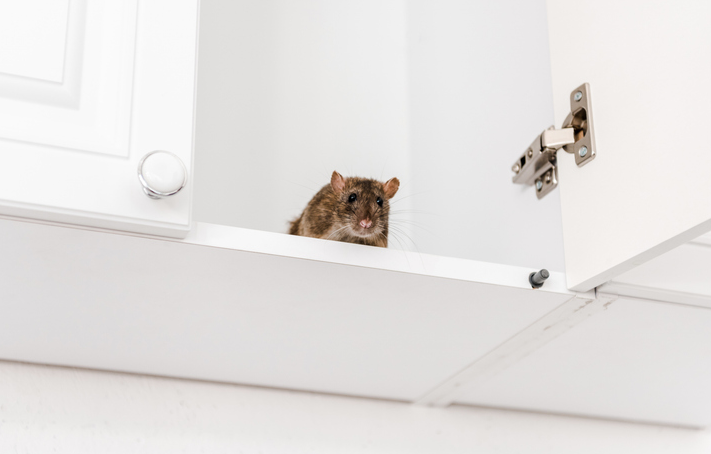
Inside homes, Norway rats are typically found in basements, crawl spaces, and lower levels of buildings. They prefer dark, secluded areas with minimal human activity, such as storage rooms or utility spaces. Their nests are often located near food and water sources to minimize travel distance.
How they get into homes
Norway rats are adept at exploiting openings to gain entry. They can squeeze through holes the size of a quarter, using gaps around utility lines, foundation cracks, and poorly sealed doors or windows. Their climbing ability allows them to access homes through vents or damaged siding.
What do Norway rats eat?
Norway rats are opportunistic omnivores, consuming a wide variety of foods depending on availability. Their diet typically includes grains, seeds, fruits, and vegetables, but they are also known to scavenge for meat, pet food, and garbage. In urban areas, they often feed on discarded food in trash bins or compost piles. Norway rats will hoard food when possible, storing it near their nests for future consumption.
Norway rats are active year-round but may increase their activity in the fall and winter when outdoor food sources become scarce. During colder months, they often seek shelter indoors, where they can find warmth and a steady food supply.

Are Norway rats dangerous?
Norway rats can pose serious health risks and cause significant property damage. They are known to spread diseases such as leptospirosis, salmonellosis, and rat-bite fever, which can be transmitted through their urine, droppings, or saliva. Symptoms of these diseases vary but may include fever, muscle aches, and gastrointestinal issues. While Norway rats rarely bite humans, they can become aggressive if threatened or cornered, particularly when defending their nests.
In addition to health risks, Norway rats can damage homes by gnawing on wood, wiring, and insulation, creating fire hazards and structural issues. Their burrowing behavior can undermine foundations, and their nests often involve shredding materials like paper, fabrics, or insulation.
Rat prevention
Preventing rats from entering your home requires proactive measures to eliminate attractants and block potential entry points. Follow these tips to keep rats away:
Store firewood properly: Keep firewood as far from your home as possible and off the ground. Only keep enough wood near the house to burn within a few days.
Remove debris: Clear away piles of stones, bricks, leaves, or other clutter near your home's foundation, as these can serve as nesting sites for rats.
Seal entry points: Inspect your home for cracks or holes larger than one-fourth of an inch, and seal them with steel wool or wire mesh before applying caulk or foam to prevent rats from chewing through.
- Install weather stripping: Ensure all exterior doors, including garage doors, have proper weather stripping to close gaps where rats could enter. Pay extra attention to the door leading from the garage into your home.
Eliminate food sources: Keep food in airtight containers, clean up crumbs and spills promptly, and secure garbage bins to reduce attractants.
Professional rat control solutions
For persistent rat problems, Terminix offers effective solutions. Our experienced technicians conduct detailed inspections to pinpoint problem areas and develop customized treatment plans to eliminate rodents and prevent their return. Schedule a free inspection today.