Identifying a deer mouse (Peromyscus maniculatus)
Learn where deer mice live, the risks they pose, and steps for control.
Deer mice in your home can pose health risks and cause damage. Get to know their behavior, habitats, and how to prevent or manage an infestation.
Jump to section:
What does a deer mouse look like?
Professional mice control solutions
What is a deer mouse?
A deer mouse is a small, nocturnal rodent commonly found in rural and wooded areas across North America. Unlike house mice, they rarely invade urban homes, preferring natural habitats like tree holes, hollow logs, and burrows. Deer mice are known for their adaptability and can thrive in various environments, but their presence in human spaces poses health risks, particularly due to their association with hantavirus.
What does a deer mouse look like?
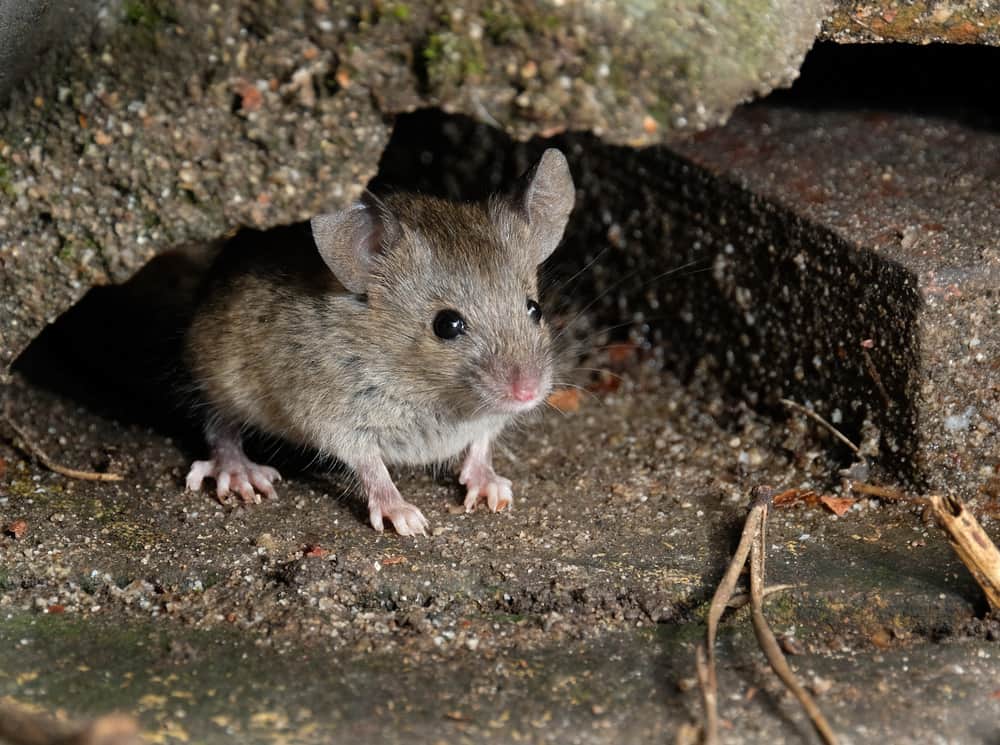
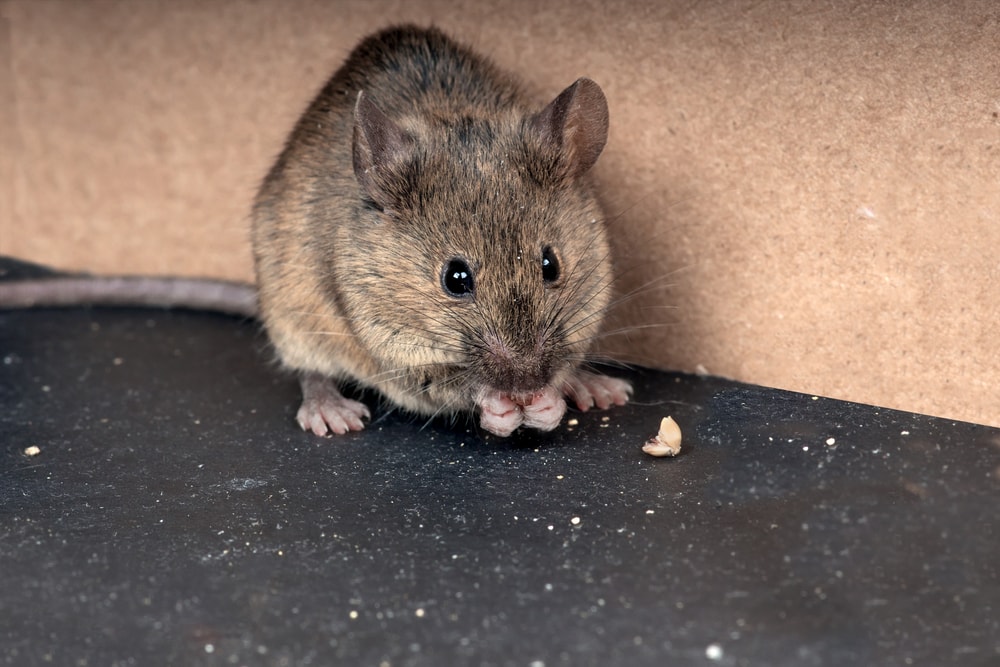
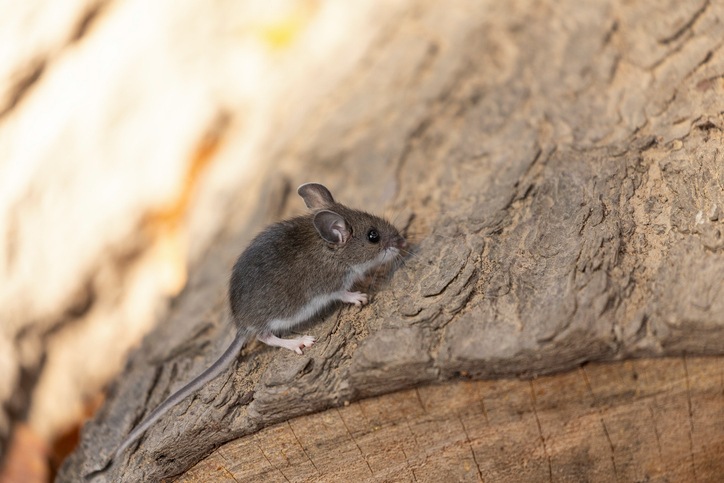
Deer mice are bicolored, with light brown to reddish-brown fur on their back and pure white fur on their underbelly and feet, resembling the coloration of a deer. Their bodies are compact, measuring up to two inches in length, with a long tail that’s also bicolored. Their distinct appearance sets them apart from other rodents, making them an easier mouse to identify when spotted.
Deer mouse vs. house mouse

The deer mouse and house mouse have distinct differences in behavior and habitat. While house mice are common in urban settings and frequently invade homes, deer mice are more often found in rural or wooded areas. Deer mice are also bicolored, unlike the uniformly gray or brown house mice. Additionally, deer mice are known to carry hantavirus, making them a greater health concern when they enter human spaces.
Deer mouse life cycle
Deer mice have a short but active life cycle, with most living about one year in the wild. Their lifespan is influenced by environmental factors such as food availability, shelter, and predation pressure. Under optimal conditions, however, deer mice can live longer.
Deer mice begin life as part of a litter of 1-9 mouse pups, with females capable of producing up to 11 litters. After being born, the pups are entirely dependent on their mother and remain in the nest for about three weeks before becoming weaned. Once they leave the nest, young deer mice quickly mature, reaching reproductive age within five to eight weeks. Adults continue to breed throughout their lives, ensuring rapid population growth in favorable conditions.
Habitat and burrows
Deer mice are found all over North America. They thrive in rural and wooded areas but can also inhabit grassy fields, rocky terrains, and forests. Unlike house mice, deer mice rarely venture into cities, preferring natural surroundings or buildings located near wooded regions.
Deer mice prefer outdoor environments for nesting and often choose secluded locations like tree holes, hollow logs, and piles of stones or branches. When they do enter homes, it’s typically in search of food or shelter, and they favor areas with minimal human activity, such as attics, garages, basements, and crawl spaces.
Burrowing behavior in deer mice varies between species and serves to protect them from predators and harsh weather. Some deer mice create simple burrows, while others build more complex structures with escape tunnels and central nesting chambers. These burrows are often located in wooded or rocky areas, providing both shelter and protection.
Diet and behavior
Deer mice primarily feed on grains, seeds, fruits, and leafy vegetation, making them a common presence in fields, forests, and wooded areas. They are opportunistic feeders and may also consume insects when available. While deer mice can cause damage to crops like corn and citrus or freshly emerged plants in forests, they may also provide some ecological benefits, such as reducing pest insects and improving soil fertility through their droppings.
Deer mice are most active during the warmer months when food sources are abundant, although they remain active year-round. In colder seasons, their behavior shifts as they seek shelter and store food to survive. Weather significantly impacts their activity; harsh winters may limit their movement, while mild conditions allow them to forage and nest more freely. Their nocturnal nature ensures they spend much of their time hidden from predators while remaining active at night.
Deer mice and diseases
Deer mice are known carriers of hantavirus pulmonary syndrome (HPS), a rare but potentially fatal respiratory disease in humans. Cases of hantavirus are uncommon, with approximately 20-50 cases reported annually in the United States. Despite its rarity, hantavirus poses serious risks and requires caution in areas frequented by deer mice.
Hantavirus is most commonly transmitted through contact with infected deer mouse carcasses, inhaling dust contaminated with mouse urine, or disturbing areas with accumulated droppings. Symptoms of HPS often begin with fever, fatigue, and muscle aches and may progress to severe respiratory distress and difficulty breathing. Early detection and medical intervention are critical for managing the disease.
To minimize risk, avoid handling deer mice or entering areas where they are known to frequent without proper protective gear. It’s best to rely on trained professionals to manage infestations and clean affected areas safely.
Deer mouse prevention tips
Preventing deer mice from entering your home starts with proactive measures. Follow these tips to minimize the chances of an infestation:
Seal entry points: Inspect your home for gaps or cracks in walls, doors, and windows. Use caulk or steel wool to block potential entryways.
Store food securely: Keep food in airtight containers and clean up crumbs and spills promptly.
Reduce clutter: Remove debris, such as piles of wood or stones, near your home that could provide nesting sites.
Maintain outdoor areas: Trim tree branches and shrubs near your home and clear away leaves and brush piles.
Set traps early: Place traps in areas like attics, basements, and crawl spaces if you suspect mouse activity.
Safe cleanup practices
Proper cleanup is crucial when dealing with deer mouse activity to minimize health risks, especially the potential transmission of hantavirus. Follow these guidelines to safely clean areas where deer mice have been active:
Avoid sweeping or vacuuming: Never sweep or vacuum droppings, dust, or debris in areas with mouse activity, as this can stir up harmful particles.
Use protective gear: Wear a respirator with a High-Efficiency Purifying Air (HEPA) filter, unvented protective goggles, and impermeable latex or rubber gloves.
Disinfect thoroughly: Soak droppings and dusty areas with an EPA-registered disinfectant before cleaning. Wipe up the area with paper towels, place them in a sealed plastic bag, and dispose of them in an outdoor trash receptacle.
Clean equipment: After cleaning, disinfect protective gear with an EPA-registered disinfectant, then again with soap and water, and allow it to air dry before reuse.
Handle traps and carcasses safely: Spray dead mice with an EPA-registered disinfectant before disposal. Avoid handling carcasses directly and dispose of them in a sealed plastic bag in an outdoor trash receptacle while wearing protective gear.
Professional mice control solutions
When dealing with a deer mice infestation, it’s best to enlist professional mice control, as mice can breed very quickly. Our experts provide thorough inspections to identify entry points and signs of activity, followed by customized treatment plans to eliminate mice and prevent future infestations. If you suspect deer mice have infested your home, schedule a free inspection today.