

Will an ultrasonic repeller keep pests away?
Ultrasonic pest repellers are a popular and innovative DIY solution for rodent control, offering a humane and non-toxic alternative to traditional methods. These devices emit high-frequency sound waves that cannot be heard by humans and most pets but are said to be highly irritating to some pests. As people seek safer and more environmentally friendly pest control options, ultrasonic repellers have gained attention for their ease of use and potential effectiveness, but do ultrasonic pest repellers work?
Before you invest in an (often-pricey) ultrasonic pest control device, make sure you understand the pros and cons of electronic "plug-in pest control." Let’s explore how ultrasonic repellers work, their limitations, and why DIY solutions are not the best option for pest control.

How do ultrasonic repellers work?
An ultrasonic repeller is an electronic device designed to deter pests by emitting high-frequency sound waves. These sound waves are typically above the range of human hearing, making them inaudible to people but disturbing to certain pests. These repellers claim to create an environment that pests find uncomfortable, encouraging them to leave the area or avoid it altogether.
The devices are primarily marketed to repel rodents such as mice and rats, but some also claim to be effective against a variety of other pests, including insects like cockroaches and mosquitoes. However, ultrasonic rat repellents and other similar devices are ineffective for more severe infestations and do not address the root cause of infestations. Before you spend any money on DIY devices, explore our thorough, professional pest control services.
So, are ultrasonic pest repellers effective?
Ultrasonic pest repellers make a big, bold promise: effortless pest removal with the push of a button. However, these promises are largely empty, which can cause many to wonder, “Do ultrasonic pest repellers work?” The Federal Trade Commission has warned consumers about ultrasonic pest control devices for decades, as manufacturers do not have the scientific evidence to back up their claims of effectiveness.
While the idea of using high-frequency sound to deter pests is intriguing, studies have consistently shown that these devices have limited to no impact on most pests, including rodents and insects. Rodents and other pests can quickly become used to the sound, reducing the long-term effectiveness of ultrasonic repellers.
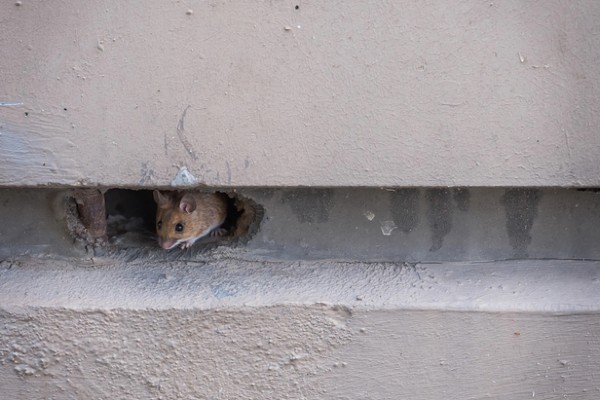
Are ultrasonic pest repellers safe for pets?
Ultrasonic pest repellers are generally considered safe for most household pets, as the sound waves they emit are above the hearing range of humans, cats, and dogs. Most ultrasonic pest repellers emit sounds above 20 kilohertz (kHz). Rats, mice, hamsters, and other pet rodents can hear sounds up to 90 kHz. Cats can hear up to 60 kHz, and dogs can pick up sounds up to 40 kHz.
Ultrasonic mouse repellers and similar devices may not be suitable for homes with pets with more sensitive hearing, such as hamsters, guinea pigs, etc. These animals can potentially hear the ultrasonic frequencies and may become distressed or uncomfortable. However, there has been no clear research investigating the long-term effects on dogs, cats, and other popular pets. If you’re concerned about how these devices can impact your pets, consult your veterinarian before buying one.
Other pest control options
There's an old adage that if something sounds too good to be true, it probably is. These words of wisdom apply to ultrasonic pest repellers. DIY solutions cost more in the long run and can even worsen your pest problems. Rats, mice, and many other pests can quickly multiply, making it crucial to resolve infestations before they get worse.
If you're struggling with a pest problem and don't know where to start, you don't have to tackle your pest concerns on your own. Talk to a trained pest control professional at Terminix instead. Our experts can help identify the specific pests you're dealing with, educate you on their behaviors and habits, and create a tailored, comprehensive prevention plan. Schedule an inspection with Terminix today!