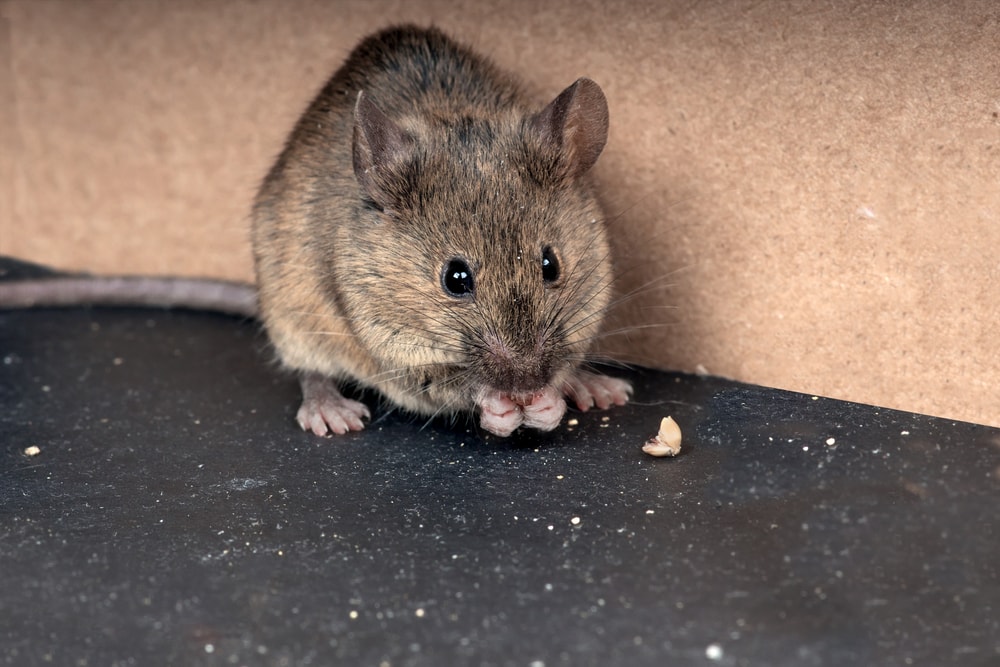

Mice and Rats
Which rat trap is the most effective?
Rats are more than just a nuisance; these pests can pose significant health risks and cause extensive damage to property. Allowing a rat problem to go unchecked can turn a small problem into a significant infestation. Early intervention is crucial to prevent these issues from escalating, which is why it's important to understand the options available for rat control. Rat traps and bait stations are two common methods used to treat a rodent problem. While bait stations dispense poison to eliminate rats, traps are designed to physically capture or kill rats upon contact. So, which is the best rat trap for your home?
How effective are rat traps?
Unfortunately, there is no guarantee that rat traps will be effective. Their effectiveness relies on the bait, the number of traps used, the specific type of trap selected, and how well they are positioned. Some rats may become wary and learn to evade traps over time. If you choose to use rat traps or bait stations in your home, it's important to follow all label guidelines to help ensure the safe use of these products. In general, it is better to use multiple devices and types for best results.
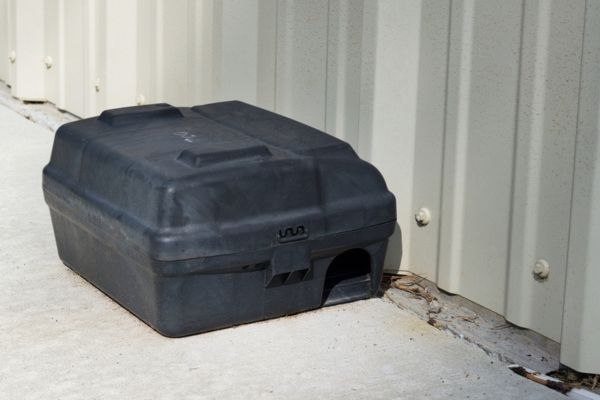
Live or box traps
Live or box traps are specifically designed to capture rats without harming them, allowing for the safe relocation of these pests. Typically made from solid metal or wire mesh, these traps feature a door that closes once the rat enters, attracted by bait placed inside. While these are considered humane rat traps, releasing the captured rats can be challenging. It's best to wear gloves to avoid scratches or bites, as rats can carry various diseases. In addition, there's no guarantee the rats won't find their way back into your home.
Bucket traps
Bucket rat traps are one of the most common DIY rat traps homeowners use. These traps use a large bucket filled partially with water, along with a mechanism that lures the rats towards the opening. When a rat attempts to access the bait placed on a raised platform above the bucket, it causes the rat to fall into the water, where it cannot escape. Although these traps can be effective, there are some concerns about inhumane treatment, as they may experience a prolonged struggle before drowning.
Snap traps
These rat traps feature a spring-loaded mechanism that activates when a rat takes the bait placed on the trap. When used properly, snap traps can be the most effective tool for capturing rats. Look around for dark smudges leading into holes and onto structural elements. Secure each trap using zip ties or double-sided tape so the snap trap trigger is positioned where the rat is likely touching (the middle of the dark smudge is known as a commitment point). Plan on using at least 6-12 traps in an area and space them out so they don’t set each other off. Gather up at least a couple of different baits, such as small pieces of fruit, nut butter, chocolate, or sausage. Bait each trap, but don’t set them yet. Wait until the rats start visiting the area again, and eat the bait first before setting the traps for the best results. While snap traps are effective, there are some risks to consider. Pets and children might accidentally come into contact with the trap, which could lead to injuries, so secure them out of reach. Check the traps every day so the dead rats don’t start to decay too much, especially in warm attics and garages.
Glue traps
Rat glue traps use a sticky adhesive to capture rats upon contact. These traps are available as glue-filled plastic trays or glue-coated cardboard. The strong glue provides a surface that rats may get stuck too while navigating the space. This may be more effective for catching younger rats. Glue traps may also be secured to other rat runways to limit rat travel up high so other traps may be used in more convenient areas. Despite their straightforward design, glue traps are usually not the best option compared to other options in this list. Also, rats may suffer for a prolonged period before dying when using these traps. There is also a risk of inadvertently capturing non-target animals, including pets, so be sure to secure all traps that are out of reach.
Electronic traps
Electronic rat traps utilize bait and sophisticated sensor technology to entice rats into the trap. Once a rat enters, the sensors detect and quickly kill it, such as with a pressurized hammer (A24) or electricity (Rat Zapper). Some of these traps can even send an alert to your phone when it senses a rat. Many electronic traps come with safety features, which can be beneficial for homes with pets or children nearby. The compressed air traps may be loud when used in certain areas. While electronic traps are becoming much more widespread, they tend to have a higher initial cost compared to other rat traps. Additionally, maintenance can be a bit of a challenge, as the trap needs to be emptied and cleaned regularly to avoid any unpleasant odors.
Try professional help to get rid of rats
When it comes to these pests, DIY rat traps often only address part of the problem. A professional knows where these rats like to hide and can recommend the best rat trap for your home. Enlisting the help of trained experts not only helps eliminate rodents from your home but also addresses the underlying cause of the infestation.
Dealing with rats in your home? Terminix can help. Schedule your free inspection today!