

Do home remedies for cockroaches work?
Roaches are attracted to homes primarily by food, water, and shelter. Moisture from leaky pipes or standing water can attract roaches, as they require water to survive. They are also drawn to accessible food sources like crumbs and spills. Cluttered, dark areas can also provide ideal hiding spots and breeding grounds for roaches.
While it may be tempting to try and resolve bug problems on your own, home remedies for roaches are often ineffective and cost more money in the long run. When it comes to a problem such as getting rid of roaches, the best option is to contact Terminix®.
Understanding roach behavior and the signs of a roach infestation
Roaches enter homes through various means, including cracks, gaps around doors and windows, plumbing, secondhand furniture, and shared walls in multi-unit buildings. If you suspect a roach infestation,* you need to act quickly.
Here are some signs that you may need roach control:
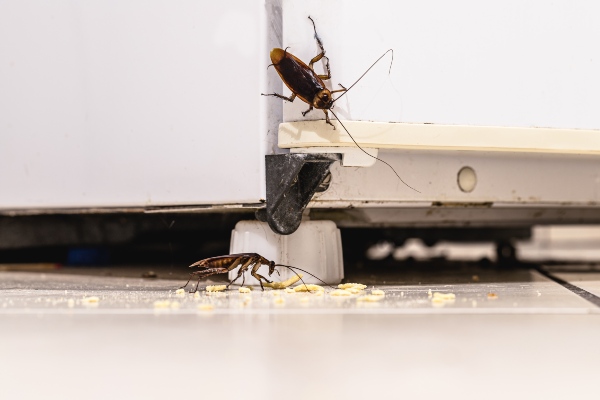
Visible roaches: Seeing roaches during the day can indicate a severe infestation. They are typically nocturnal and hide during the day.
Droppings: Roach droppings look similar to coffee grounds and can often be found in kitchens, cabinets, and basements.
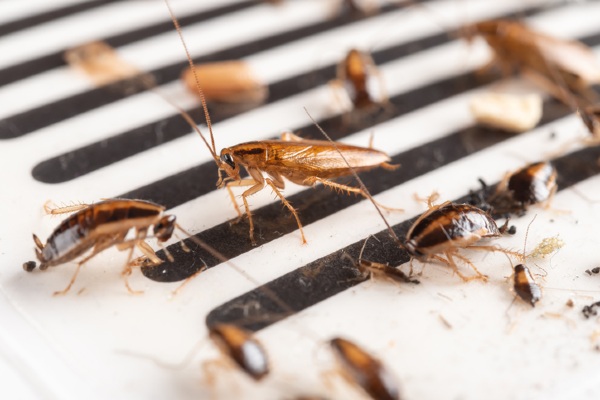
Shed skins: Look for light brown, translucent skins. Roaches shed their skins multiple times as they grow.
Allergy symptoms: Droppings and shed skins can increase allergy symptoms like sneezing, watery eyes, and skin rashes.
Unpleasant odor: A musty, oily smell can indicate a significant roach presence.
DIY and home remedies for roaches
DIY cockroach treatments and over-the-counter insecticides are ineffective because they fail to reach hidden nesting areas and do not address the root cause of infestations. Additionally, some roaches are resistant to over-the-counter insecticides.
These solutions may seem cost-effective initially, but repeated purchases quickly add up. Eventually, professional pest control becomes necessary, and more extensive treatments are required due to worsened infestations.
Roach foggers
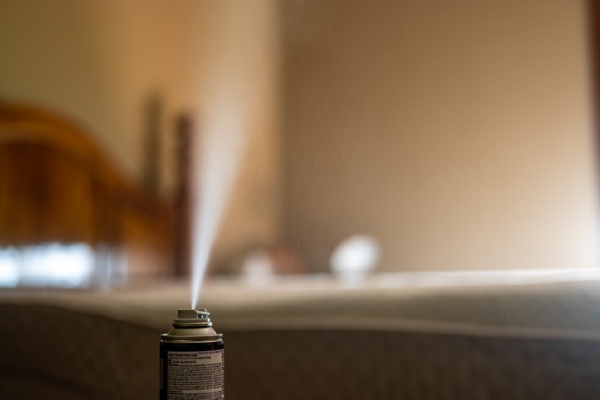
Roach foggers, also called roach bombs or bug bombs, are aerosol cans that release a pesticide mist into the air to eliminate roaches and other bugs. They’re supposed to be used in confined spaces, such as a room in a house. Only the insects that come into contact with the pesticides will die.
Foggers are ineffective because they cannot reach the hidden areas cockroaches are in, and many roaches are resistant to them. Homeowners using these products should take several precautions, including vacating their homes before use to avoid illness.
Electronic repellents
Electronic cockroach repellents emit ultrasonic sound waves intended to confuse or kill pests. Humans cannot hear these devices. While manufacturers claim these repellents work, scientific evidence supporting their effectiveness is lacking. Traditional pest control methods are recommended for more reliable results.
Cockroach traps
Cockroach traps use bait or attractants to lure and trap roaches. They can be used indoors or outdoors. Due to their size, they can typically only trap a few insects at a time. Their effectiveness can vary depending on placement, the bait used, and the severity of the infestation. Traps can help alert you that cockroaches are present, but they are ineffective against infestations.
Vinegar
White vinegar is commonly suggested as a natural home remedy for roaches due to its strong odor and acidic nature. While vinegar can potentially deter roaches due to its smell, it is not a reliable or effective long-term roach control solution. Roaches can adapt to the smell over time, and vinegar does not address the root causes of roach infestations.
Baking soda
Baking soda is often suggested as a DIY roach control method because it can react with the acid in a roach’s digestive system, creating gas build-up and eventually death. However, the roaches need to consume enough for it to be lethal, and they are not attracted to baking soda.
Borax
Borax is a common cleaning agent sometimes used as a DIY roach killer. When ingested, it can be toxic to roaches. The borax may not reach all the infested areas, making it an unreliable long-term solution.
Diatomaceous earth
Diatomaceous earth (DE) is a fine powder made from fossilized algae and silica. The powder has microscopic sharp edges that can pierce the exoskeletons of insects, causing them to dehydrate and die, but it can take weeks for this to happen. This DIY cockroach treatment is not as fast-acting as treatments professionals use, and it can be challenging to reach areas where roaches hide.
Boric acid
Boric acid kills roaches by disrupting their digestive system and metabolism, leading to dehydration and death. Boric acid can also adhere to the roach's body, contaminating other roaches when they groom each other. While boric acid can kill a few roaches, it can’t eliminate a roach infestation because it does not kill cockroach eggs.
Other natural cockroach remedies
Natural home remedies for roaches, such as citrus, peppermint, essential oil sprays, and catnip, are often suggested as a DIY approach to repel them. While their strong scents may temporarily deter roaches, they don't address root causes or eliminate roaches in hard-to-reach places.
Maintaining a clean house is another natural remedy that can help deter cockroaches by eliminating the food and water sources they need to survive. However, even with a spotless home, roaches can still find ways to enter and infest.
When to call the professionals for roach treatment
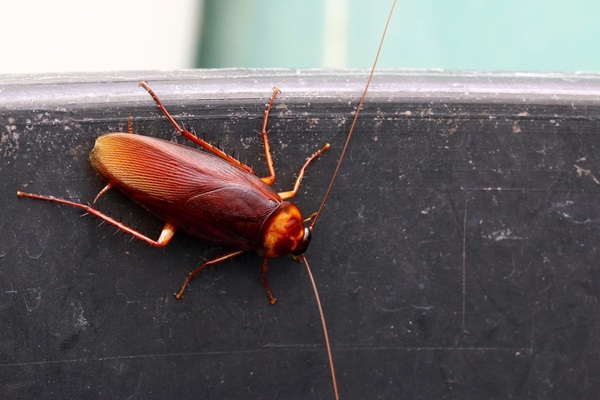
You should call professionals for roach control when you notice any signs of cockroach activity or suspect you may have an infestation. Terminix prioritizes preventative maintenance and treatment to help keep your home protected. After an inspection, our expert technicians will design a personalized treatment plan using a combination of methods.
Keeping roaches away from your home
Prevention is crucial against roaches because once they infest a home, they reproduce rapidly and can be challenging to eliminate. Implementing preventive measures, such as our annual pest control plan, PestFree365, can help you avoid the health risks and property damage associated with roach infestations.*
*Under PestFree365 plan, if infestation of bees, fleas, indoor ticks, cockroaches, brown recluse spiders, carpet beetles, fabric moths, stored product pests, mice, or rats present at time of initial inspection, a curative upcharge will apply. Coverage includes: “House” Ants, Bird Mites, Indoor Ticks, Cockroaches, Carpet Beetles, Fabric Moths, Overwintering Insects, Ground Beetles, Centipedes, Crickets, Earwigs, Firebrats, Millipedes, Clover Mites, Pillbugs/Sowbugs, Psocids, Scorpions, Silverfish, Paper Wasps, Springtails, Spiders, Stored Product Beetles, Stored Product Moths, Mice, and Rats.