

Identifying and removing sowbugs
(Class Crustacea, Order Isopoda)
Sowbugs, sometimes called woodlouse, are unique for being a type of crustacean that is capable of living on land. They usually feed on decaying plant matter, but they can also become pests if they start feeding on seedlings, roots, fruits, and vegetables.
They require a humid environment to survive, so there are a few key sowbug pest control strategies that are tried and true. Read on to learn how to get rid of sowbugs.
What are sowbugs?
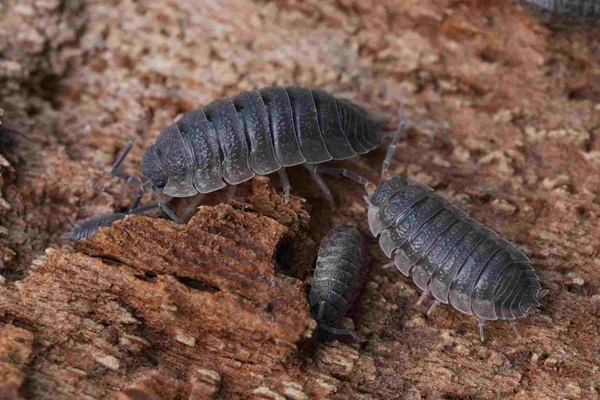
A sowbug (Class Crustacea, Order Isopoda) is a type of crustacean that is completely adapted to terrestrial habitats. They have oval bodies up to ½ an inch long that are flattened and have two small appendages extending from the rear. They have seven pairs of legs and are usually nocturnal.
They occasionally bury themselves several inches under the soil. Sowbugs feed on decaying vegetable matter and they can live up to two years.
Sowbugs vs. pillbugs
Pillbugs (family Armadilidiidae) and sowbugs (family Porcellionidae) are isopods that are capable of living on land. While their oval-shaped bodies appear similar, the main difference between sowbugs and pillbugs is the sowbugs two prominent tail-like appendages.
Pillbugs don’t have these, so they are able to roll their bodies into a ball, earning the nickname “roly-poly”.
Why you might have sowbugs in your house
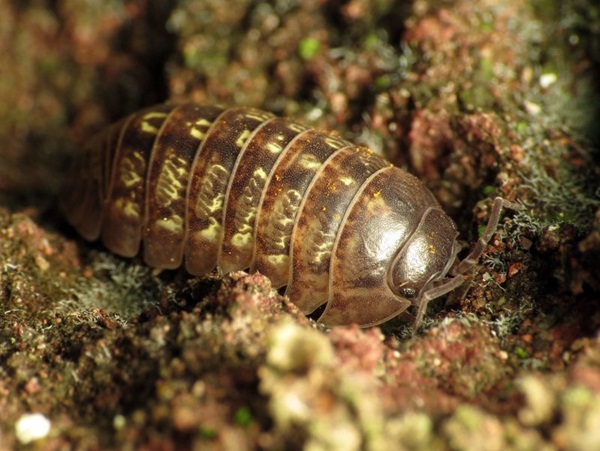
Sowbugs prefer moist environments and are found under objects lying on the damp ground and within leaf litter, mulch, and other types of vegetative debris. In rare cases, they have become pests of young plants. If you find them inside your home, it may signal a moisture problem or an issue with sealant, window, or door.
When sowbugs find their way indoors, they often quickly die from dehydration. They can, however, survive in damp basements, cellars, and crawl spaces. They have been found living within homes where a constant moisture source is available due to a water leak.
Are sow bugs harmful?
Sowbugs do not bite or sting humans and cause very little damage, so they are generally considered nothing more than a nuisance. Finding a sowbug or two indoors isn’t usually cause for concern and most likely means there is a larger population outside that may need to be addressed.
Since they feed on decaying plant matter, sowbugs play an important ecological role in the process of decomposition.
How to get rid of a sowbug infestation
Sowbug indoor invasions occur when outside conditions support large numbers of these crustaceans. Treatments can provide short-term relief, but correction of conditions that attract sowbugs is key to long-term success. Before resorting to a sowbug exterminator, focus on these prevention strategies:
Remove thick ground covers, such as ivy, “monkey” grass, etc., from the foundation of your home.
Remove items in contact with the soil wherever possible. Firewood, lumber, and other stored items should be stacked off the ground on supports away from the building.
Seal exterior cracks and holes, especially along the foundation.
“Close” weep holes by stuffing pieces of wire mesh or screening into the openings.
Need advice on sowbug control? We can help with pest control strategies that are tailored to your needs.