
Learn about snails and slugs
(Phylum Mollusca, Class Gastropoda)
Imagine stepping out into your garden only to find your once-thriving veggie patch or your meticulously cared-for flower beds riddled with holes. This can be a telltale sign of snails and slugs, whose appetites for leaves, flowers, and almost any organic matter can transform them from fascinating creatures into formidable foes. Snails and slugs, their shell-less counterparts, belong to the large and diverse class Gastropoda. These pests are known to inhabit gardens, yards, and sometimes homes, thriving in cool, moist, and sheltered environments. Learn how to get rid of snails and slugs in the house.
What’s the difference between snails and slugs?
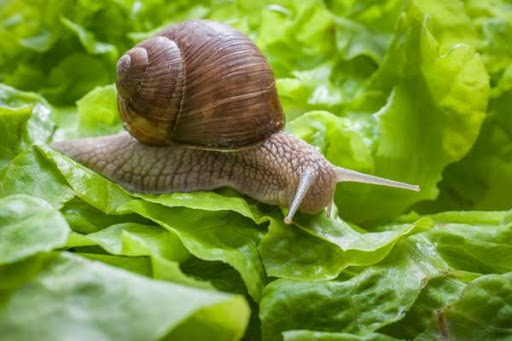
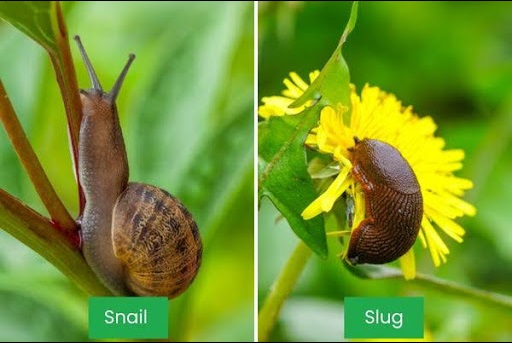
Snails and slugs are often confused due to their similar appearances, but they have distinct differences worth noting. The most notable difference between the two is that snails have a hard external shell, while slugs do not. This shell is not just a home for snails but also a critical defense mechanism. In terms of physical characteristics, both slugs and snails have a soft, elongated body that moves by gliding along on their muscular foot, leaving behind a trail of mucus. Regarding their lifespan, snails generally live longer than slugs due to the protection their shells offer against predators and harsh environmental conditions. On average, a snail can live several years, with some species living as long as 10 to 15 years in captivity, while slugs tend to have shorter lifespans, often around one to two years.
Slug and snail habitats
Slugs and snails are common invaders of gardens and yards, and you may even find slugs in the house, thriving in environments that offer them ample moisture and food. In outdoor spaces, they prefer areas that are cool, moist, and sheltered, such as under stones, fallen logs, or debris piles, which provide them with the humidity they need to survive and protect them from the sun and predators. They are particularly fond of gardens because of the abundant plant material available for food and the variety of hiding spots they offer. Beyond the garden, slugs and snails can venture into homes, especially during dry or hot periods when they are in search of more comfortable environments. In houses, they are likely to be found in basements, kitchens, or bathrooms.
What do snails and slugs eat?
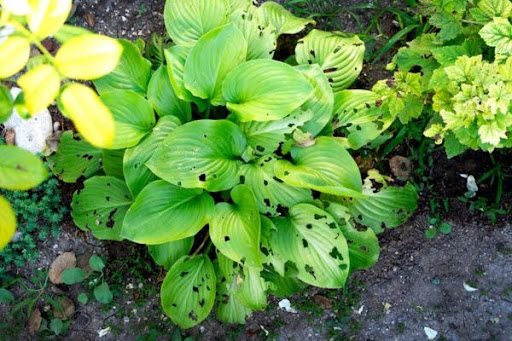
Snails and slugs primarily feed on plant matter, including leaves, stems, flowers, and fruits. They particularly enjoy those that are decaying or are in moist environments. They can also consume algae, fungi, and even animal feed. This diet preference means they can potentially damage a wide range of garden and crop plants which can lead to significant horticultural losses. Their tendency to consume a variety of plants can easily lead to an infestation, especially in gardens or farms where conditions are ideal for their survival and reproduction.
Should I be worried if I see a slug or snail?
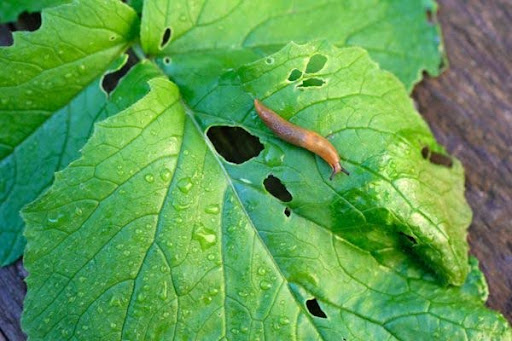
Seeing a slug or snail in your garden is not immediately a cause for concern. These creatures play vital roles in the ecosystem, such as breaking down decaying plant matter and recycling nutrients back into the soil. However, when their numbers significantly increase, they can start to cause more harm than good. An overpopulation of snails and slugs can lead to damage in your garden as they begin to feed on healthy plants, often eating holes in leaves, stems, and produce. If you start to notice significant damage to your plants or large numbers of these pests, then it may be time to explore options to get rid of slugs and snails.
Tips to remove and control snails and slugs
Implementing effective strategies to get rid of snails and slugs is crucial for protecting your garden and preserving the health of your plants. From creating barriers and traps to removing thick ground covers like ivy and monkey grass, every method contributes to maintaining balance in your outdoor space. A common DIY trap for snails and slugs is to place a tuna can or cat food can half filled with beer (out of reach of children and pets). The snails and slugs are drawn to the beer preferentially over your landscape plants and, thus, will crawl in and die. By regularly inspecting your garden, removing hiding places, and sealing entry points, you can significantly reduce the population of these pests. Keep these tips in mind to help your garden thrive, free from the undue stress of slugs and snails.