

What are silverfish
Silverfish, scientifically known as Lepisma saccharinum, are one of the most common pests found in our homes. Despite their name, these insects are not related to fish; they are named for their fish-like appearance and quick movements. Silverfish are among the oldest insects in the world. Fossils date them back to the Devonian period of the Paleozoic Era, making this species nearly 400 million years old. Although silverfish are not harmful to humans, they can easily infest your home, damage your belongings, and even trigger allergies in some people.
What do silverfish look like?
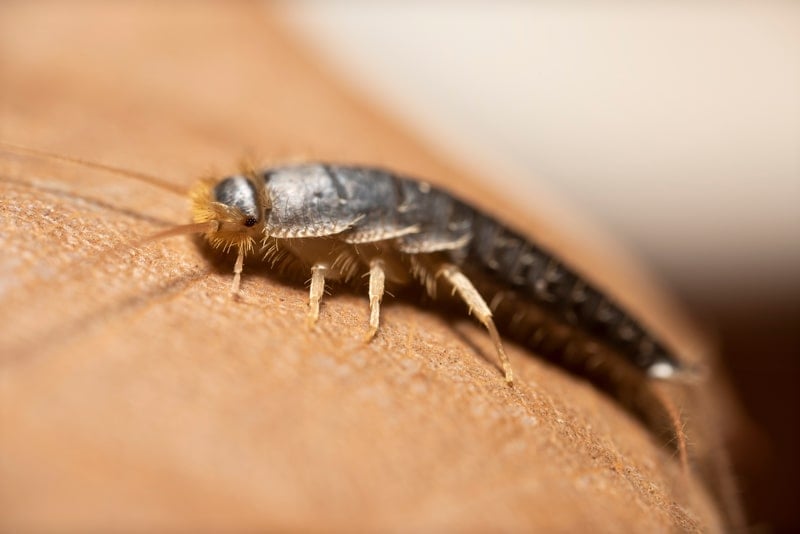
Adult silverfish are small insects that measure around ¾ inches long. They have a flattened, elongated body that is silver or grayish in color. Their bodies are covered in fine fish-like scales, giving them a somewhat shiny appearance. Silverfish have long, slender antennae that can be about twice the length of their body, with three long bristle-like appendages on the rear end of the body.

Silverfish lifespan and lifecycle stages
Silverfish go through ametabolous metamorphosis, meaning there is no metamorphosis or transformation. It can take three months to four years for the silverfish bug to transform from an egg to an adult. The silverfish life cycle has three stages: egg, nymph, and adult.
Egg: Female silverfish lay their eggs in any suitable crack they can find. These eggs are soft, white, and oval, measuring about one millimeter long. Depending on the conditions, it can take several weeks to months for the eggs to hatch.
Nymph: Once hatched, the silverfish nymph is a smaller version of the adult, measuring less than 1/8 inch in length. Nymphs are lighter in color and less shiny than adults, gradually growing as they molt multiple times.
Adult: At the final stage of the silverfish life cycle, adult silverfish typically range from ½ to ¾ inches long and are covered in silver scales. They have quick, darting movements, making them elusive and difficult to spot. In this stage, silverfish can live for approximately three years.
Do silverfish bite? Are they harmful to humans?
Silverfish are not harmful and do not bite humans. If they get scared, silverfish are likely to run and hide, which is why biting is extremely rare. However, these pests can trigger allergic reactions and cause respiratory problems in some people. They can also infest your entire home, ruin your belongings, and settle in your food.
What do silverfish eat?
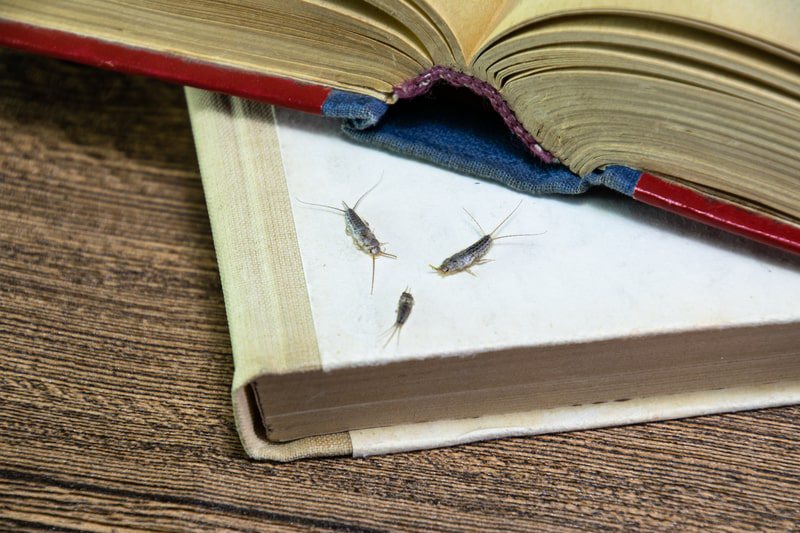
With regard to some of your most cherished belongings, nothing is safe from silverfish. Silverfish need starch, protein, and carbohydrates to survive. Which means they will eat fabric, paper, glue, wallpaper, and plaster. They also enjoy dried pasta, oats, coffee, sugar, and other human food. If your clothing has been starched, silverfish will also eat your clothes – particularly those made from natural fibers like cotton, silk, rayon, and even leather. Other belongings that silverfish tend to feed on are books and wallpaper, as these items all contain starch and the substances silverfish need to survive.
Where do silverfish come from? What attracts them to homes?
There are a number of reasons why silverfish bugs may have taken up residence in your home. These nocturnal insects prefer damp and moist places and thrive in temperatures between 70 and 80 degrees Fahrenheit. Attracted by food and humidity, they either infest your house from the outside or if you live in an apartment home, can easily creep over to your residence from neighboring units. Silverfish can also hitch a ride in a box, carton, or even a book that you bring home from another location. Bathrooms can be especially appealing to silverfish, providing them with water, humidity, food, and excellent hiding spots.
Signs of a silverfish infestation
Silverfish in the house prefer humid hideouts with food sources nearby such as attics, basements, laundry rooms, bathrooms, and kitchens. In nature, they live under rocks, logs, and tree bark. Common signs of silverfish infestation include silverfish droppings, shed scales, yellow stains on cardboard or clothing, and chewed holes in books, wallpaper, or clothes. If you have an infestation, you are likely to see live silverfish lurking around the house, crawling up and down your walls, or hiding in spaces like bookshelves.
How can I help prevent silverfish from getting into my home?
Silverfish love dark places, high humidity, and readily available food sources. So leaky pipes, cracks in walls, and food without containers can be highly appealing to these pests and tempt them into your home. To help prevent silverfish from infesting your home, you need to make your house unattractive to these insects:
Tend to areas that have moisture and humidity. Consider investing in a dehumidifier for these zones of your home. Carefully look for areas where you may have leaks that allow water to pool, creating a moist environment.
Clean regularly. Silverfish actually feed on dust, so a dusty environment can make your home all the more tempting for these creatures. They also like to lurk in areas with lots of clutter, giving them ample places to hide and seek out food.
Place food in airtight containers. Since silverfish feed on starches, carb-heavy breakfast cereals are an ideal food source for them. Placing cereal, flour, pet food, and other cardboard boxes of food in airtight containers can help reduce the risk of having unwanted guests at your breakfast table.
If silverfish make their way inside your home – it’s time to call Terminix. Our silverfish control services can help eliminate these pests and keep them from coming back. With our PestFree365+ plans, you can protect your home from silverfish and 38 other common household pests.1
Silverfish are one of the 25 pests covered with a Terminix PestFree365 pest control plan.
![best protection logo]()
Pestfree365+ Plan
- Interior and exterior pest inspection
- Protection from 39 pests, including 14 pests that may be costly to eliminate
- Regularly scheduled pest treatments
- Terminix It Guarantee which means if pests come back between treatments, so will we — at no additional cost
PLUS unlimited protection from out-of-pocket costs
