
Understanding webbing clothes moths: Infestation & removal
(Tineola Bisselliella)
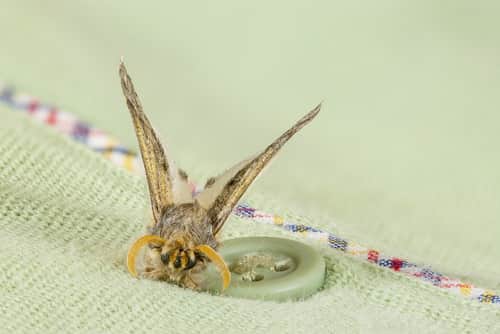
Part of the insect order Lepidoptera, there are an estimated 160,000 species of moths in the world. In the United States alone, it's believed that there are nearly 11,000 species of moths. A webbing clothes moth is a specific species that feeds on fabric, especially clothing.
What are webbing clothes moths?
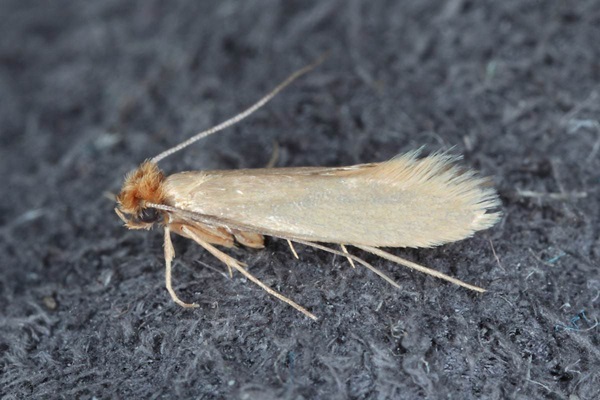
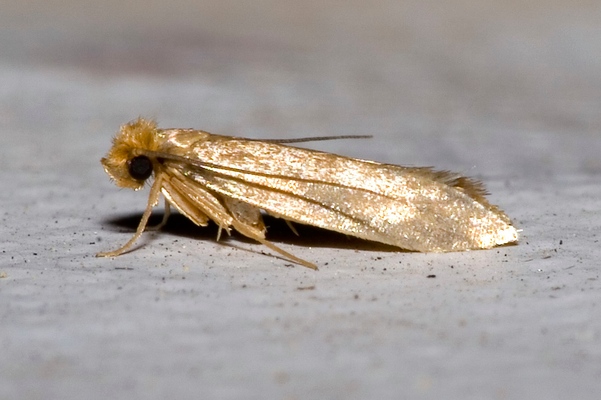
A webbing clothes moth is the most common fabric moth. About three-eighths of an inch long, adults are cream-colored with a tuft of red hair on the top of the head. While the adults don’t eat fabric, they will lay eggs that produce fabric-eating larvae. The eggs are white and so tiny that they are invisible to the human eye.
Once they hatch, the white larvae start off very small and can grow up to half an inch long. The moth larvae are especially attracted to carpeting and clothing that contains sweat or other liquids.
Clothes moth life cycle
Adult webbing clothes moths live for 15-30 days, with females laying about 40-50 eggs during that time. Eggs can hatch into larvae in as little as 4 to 10 days during warmer months and take up to 30 days in cooler months. Once hatched, the larvae feed on fabric and mature in about 35 days, depending on conditions like food availability and quality, temperature, and humidity.
Like other types of moths, clothes moths go through the pupation stage, which is the metamorphosis from larvae to adult. They grow adult structures such as their wings during this stage which can take anywhere from 8 to 40 days, depending on the temperature.
Signs of a webbing clothes moth infestation
Webbing clothes moths aren’t dangerous to humans, but they can cause a lot of damage to clothing and other fabric. Knowing the signs of a clothes moth infestation can help you avoid extensive damage to your property. Here’s what you should look out for:
Holes in materials and fabrics, or irregular surface damage not caused by natural wear due to regular or use.
Silken tubes hidden in clothing, like under shirt collars, or in cracks and crevices.
Webbing debris from cocoons on damaged materials and articles.
Live clothes moth larvae feeding on your clothing, carpets, stored materials, etc.
Granular frass (insect excrement) the size of ground pepper on fabric.
Where do webbing clothes moths come from?
Webbing clothes moths can make their way to your closet in a few different ways. They could hitch a ride on second-hand items like thrift store clothing, a consignment shop couch, or a yard sale blanket. They also travel by way of items kept in storage spaces, sheds, or garages and through small cracks and crevices in the home.
They can even just fly in through an open door or window or a damaged screen. A webbing clothes moth infestation may originate from bird nests or animal carcasses present in attics, chimneys, or wall cavities.
How to help get rid of webbing clothes moths in your home
If you notice the signs of webbing clothes moths in your home, there are a few ways to treat the problem. To reduce the population drastically, wash all clothing in your closet and in storage in hot water to kill off any eggs, larvae, and adult moths. Consider dry cleaning more delicate items or even putting smaller items in the freezer for a few days.
Clean out closets, dressers, and storage containers thoroughly before re-storing clothes and dispose of any items that are particularly damaged. If the infestation is extensive, an expert like Terminix can provide valuable support in fully eliminating the problem. Of course, avoiding a webbing clothes moth infestation from taking hold in the first place is ideal.
Prevention strategies can include:
Not storing boxes of clothes in the attic, garage or basement, if possible.
If clothing must be stored in boxes, thoroughly clean the boxes before storage and seal all corners and openings with tape. Use plastic boxes with lids, if possible.
Prior to storage, clean wool and natural fiber clothing according to the manufacturer's instructions.
In closets, store natural fiber clothing items by covering them with individual plastic covers.
Consider storing clothing in large-zippered plastic units.
Use mothballs to help deter fabric pests, but be aware that they may leave an odor that could require dry cleaning.