Indian meal moths
The Indian meal moth, known scientifically as Plodia interpunctella, is a common household moth notorious for infesting pantry goods. Despite their primary diet of grains – “Indian corn" or maize, these food moths are surprisingly versatile and can infest a wide variety of dry goods, including grains, nuts, cereals, and even pet food. The Indian meal moth has acquired various names over time, such as pantry moths, flour moths, or grain moths – names that hint at the pest's preference for stored food products. Despite these seemingly innocent nicknames, the presence of Indian meal moths can lead to significant food waste and contamination, making them a frustrating adversary for homeowners.
Identifying Indian meal moths
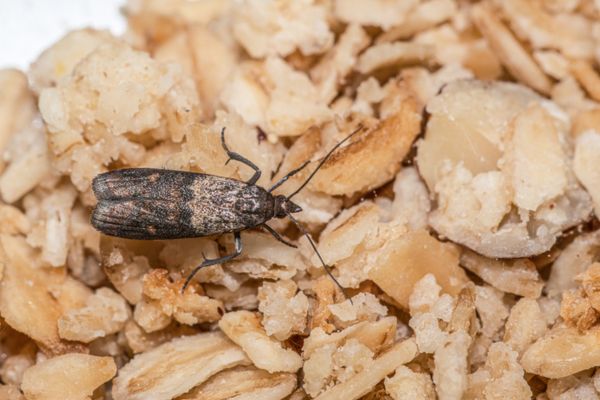
Indian meal moths can be easily recognized by their distinctive wing pattern. Their forewings are reddish-brown with a coppery sheen on the outer two-thirds and gray on the inner third. This color distinction is notable when the pantry moth is at rest, where they hold their wings in a roof-like position over their body, showcasing a wingspan of about three-fourths of an inch. In addition to their wings, Indian meal moths can be up to five-eighths of an inch long. The larvae are off-white with pink or green hues, depending on their diet. These caterpillar-like larvae spin silken threads as they move, leaving behind a noticeable webbing in infested food items.

Pantry moth life cycle
The life cycle of a pantry moth includes egg, larva, pupa, and adult. The cycle begins when a female moth lays eggs, preferably in food sources like grains or flour, making pantries ideal spots for infestation. The female food moth can lay 200-300 eggs over an 18-day period directly onto food. These eggs hatch into larvae, where they grow and molt several times, and under optimal conditions, this phase can last about six to eight weeks. Once they enter the pupa phase, they encapsulate themselves in a cocoon-like structure, often in crevices away from the food source. Finally, they emerge as adult pantry moths, starting the cycle over again. Adults live for a relatively short period, typically around one to three weeks or five to 25 days, feeding in your cupboard as they please.

How do Indian meal moths get into my home?
Indian meal moths often find their way into homes through infested food products. Usually, they are unknowingly brought into the home in groceries that contain grains, nuts, cereals, or pet food. They may also be brought in by rodents stashing food, or in some cases, they can fly into a home.
Indian meal moths are not particular to any one region but have spread globally, thanks to international trade and their adaptable nature. Though they are commonly found in homes, Indian meal moths can thrive in any environment that offers them access to food sources. These pantry moths are particularly attracted to the smell of grains and other stored food products. Once inside, they lay eggs in these food products, and the cycle of infestation begins.
Do pantry moths cause damage?
Pantry moths can cause significant damage to stored food when they infest your home, mostly by spinning large amounts of silk, which collects frass (fecal pellets), discarded skin, and eggshells in food. They also feed on the food that they infest, but the real damage is caused by their contamination. Although adult food moths don't feed, if you see winged moths in your pantry, it’s likely that grain-eating larvae are nearby.
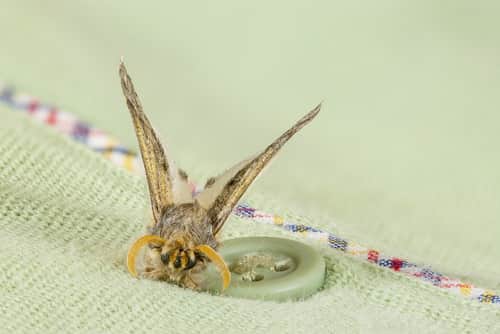
It's important to note that pantry moths have a different diet than other moth species that may infest clothing or fabrics. Unlike clothes moths, which feed on materials like wool, silk, or fur, pantry moths' feeding habits are strictly limited to dried food products.

How can I get rid of pantry moths?
Tackling a pantry moth infestation requires a proactive approach. Proper food storage, thorough cleaning, and inspecting food items before bringing them into your home can help prevent these pests from taking up residence in your pantry. It’s also a good idea to limit food purchases that cannot be used within two-three months.
With one of our PestFree365 plans, you can protect your home from pantry moths as well as up to 39 other common household pests.1 If you find yourself dealing with food moths in your home, it’s time to call in the experts at Terminix. Schedule your free inspection today.
1 Covered Pests defined in your Plan. Autopay is required. Voles and fire ants are only covered if they are in the home; we will not treat the lawn. Home must be free of bed bugs during initial service to qualify for bed bug coverage under PestFree365+ Plan. Single-family, free-standing, owner occupied homes only. Other limitations apply. See Plan for details. To see our Covered Pests, visit Terminix.com/pest-control/pestfree365.