

How to help get rid of moths
Moths, while seemingly harmless fluttering creatures, can wreak havoc on your belongings and even your health. These hungry creatures feed on natural fibers like wool, fur, and silk in your clothes, carpets, and other fabrics, leaving holes and causing them to look worn. They can also contaminate your food with their droppings and webbing, posing a health risk. If you suspect a moth infestation, it's essential to take action quickly. Keep reading to learn how to get rid of moths.
If you need to get rid of moths, contact Terminix moth control experts today!
Types of moths
Identifying the type of moth is crucial in battling an infestation effectively. Clothes and pantry moths, the two most common culprits, require different approaches. The faster you identify the culprit, the sooner you can implement a targeted plan for how to get rid of moths and save your belongings.
Pantry moths
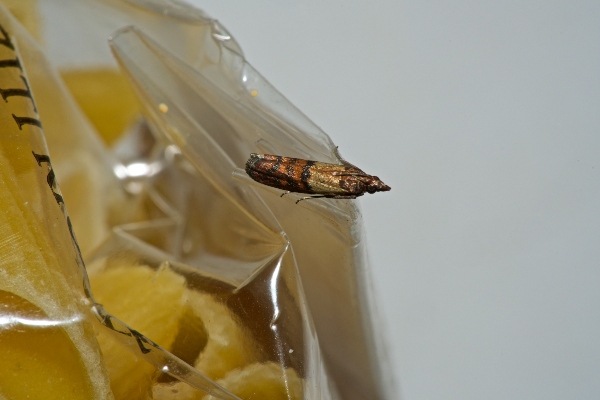
Pantry moths can be recognized by their distinctive wing pattern, where the front half of the wings is greyish-brown, and the rear half is reddish-brown or copper. They are most commonly found in kitchens and pantries, where they lay their eggs in crevices and cracks or directly into food sources. They are attracted to dry goods such as grains, nuts, flour, and cereals, but they can also infest pet foods and birdseed. Signs of pantry moths in your home include the sighting of adult moths flying around the kitchen or pantry, larvae or their silk webbing in food containers, and pupal cases in corners or hidden areas of your pantry. These pests are drawn to your home by the availability of food sources and can enter through improperly sealed windows and doors or be brought in unknowingly with groceries.
Clothes moths
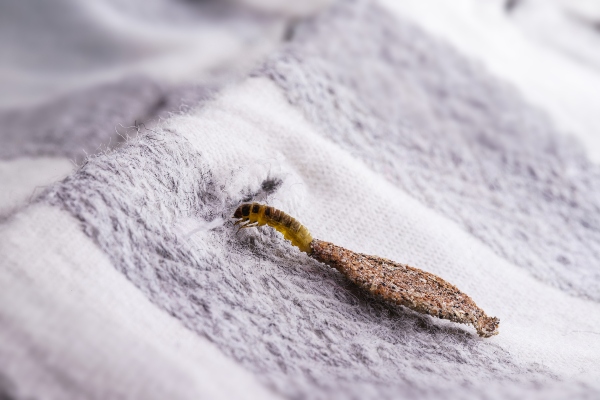
Clothes moths, typically small with a wingspan of around half an inch, exhibit a golden or buff color. Clothes moths prefer dark, undisturbed areas to lay their eggs on natural fibers, such as wool, silk, feathers, or fur. Signs of their presence include irregular holes in clothing or fabrics, silken tunnels or cocoons in the corners of drawers or cupboards, and the presence of tiny, cream-colored larvae. They are particularly attracted to spills, crumbs, exposed food, sweat, and body oils on clothes that are not regularly cleaned.
Tips to help get rid of moths from your house
If you’re struggling with how to get rid of moths in your home, there are a few key tips you can follow to help quickly keep these annoying insects away. These include keeping your house clean, sealing potential entry points, and using dehumidifiers to reduce moisture. In cases where the infestation is severe, it’s best to contact a pest control professional like Terminix!
Getting rid of pantry moths
Removing moths from your pantry requires a meticulous approach to ensure they don't return. Here are specific tips on how to get rid of moths from your pantry:
- Inspect and dispose: Begin by inspecting all food packages. Dispose of any infested items to prevent the spread of moths.
- Vacuum thoroughly: Use a vacuum cleaner to remove any moths, larvae, and eggs from the corners, shelves, and crevices of your pantry. Immediately dispose of the vacuum bag or clean the canister outside your home.
- Clean with vinegar: After vacuuming, wipe down all surfaces with a vinegar solution. Moths dislike the smell, and vinegar helps remove any pheromones left behind.
- Store food in airtight containers: Transfer grains, nuts, flour, and other dry goods into airtight containers. This prevents moths from accessing and infesting your food.
- Professional moth control: In cases of severe infestation, experienced pest control services can provide a quicker and more targeted solution for eliminating moths and their eggs.
Kicking moths out of your closet
Moths in your closet can spell disaster for your favorite clothes. Here are some tips for how to get rid of moths in your closet:
- Empty and clean your closet: Start by removing all items from your closet and place them in a sealed bag or container. Vacuum the closet thoroughly, paying special attention to corners and crevices where moths may lay eggs.
- Launder or dry clean clothes: Wash or dry clean all clothing, especially items made from natural fibers like wool, silk, or cotton, as these are preferred by moths.
- Use cedar blocks or cedar oil: Cedar can act as a natural deterrent. Place cedar blocks and balls, or hang cedar rings in your closet. Refresh them with cedar oil periodically to maintain their effectiveness.
- Freeze-infested items: For items that cannot be washed or are heavily infested, placing them in a sealed bag and freezing for at least 48 hours can kill moth eggs and larvae.
- Maintain cleanliness: Regularly vacuum and clean your closet space to prevent moths from returning.
- Hiring a professional moth control expert: Pest control professionals understand how to get rid of moths and can offer tailored solutions, advanced treatments, and peace of mind in protecting your closet and garments from moths.
How to help prevent moths from coming back
Preventing moths from infesting your home, pantry, and closets involves a combination of cleanliness, vigilance, and natural deterrents. Here are some practical tips for moth prevention:
- Vacuum and clean regularly to remove moth eggs and larvae, focusing on hard-to-reach areas.
- Store grains, nuts, flour, and cereals in airtight containers to prevent moth access.
- Use bay leaves, lavender sachets, or cedar blocks as natural moth repellents in pantries and closets.
- Seal cracks, holes, and gaps to block moth entry points, ensuring intact windows, doors, and screens.
- Clean and inspect clothing and fabrics before storage, particularly those made from natural fibers.
- Employ dehumidifiers in damp areas to deter moths in a less inviting environment.
- Consider ongoing pest control services for severe infestations or ongoing problems. At Terminix, our trained technicians know how to get rid of moths and can provide ongoing protection to prevent future infestations.
Get started with Terminix moth control services, or try our Terminix PestFree 365 pest control plan to keep your home protected from moths year-round!*
*Coverage includes: "House" Ants, Bird Mites, Indoor Ticks, Cockroaches, Carpet Beetles, Fabric Moths, Overwintering Insects, Ground Beetles, Centipedes, Crickets, Earwigs, Firebrats, Millipedes, Clover Mites, Pillbugs/Sowbugs, Psocids, Scorpions, Silverfish, Paper Wasps, Springtails, Spiders, Stored Product Beetles, Stored Product Moths, Mice, and Rats.