
Identifying and removing clothes moths
(Tineola Bisselliella)
Clothes moths (Tineola Bisselliella) are a type of fabric moth that feed on natural fibers, with an affinity for anything wool and cashmere. The adults lay eggs in clothing folds, pockets, under cuffs, and collars, and when the larvae hatch, they immediately start feeding.
Read on to find out more about clothing moths and how to identify and deal with an infestation.
Types of clothes moths
Like butterflies, moths are a type of winged insect from the insect order Lepidoptera. Up to 160,000 different types of moths can be found all over the world, but clothes moths are unique in their habitat and dietary preferences.
Two of the most common types of clothes moths include:
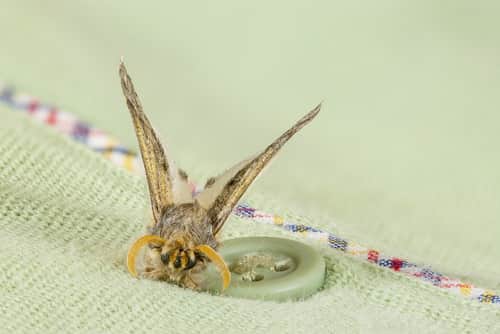
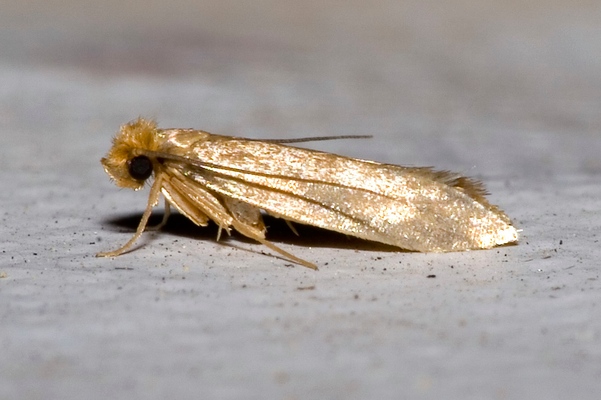
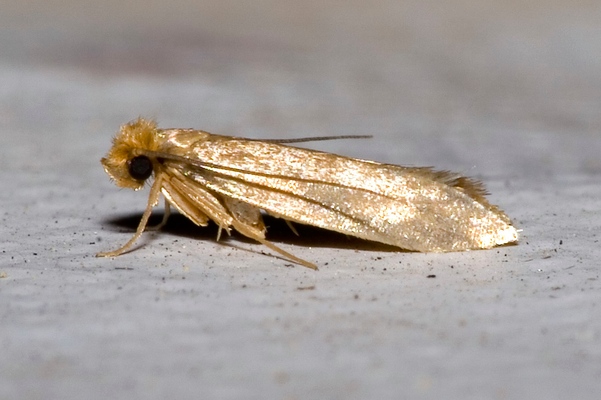
Webbing clothes moths: Cream-colored and about three-eighths of an inch long, with a tuft of red hair on the top of the head. The larvae of webbing clothes moths feed on anything from furs to carpet fibers to furniture upholstery.
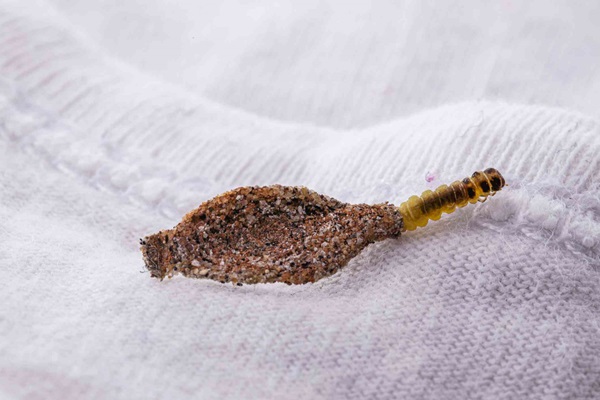
Casemaking clothes moths: Similar in size and appearance to the webbing clothes moths but more brownish with faint dark spots on their wings. The larvae of casemaking moths create silken tubes out of the fibers they feed on, such as cashmere, wool, and feathers which can be found in the folds and crevices of the clothing and fabrics they have infested.
The life cycle of clothes moths
Webbing clothes moths and casemaking clothes moths have a similar life cycle that includes egg, larvae, pupa/cocoon, and adult stages. Over the span of a few days, female adults lay anywhere from 40 to 100 clothes moth eggs that will hatch in 4-10 days.
As larvae, clothes moths are busy feeding on any fabric they can find, and this stage can last two months to up to two and half years.
Next, larvae will pupate for up to 50 days as they transform into adult moths and start the process all over again.
Where do clothes moths come from?
Clothes moths tend to stay confined near clothing where developing larvae have plenty to feed on. Clothing in storage tends to be the most vulnerable because it isn’t inspected, washed, or worn as often.
Clothes moths can enter your home by hitching a ride on thrifted clothing, blankets, and furniture. They can also find their way in like other insects—through cracks and openings in window and door frames. Once inside, they will look for upholstery, carpeting, drapes, closets, and storage areas that have plenty of fabric where they can live and feed undisturbed.
Signs of clothes moth damage and infestations
Clothes moths can cause a lot of damage to clothing and other fabric if left to their own devices. Knowing the signs of a clothes moth infestation can help you avoid extensive damage. Here’s what you should look out for:
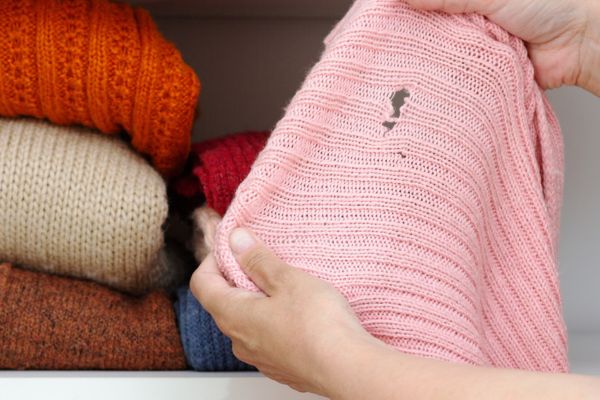
Moth holes in clothes and other fabrics; irregular surface damage not caused by natural wear due to regular or use.
Silken tubes hidden in clothing, like under shirt collars, or in cracks and crevices.
Webbing debris from cocoons on damaged materials and articles.
Live clothes moth larvae found on your clothing, carpets, stored materials, etc.
Granular frass (insect excrement) the size of ground pepper on fabric.
Preventing and getting rid of clothes moths
For effective long-term results, moth control strategies and prevention go hand in hand. To protect your clothing and other household fabrics, make sure to:
Inspect stored clothing at least once a year for moth larvae and any obvious damage. Discard anything that appears beyond repair because it might be harboring eggs and larvae that can spread to the rest of your clothing.
Clean out closets and drawers regularly to get rid of lint that larvae may be feeding on.
Vacuum rugs, carpets, drapes, upholstered furniture, and pet bedding regularly to catch any rogue eggs, larvae, or adults.
Clean clothing and fabrics in hot water before storing them. Consider dry cleaning if possible. Use garment bags for clothing, bedding, linens, and other fabrics.
Seal up any possible entry points around windows and doors.