

What are bird mites? How to identify bird mites
Bird mites are tiny creatures that, while often associated with birds, can find their way into human habitats. These pests belong to several genera, the most common being Dermanyssus and Ornithonyssus. Unlike regular mites, bird mites specifically target birds and their nesting areas, forming a parasitic relationship that provides them with the sustenance they need to survive. However, in the absence of their preferred hosts, they may turn to humans. Learn everything you need to know about these pests and what to do if you find bird mites in your house.
What do bird mites look like?
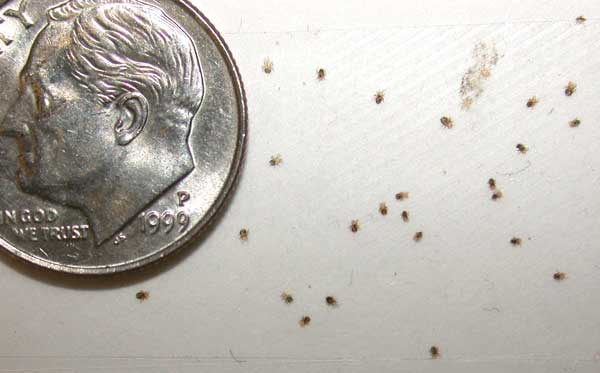
Bird mites are very tiny and barely visible to the naked eye. They have an oval-shaped body with a slightly pointed rear end and eight legs that allow them to move quickly across surfaces. Bird mites are typically white to grayish in color, though they can appear darker after feeding. Bird mites can live for several weeks, but without a host to provide blood meals, their lifespan is significantly reduced to merely a few days. The bird mites' lifecycle can be completed in as little as one week under optimal conditions, allowing populations to grow rapidly.

Bird mites vs. bird lice
Although bird mites and bird lice may prefer the same host, they are two completely different pests. Bird mites are the class of Arachnids with eight legs, while bird lice are insects with six legs. Their small size can make it difficult to tell them apart, which makes their behavior a key factor in their identification. Bird mites are temporary parasites that do not live long without their avian hosts but are known to feed on humans in their absence. On the other hand, bird lice spend their entire life cycle on the host, feeding on feathers and dead skin. They are less likely to bite humans and typically remain with their host bird.
Where do bird mites come from?
Bird mites can be primarily found in the nesting areas of birds, such as pigeons, starlings, sparrows, and poultry. They are associated with bird populations across various regions, meaning they can be found almost anywhere. If their preferred hosts are in short supply, bird mites may venture out into their environment in search of a new host. They can enter homes through small openings or cracks in the building structure, especially if there is a bird nest located in vents, eaves, or window ledges close to the house. Once inside, they may seek out new hosts, including humans, though they cannot sustain or reproduce without birds. Bird mites in the house typically remain close to food sources, making bedrooms a common hiding place.

Identifying bird mites bite
Typically, bird mite bites are small and red, often resembling other common insect bites. The skin around the bite can become inflamed, irritated, or itchy. Unlike some other parasites that can transmit various diseases, bird mites have not been proven to carry or spread pathogens that cause illness in humans. The primary health risk associated with bird mites for humans is the potential for allergic reactions in some individuals. If you believe you have been bitten by a bird mite, it’s best to consult a medical professional for treatment.
How to tell if you have bird mites
Due to their small size, knowing if you have bird mites in the house can be challenging. One telltale sign is spotting tiny, almost microscopic, insects, especially in areas near where birds nest, such as window ledges or attics. These pests are so small – often less than one millimeter in size – that they might just look like specks of dust moving across surfaces.
How to help get rid of bird mites
When tackling a bird mite infestation, it's best to start at the source. Removing bird nests once they have left the nest is the most important step to keep these pests out of your home. If they find their way inside, using an air conditioner or humidifier can help create an undesirable environment for them. You can also use a vacuum or sticky tape to capture bird mites that may be hiding inside. By following these tips, you can help eliminate bird mites in your house.