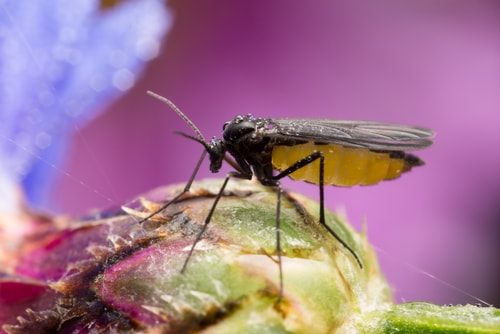
Flies
Fly sounds and communication
Learn about fly sounds and how the annoying buzzing they make is a key part of how flies navigate their world and communicate with each other.
Updated: May 22, 2025
Few sounds are as instantly recognizable and irritating as the house fly buzzing sound. Whether circling a room or landing on a surface, flies create noise with every wingbeat. Their buzzing plays a role in flight, interaction, and survival. But how do flies communicate? From wing vibrations to body movements, these insects use sound in fascinating ways.
The mechanics of fly sounds
Flies produce noise primarily through wing beats, generating the distinctive fly buzzing we associate with them. Unlike humans, who use vocal cords to create sound, flies rely on rapid wing movement and body vibrations to make sounds and communicate. When a house fly’s buzzing sound fills the air, it’s caused by the insect’s wings flapping at an incredibly high speed, often up to 200 times per second. This rapid motion creates vibrations in the air, which then make the familiar buzzing noise. The faster the wings beat, the higher the pitch of the sound.
Some species also use stridulation, a process where they rub body parts together to generate additional sounds. While less common in flies than in other insects, certain species, like tsetse flies or signal flies, may use this method to produce subtle clicking or scraping noises for communication.
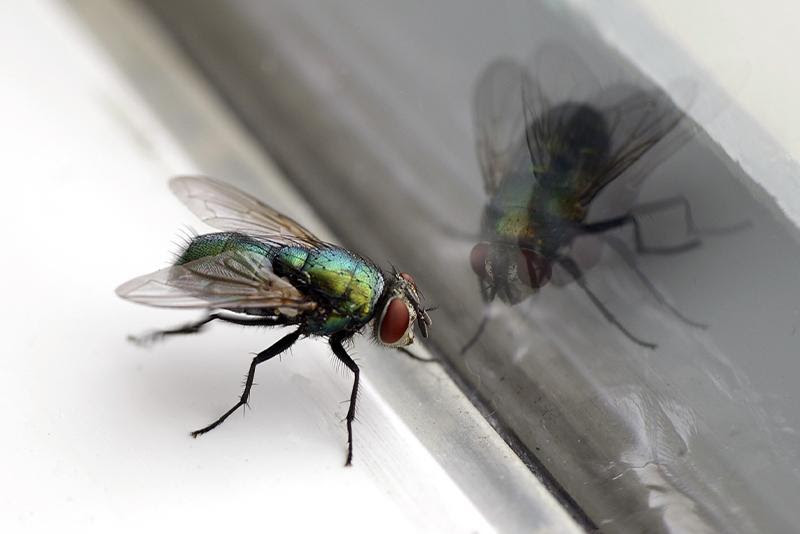
So why does a fly’s buzzing sound so loud? Since flies are small, their wings must beat quickly to generate enough lift for flight. This high-speed movement creates continuous vibrations, which amplify the sound. Additionally, when flies are trapped near hard surfaces like windows or walls, the buzzing can echo and seem even louder.
How flies communicate
Flies may not "speak" the way humans do, but they use vibrations, wing movements, and chemical signals to convey messages to each other. Their buzzing and body movements play a big part in their overall behavior.
- Mating calls: Males alter their flying sounds during flight to attract potential mates, adjusting their buzzing frequency to signal courtship.
- Territorial defense: Some fly species use buzzing to establish dominance or ward off rivals in contested spaces.
- Alarm signals: When threatened, flies may change their flight patterns or wingbeat frequency to alert others of danger.
- Response to sounds: While flies don’t have traditional ears, they can detect vibrations and air movement, helping them sense nearby threats or mates.
Because flies communicate through movement and sound, loud noises or rapid movements can startle them and cause them to fly erratically.
Hearing fly sounds?
If you’re constantly hearing fly buzzing sounds in your home, it likely means a fly has found its way inside. While their buzzing may be harmless, it can be annoying, especially if they persistently return to food, trash, or damp areas. Here are some steps you can take to help prevent house flies:
- Seal entry points: Close gaps around doors and windows to prevent flies from sneaking inside.
- Eliminate food sources: Flies are drawn to overripe fruit, garbage, and spills, so keeping food stored properly is important.
- Use fly traps: A fruit fly trap or sticky traps can help capture flies already indoors.
- Maintain clean drains: Moist, organic buildup in drains can attract flies, so regular cleaning is essential.
- Consider fly prevention methods: Keeping surfaces clean and using repellents like citronella or essential oils can help deter flies.
Even though fly sounds may be a minor annoyance, they often signal a bigger issue, like an infestation or at least an attractant nearby. Taking action with DIY fly prevention tips like sealing entry points, maintaining a clean environment, and using traps can help control and get rid of flies. With the right approach, you can protect your home from flies and their not-so-nice buzzing sounds.