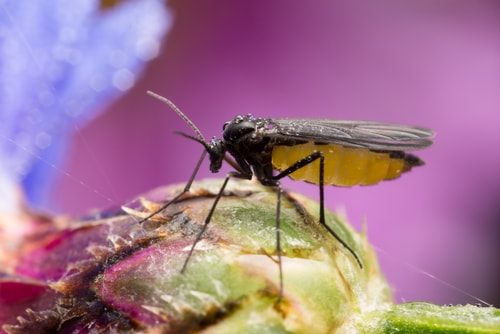
Flies
When is fly season?
If you think flies just vanish when the weather gets colder, think again. Learn when fly season peaks, where flies go in the winter, and how to keep them from taking over your home.
Updated: May 22, 2025
As temperatures rise, so does fly activity. Whether they’re buzzing around your home, gathering near garbage bins, or invading outdoor spaces, flies are most noticeable when the weather is warm. But where do flies go in the winter when the buzzing stops? Flies have different strategies for surviving seasonal changes, and their activity levels depend on temperature, humidity, and food availability. Knowing when flies are most active and when to expect fly season can help you prepare before an infestation starts.
When are flies the most active?
Flies thrive in warm and humid conditions, and they are most active in most parts of the U.S. from late spring through early fall. Their activity peaks during the hottest months and temperature and food availability play a big role in their presence.
Here’s a quick breakdown of fly activity by region:
- Northeast: Fly activity starts in April and peaks in the summer months before declining in October as temperatures drop.
- South: With a warmer climate, flies are active almost year-round, but their peak season runs from March through November.
- Midwest: Flies emerge in May and remain active until the first frost, typically in October or early November.
- West Coast: Milder weather means flies are active for most of the year, but their highest numbers occur between April and October.
Fly activity can also depend on the type of fly. Here’s a look at the peak activity seasons for the most common types of flies:
- House flies: Most active in spring and summer, especially in urban areas where food waste is present.
- Fruit flies: Peak during late summer and fall when overripe fruit and fermenting liquids are more common.
- Gnats: Thrive in spring and summer, particularly near standing water and damp soil.
- Horse flies: Appear in mid to late summer, often near livestock, ponds, and wooded areas.
Certain weather conditions also contribute to increased fly activity. Warm, humid days create ideal breeding conditions, while rain and moisture attract flies by providing access to food and egg-laying sites. Increased human activity, such as outdoor cooking and food waste disposal, can also make flies more persistent.
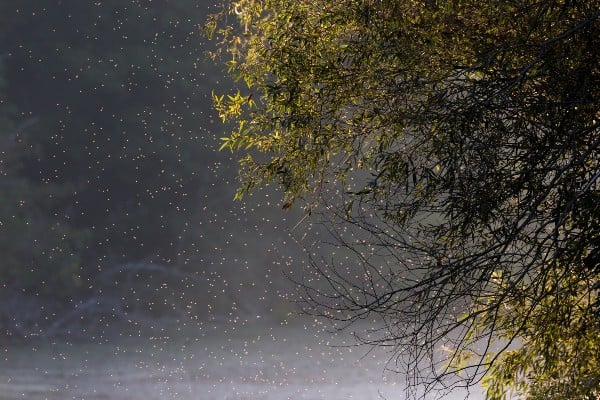
Where do flies go in the winter?
When temperatures drop, flies don’t simply disappear, they enter survival mode. Some species die off, while others seek shelter in warm, protected areas to wait out the colder months.
Hibernation and dormancy: Certain fly species, like cluster flies, enter diapause, which is a hibernation-like state where their metabolism slows down until temperatures rise again. They often hide in attics, basements, and wall voids to escape the cold.
Indoor infestations: House flies and fruit flies may survive the winter by taking refuge inside homes, where they can continue to feed and reproduce if conditions are right.
Egg and larval survival: Instead of overwintering as adults, some flies survive as eggs, larvae, or pupae in organic material like soil, compost, or garbage. When warmer weather returns, these dormant stages complete their development, leading to a sudden fly resurgence in the spring.
Even during the colder months, flies can still be a problem, especially if they find their way indoors. Preventing them from establishing a winter hideout can make the fly season easier to manage when temperatures rise again.
How to prepare for fly season
Flies are easiest to control before their populations explode. Taking preventative measures before fly season starts can help reduce infestations.
- Seal entry points: Close gaps around doors, windows, and vents to prevent flies from sneaking inside.
- Eliminate food sources: Store food in sealed containers, take out the trash regularly, and wipe up spills immediately.
- Clean drains and garbage bins: Flies lay eggs in organic buildup, so keeping these areas clean can prevent infestations.
- Use fly traps: Setting up fly traps before peak season can help capture flies before they multiply.
- Maintain outdoor spaces: Cover trash bins, remove standing water, and trim vegetation where flies may breed.
All of these steps can significantly reduce fly populations before they become overwhelming. If you’re interested, take the time to learn more about getting rid of flies or DIY methods to help keep your home protected during fly season.