Flies
What are flies good for?
Content Updated: February 26th, 2025
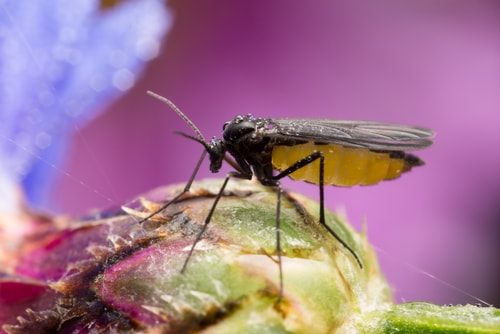
So, what is a fly? These tiny insects are known for their unique behaviors, incredible flying abilities, and importance in nature. Flies often get a bad rap, but they actually play a vital role in our ecosystem. From helping to break down organic matter to serving as food for other animals, flies contribute significantly to our environment. Keep reading to explore more interesting facts about flies, their origins, and why these tiny insects are more than just a nuisance.
A quick history of flies
Have you ever wondered where do flies come from? They belong to the insect order Diptera, just like mosquitos. They're ancient insects that have been flying around and adapting to different environments for a long time. That’s the reason you see so many different kinds of flies today. Their origins can be traced back to the Paleozoic Era, with the earliest known fly fossils dating to the Permian period, almost 300 million years ago!
The fly eating habits
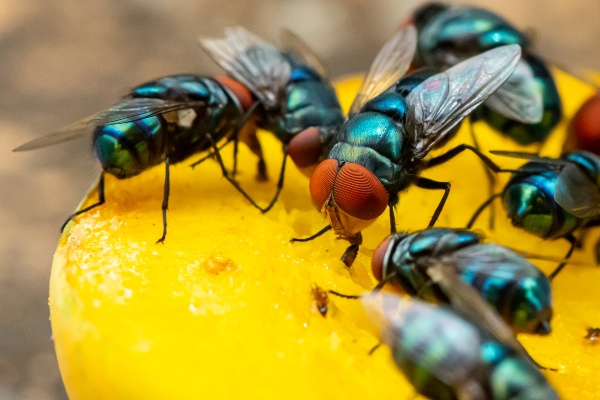
When a fly lands on a food source, it secretes digestive enzymes onto the surface to break down the organic matter, allowing it to absorb the nutrients. This process can appear as if the fly is throwing up, as it regurgitates some of its previously digested food to aid in consuming new meals. After digesting their food, flies produce waste, sometimes seen as tiny dark specks on surfaces where they have fed. These are just a few intriguing facts about flies that highlight their role in the ecosystem, as their digestion and waste contributions help break down organic material in the environment.
Excellent fliers
A common question about these pests is, “What are flies good for?” Well, besides being a nuisance to us, they're actually quite impressive in the air. They're incredibly agile and can perform amazing maneuvers. They can hover in place, fly backward, and even make sharp turns at high speeds. Their small size and lightweight bodies allow them to avoid getting hit easily by navigating through tight spaces.
Weird fly behaviors
To understand what a fly is, it's essential to know its unique characteristics and behaviors. For instance, many species engage in social interactions, particularly during mating seasons. Males gather to attract females with vibrant colors and agile flights. Flies can also learn and associate specific scents with food sources, allowing them to remember and return to these locations.
One fact about flies is that many species of this pest mimic other insects. Hoverflies, for example, often look like bees or wasps, enabling them to avoid predators. These flies get their name from their behavior – they are usually seen hovering in midair like small, living helicopters.
Flies in science
Flies have played a significant role in science, particularly genetics and biology. One of the most famous species used in research is the fruit fly, scientifically known as Drosophila melanogaster. Researchers have found that fruit flies share roughly 60 percent of their DNA with humans making these tiny insects beneficial for studying the basic principles of heredity and development. Because of their short life cycle and ability to produce many offspring, scientists can easily observe genetic changes over generations in a short period of time. So, when we ask, "What are flies good for?" it's clear that their contributions to science have significantly advanced our knowledge in many fields, including medicine and genetics.
The benefits of flies
Now that you know what a fly is, let’s review some of these pests' benefits. Flies play an essential role in the environment, acting as both decomposers and food sources within the ecosystem. Their eating habits, where they break down organic material, help recycle nutrients back into the soil, making them valuable for maintaining healthy ecosystems. Flies are also key players in the food chain, as they serve as a food source for many animals, including birds, bats, and larger insects.