Flies
Tips to help get rid of flies
You swat, but they dodge. You set out traps, but they keep coming back. Flies are persistent pests that invade kitchens, hover around drains, and seem impossible to eliminate. Beyond their annoyance, flies can carry bacteria and contaminate food, making them a health risk. Knowing what attracts them and using the right control methods is key to protecting your home.
What causes flies in your home?
Flies don’t just appear out of nowhere—they’re drawn to specific conditions. Flies are attracted to food, moisture, and organic waste, making kitchens, trash cans, and drains prime targets for infestations.
Here are the most common types of flies that are likely to invade your home:
House flies: They are found near garbage, food scraps, and pet waste.
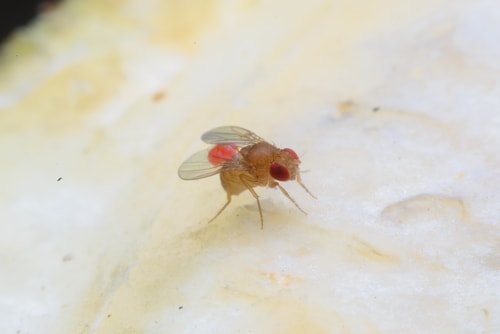
Fruit flies: Fruit flies swarm around overripe fruit, sugary spills, and fermenting liquids.
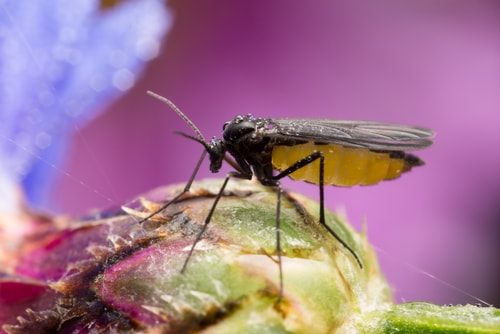
Gnats: Gnats thrive in damp soil, standing water, and overwatered houseplants.
Drain flies: These flies breed in pipes and drains with organic buildup.
A fly infestation can escalate quickly due to their rapid fly life cycle. House flies, for example, can lay up to 150 eggs at a time, with larvae hatching within 24 hours. This means that within just a few weeks, hundreds of new flies could emerge if conditions remain ideal.
DIY-ing fly control
While professional pest control is the most effective long-term solution, there are DIY fly control methods that can help manage minor infestations:
Fly traps: Sticky traps or homemade vinegar traps can capture adult flies.
Bug light traps: These attract flies using UV light and trap them inside.
Natural repellents: Essential oils like citronella, lavender, and peppermint can help keep flies away.
Sanitation measures: Keeping your home clean and eliminating food sources is key to reducing fly activity.
While DIY fly control methods can help manage smaller infestations, they work best when combined with proper sanitation and preventative measures. If flies continue to return despite your efforts, it may be time to consider more comprehensive solutions.
How to get rid of fruit flies
Fruit flies are one of the most common household pests, often appearing near produce, trash bins, or drains. They tend to swarm around and crawl on things they are breeding in. Since fruit flies are drawn to fermenting foods and sugary liquids, you need to eliminate any trace of these since they are breeding sources. If you want to get rid of fruit flies in your home, here’s what you can do:
In the kitchen: Throw away overripe fruit and wipe down counters to remove sticky residues. Rise soda and beer cans before recycling them inside.
In the drain: Pour bleach down the drain to break down organic buildup where fruit flies may lay eggs. Ensure the bleach is diluted and not left in the drain trap to avoid pipe damage. Use ice cubes in your disposer to clean food debris, and clean the rubber splashguard gasket to remove biofilm buildup.
In the bathroom: Use bleach-based cleaners in sinks, bathtubs, and trash bins to eliminate lingering attractants.
When using bleach and other cleaning products, be sure to follow the instructions on the label. When you’re done, ventilate the area to help prevent breathing problems that can come from inhaling fumes.
Getting rid of fruit flies requires removing their breeding sources and maintaining a clean environment. Once their food supply is gone, their population will quickly decline. However, infestations that don’t seem to die down may need additional treatments or professional intervention.
How to get rid of drain flies
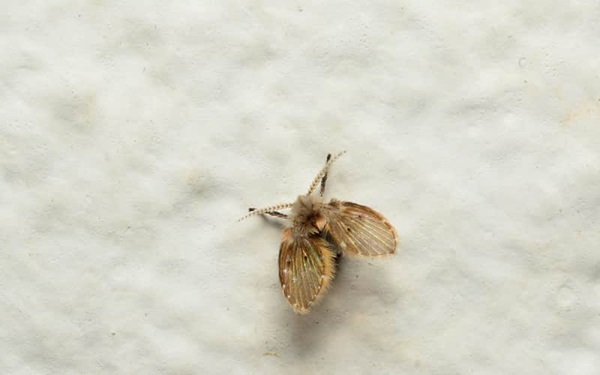
Drain flies, also known as moth flies, breed in moist organic matter that builds up inside pipes. These tiny, furry winged insects often appear near sinks, tubs, and floor drains. If you’re looking for ways to get rid of drain flies, here’s what you can do:
Clean your drains: Use a drain cleaner or boiling water to break down sludge and bacteria where they breed.
Remove standing water: Fix leaks and empty areas where moisture collects.
Use a drain brush: Scrubbing the inside of your pipes can help remove fly eggs and larvae.
Because drain flies breed inside pipes, getting rid of them involves more than just swatting the ones you see. Regular drain maintenance and moisture control are key to keeping them from returning and preventing future infestations.
Fly prevention tips
Getting rid of flies is one thing, but keeping them from coming back requires ongoing prevention. Since flies are attracted to food, moisture, and organic waste, taking steps to eliminate attractants can help keep them out of your home. Regular pest control from professionals at Terminix can also provide valuable advice on home maintenance and prevention strategies to help reduce fly activity and minimize future infestations.
Sanitation and hygiene
A clean home is the first line of defense against flies. Since flies are attracted to decaying matter and food scraps, maintaining good hygiene is essential.
Regularly clean surfaces to remove food residue and sticky spills that flies feed on.
Wash dishes promptly and avoid leaving dirty dishes in the sink overnight.
Take out the trash frequently, ensuring bins are sealed to prevent flies from laying eggs inside.
Deep clean drains and garbage disposals, as flies often breed in leftover organic material trapped in pipes.
Food storage
Flies can quickly infest unsealed food sources, especially sweet and fermented items. Proper food storage can significantly reduce their presence indoors.
Store food in airtight containers to keep flies out.
Keep fruit covered or refrigerated to prevent attracting fruit flies.
Clean up crumbs and food debris around kitchen appliances and under furniture where food particles may accumulate.
Water sources
Since flies need moisture to breed, reducing excess water in and around your home can help limit their numbers.
Empty pet water bowls daily and avoid leaving standing water indoors.
Fix leaky faucets and eliminate excess moisture in sinks, basements, and bathrooms.
Clean drains often to remove organic buildup that attracts drain flies.
Avoid overwatering houseplants.
Maintaining good hygiene, securing food sources, and controlling moisture levels can significantly reduce fly populations and prevent future infestations. Professional pest control services can help provide long-term solutions for persistent fly problems.