Horse flies (Tabanidae)
Quick, relentless, and equipped with painful bites, horse flies are more than just an annoying pest. Learn what attracts them, how they bite, and how to keep them away.
If you've ever been outdoors on a warm day and suddenly felt a sharp, stinging bite, you may have encountered a horse fly (Tabanidae). Also known as "clegs" or "gadflies," these aggressive blood-feeding insects are notorious for their painful bites and persistent nature. Unlike other flies that simply annoy, horse flies can pose health risks, transmit bacteria, and even impact livestock and pets.
The name horse fly comes from their tendency to target large mammals, including horses, cattle, and even humans. Found worldwide, they are especially common in warm, humid environments near water sources where they breed. Knowing about the horse fly's lifespan, behaviors, and what attracts them is key to avoiding their bites and preventing infestations.
Jump to section:
Identifying horse flies
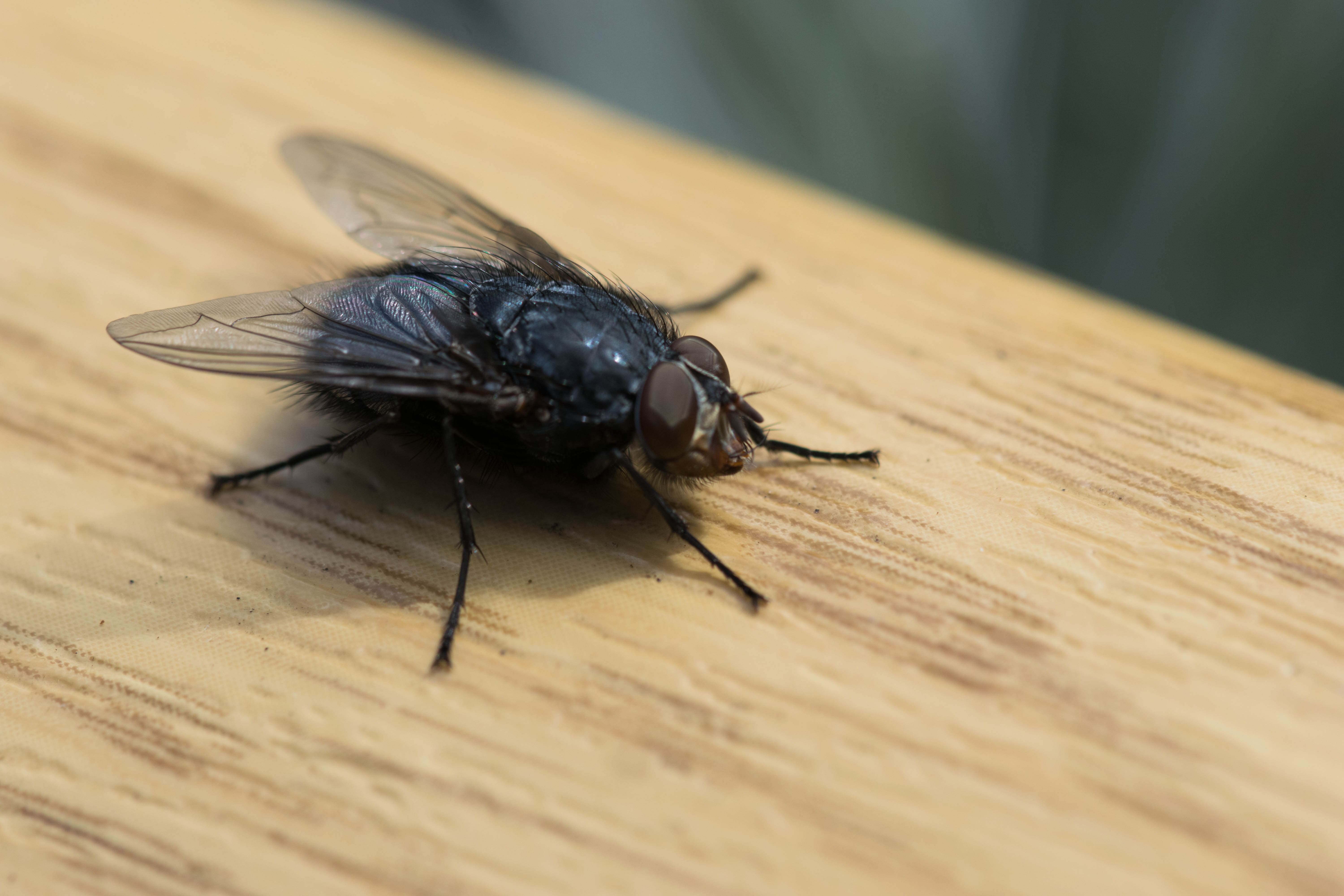
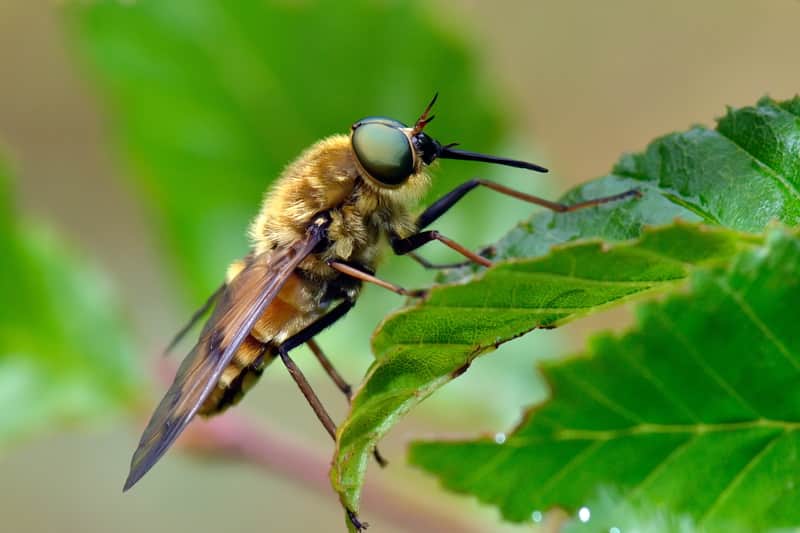
Horse flies are some of the largest and most aggressive biting flies, making them easy to recognize. Their sharp mouthparts, large eyes, and strong flying ability set them apart from other flies.
Size and appearance: Horse flies are much larger than house flies, ranging from three-eights of an inch to over one inch in length.
Distinctive features: Their large, brightly colored compound eyes, short antennae, and razor-sharp mouthparts make them highly efficient blood feeders.
Speed and strength: These flies are strong, fast fliers that can chase down their hosts, making them hard to escape.
Color variations: Depending on the species, they can be black, gray, brown, or yellow, often with striped bodies or patterned wings.
Preferred environments: Horse flies thrive in warm, humid climates and are commonly found near lakes, rivers, wetlands, and grassy fields where their larvae develop.
Their aggressive feeding behavior makes them one of the most bothersome biting flies to both humans and animals. Recognizing their distinctive features can help you avoid them and take preventive measures to reduce their presence around your home.
Horse flies vs deer flies
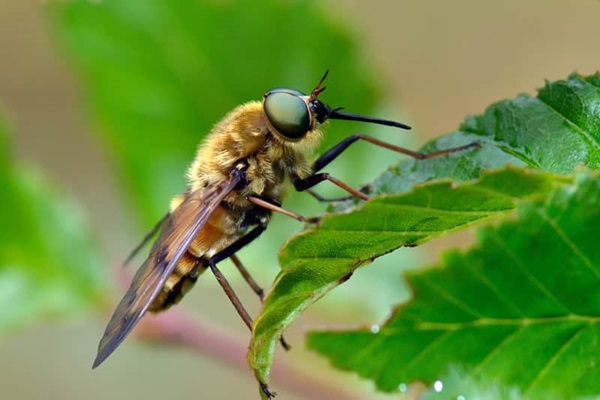
Although horse flies and deer flies are part of the same Tabanidae family, they have some key differences that make them easy to tell apart:
Size: Horse flies are generally larger and bulkier, while deer flies are smaller and more slender.
Markings: Deer flies often have bright, patterned wings, whereas horse flies typically have clear or dark wings.
Biting behavior: Horse flies are more aggressive and prefer to bite the lower body, while deer flies usually target the head and neck.
Speed: Both are strong fliers, but horse flies tend to be faster and more annoying.
Both species rely on blood meals for reproduction, making them highly active during warmer months. Whether you're dealing with horse flies or deer flies, protective clothing and repellents can help minimize your chances of getting bitten.
Horse fly lifespan and life cycle
Unlike many other fly species, the horse fly's lifespan is relatively long, with their complete life cycle taking several months to over a year. Like other flies, they still go through four distinct stages during their lifespan:
Eggs: Female horse flies lay 100 to 1,000 eggs on leaves, plants, or damp soil near water sources. Eggs hatch within a few days.
Larvae: These worm-like larvae develop in mud, water, or decaying vegetation, where they prey on smaller insects. This stage can last several months to a year.
Pupae: The larvae transform inside a protective casing for one to three weeks before emerging as adults.
Adults: Adult horse flies live for 30 to 60 days, during which females must consume blood meals to reproduce.
Because they reproduce in large numbers and take time to develop, their populations can grow quickly if breeding sites remain undisturbed.
Horse fly bites
One of the things horse flies are well known for is their biting. Horse fly bites are painful and irritating, often more severe than mosquito bites due to their scissor-like mouthparts that slice through the skin.
How they bite: Unlike mosquitoes, which pierce the skin with a needle-like proboscis, horse flies cut into the skin and lap up the blood. This results in immediate pain, redness, and swelling.
Are they dangerous? Horse flies can transmit bacteria and parasites from one host to another, increasing the risk of infections from their bites.
Livestock impact: These flies are a major problem for horses, cattle, and other large animals. Frequent biting can lead to blood loss, stress, and disease transmission, affecting their overall health.
If you experience a horse fly bite, washing the area with soap and water and applying an antihistamine cream can help reduce swelling and irritation. Taking certain measures can help you avoid these aggressive pests and keep you safe from getting bitten.
What attracts horse flies?
Horse flies are relentless hunters drawn to warm-blooded animals and environmental factors that support their breeding and feeding habits. Their highly sensitive vision and ability to detect body heat and movement make them difficult to avoid.
Heat and movement: These flies target warm, active hosts, such as people and animals engaging in outdoor activities. The more you move or sweat, the more attractive you become to them.
Dark colors: Research suggests that horse flies are more attracted to dark-colored clothing and animals with dark fur, as these shades absorb heat more effectively.
Moisture and water sources: Since horse fly larvae develop in muddy or wet environments, they are more common near lakes, ponds, rivers, and marshes.
CO2 and odors: Carbon dioxide released through breathing and body heat, along with certain scents like sweat and perfume, signals a potential host, drawing flies in for a meal.
Sudden infestations are often linked to nearby breeding sites, particularly in humid or rural areas where horse flies thrive. If you notice an increase in these pests, it may be due to standing water, decaying vegetation, or an uptick in warm-weather activity.
How to help get rid of horse flies
Because horse flies are strong, fast, and aggressive, getting rid of them requires a combination of control strategies. While some methods offer temporary relief, long-term solutions focus on eliminating breeding grounds and using protective measures.
If you see horse flies in or around your home, here are some steps you can take immediately to help get rid of them.
Use fly traps: An indoor fly trap can capture flies that enter homes, while outdoor traps help reduce populations in high-activity areas.
Try a light zapper: A light zapper for bugs attracts and eliminates flies, especially at night when they rest near light sources.
Wear protective clothing: Light-colored clothing and covering exposed skin can make you less appealing to horse flies and reduce bites.
For long-term horse fly prevention tips, here are some actions you can take to help keep yourself protected:
Eliminate breeding areas: Reduce standing water, clear overgrown vegetation, and remove decaying organic matter where horse flies lay eggs.
Use repellents: Sprays containing DEET, citronella, or permethrin can help keep flies from landing and biting.
Use natural repellents: Fly light traps, fine-mesh screens on windows, and properly sealed barns or stables can help prevent infestations.
Because horse flies are persistent and difficult to control, using multiple methods together is the best approach for long-term prevention. For more fly removal tips, or professional help, the experts at Terminix can help.