Flies
What diseases can flies spread?
Content updated: April 16, 2026
Key takeaways
- Flies can spread disease when they pick up bacteria, viruses, or parasites from waste and decaying matter and transfer those germs to food or surfaces inside your home.
- While many fly species spread disease mechanically by landing on food and kitchen areas, others transmit pathogens biologically through bites.
- Diseases transmitted by flies include Salmonella, E. coli infections, dysentery, and cholera.
- House flies, fruit flies, and biting flies vary in their potential to carry and spread disease, but all can pose health concerns in certain conditions.
- To help reduce the risk of flies spreading diseases in your home, keep food covered, take out the trash regularly, fix leaks, and seal windows and doors.
Did you know that flies can carry bacteria and spread diseases every time they land? Learn how these pests can put your health at risk and what you can do to stop them.
People often think of flies as simple household pests, but they can actually pose serious health risks. Since they breed in unsanitary conditions and move freely between waste, food, and surfaces, flies are a major health concern. Do flies carry disease? Absolutely. From foodborne illnesses to parasitic infections, the diseases transmitted by flies can affect both people and pets, making proper fly control essential.
How flies can spread disease
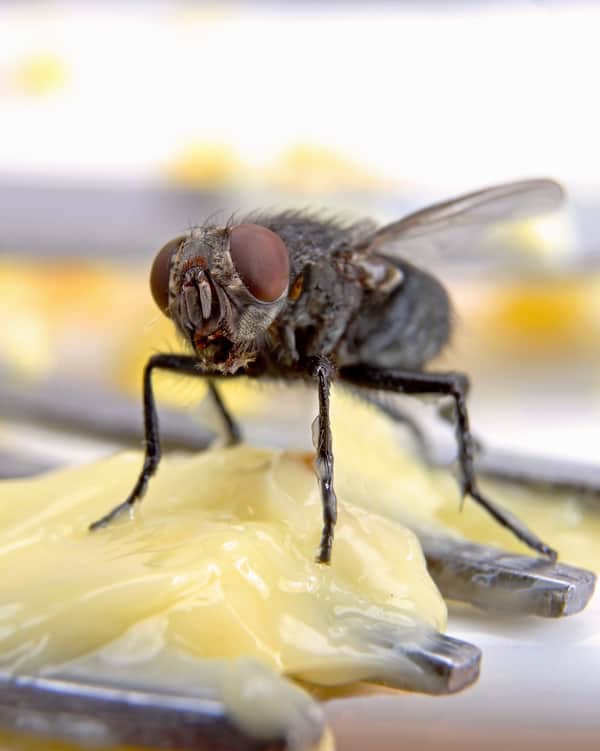
Flies transmit disease in two primary ways: mechanical transmission and biological transmission. Mechanical transmission occurs when flies physically transfer bacteria, viruses, and parasites from contaminated surfaces to food, utensils, or human contact points. This happens when they land on feces, garbage, or decaying organic matter, where pathogens cling to their legs, body hairs, and mouthparts. When they later land on food, kitchen counters, or dining areas, they leave behind these microorganisms, potentially causing illnesses such as food poisoning, dysentery, and cholera.
Biological transmission, on the other hand, is a more direct and dangerous method of disease spread, where the fly itself acts as a host for a pathogen or parasite. In this process, disease-causing organisms develop inside the fly’s body, often within its digestive system or salivary glands. When the fly bites a human or animal, it injects the pathogen into the bloodstream, directly infecting its host.
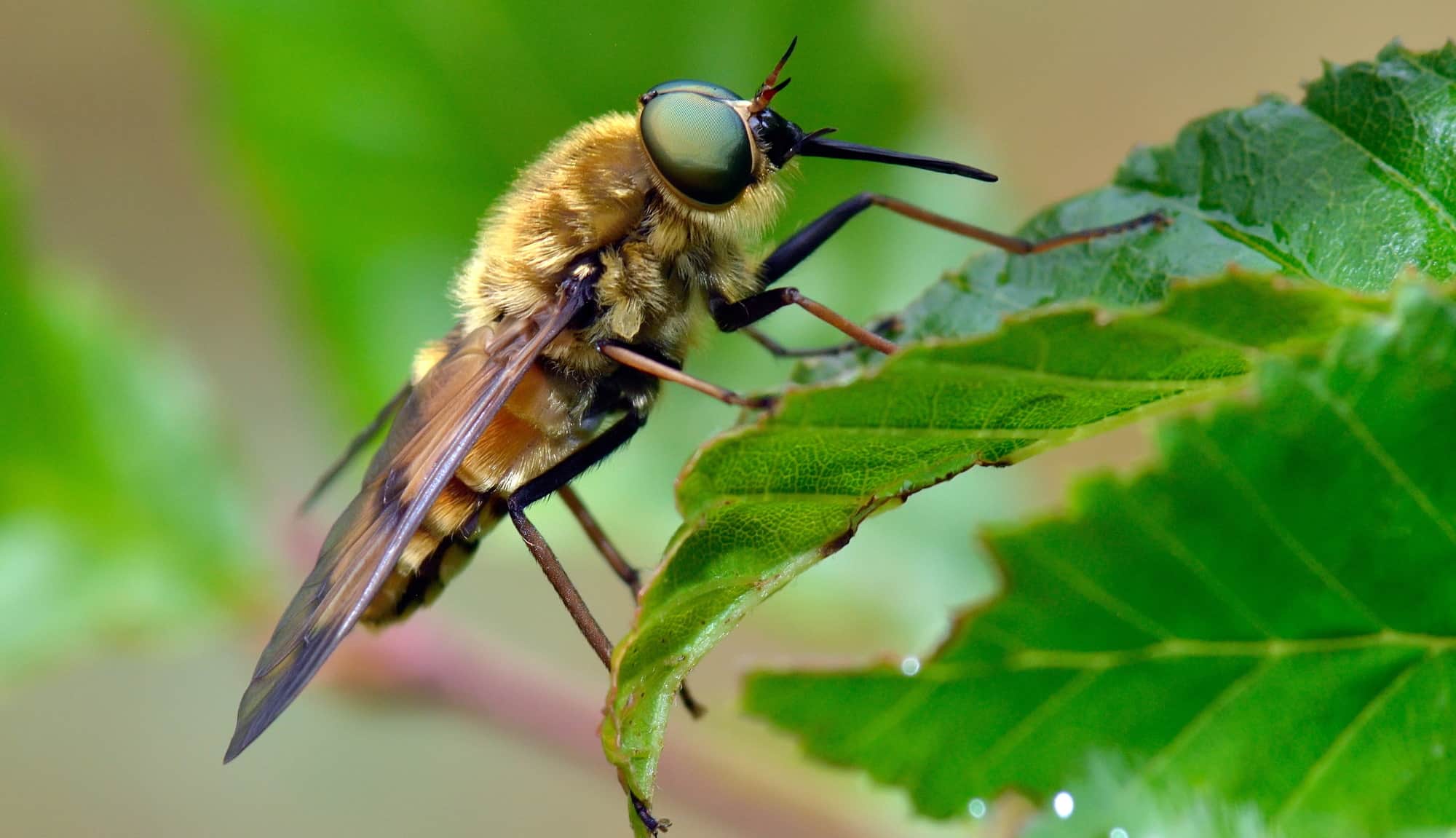
Unlike mechanical transmission, which happens passively, biological transmission involves the fly actively spreading disease through biting. This makes biting flies, like horse flies, some of the most dangerous insect vectors in the world.

Types of flies and their potential to carry diseases
Different fly species vary in their ability to carry and spread disease. While some primarily contaminate food and surfaces, others transmit illnesses through direct bites.
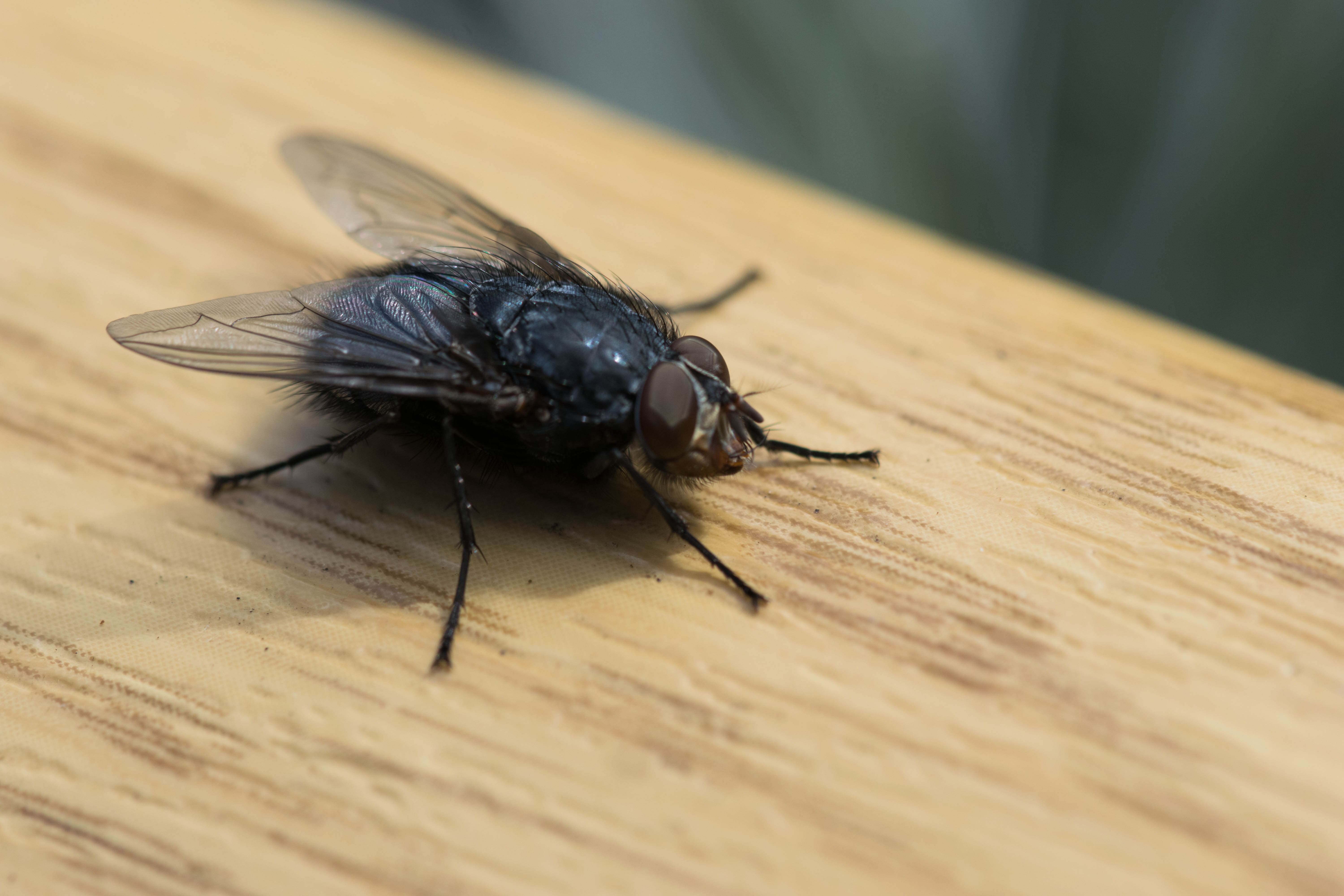
- House flies: These pests are common carriers of bacteria like Salmonella, E. coli, and Shigella. They are known to spread diseases such as typhoid, dysentery, and cholera, making them one of the most problematic flies for human health.
- Fruit flies: Though they do not bite, fruit flies can carry bacteria that contribute to foodborne illnesses by contaminating produce. Their rapid reproduction makes them difficult to control in kitchens and food storage areas. Invasive fruit flies can also carry bacteria and pathogens from other parts of the world.
- Tsetse flies: Native to Africa, tsetse flies transmit African trypanosomiasis, or sleeping sickness, which is a potentially fatal disease.
- Mosquitos:While not technically flies, mosquitoes are closely related and are some of the most dangerous disease vectors in the world. They spread malaria, dengue, Zika, and West Nile virus.
- Gnats: Certain gnat species can transmit parasites and bacteria, though they are generally less of a health risk than house flies or mosquitoes.
Flies don’t need to bite to be dangerous. Their ability to carry and spread harmful bacteria, viruses, and parasites makes them one of the most significant public health pests worldwide.
Fly prevention and control methods
Since flies carry disease, keeping them out of your home is the best way to reduce the risk of contamination. Simple preventative steps can make a big difference in reducing fly populations.
- Keep food covered: Store produce in sealed containers and clean up food scraps immediately.
- Eliminate standing water: Remove breeding sites by fixing leaks, clearing gutters, and emptying pet water bowls regularly.
- Dispose of trash properly: Keep garbage bins closed and take out the trash frequently to prevent flies from laying eggs inside.
- Use fly traps and barriers: Installing window screens and setting up fly traps can help catch flies before they become a problem.
- Regular cleaning: Wipe down counters, clean drains, and disinfect surfaces where flies could land.
Getting rid of flies and preventing them from coming back is the best way to protect your home from harmful bacteria and potential disease transmission. With proper sanitation and preventative measures, you can reduce the risks associated with flies and the diseases they spread.