Flies
What are maggots, and how to deal with them
Learn more about baby flies and how to get rid of maggots.
Content Updated: November 12, 2025
Key takeaways
- Maggots are the larval form of flies. They hatch from eggs before pupating and turning into adults.
- Flies lay eggs in ideal breeding grounds that offer plenty of bacteria for maggots to feed on.
- Maggots are small and typically white in color. Due to their size, they can be harder to spot than adult flies.
- If you see maggots, it’s best to act as soon as possible—you'll have your best chances at controlling fly populations in your home if you do.
Jump to section:
- Where do maggots come from?
- What do fly eggs and maggots look like?
- How do maggots fit into the fly life cycle?
- What should you do if you see baby flies or maggots?
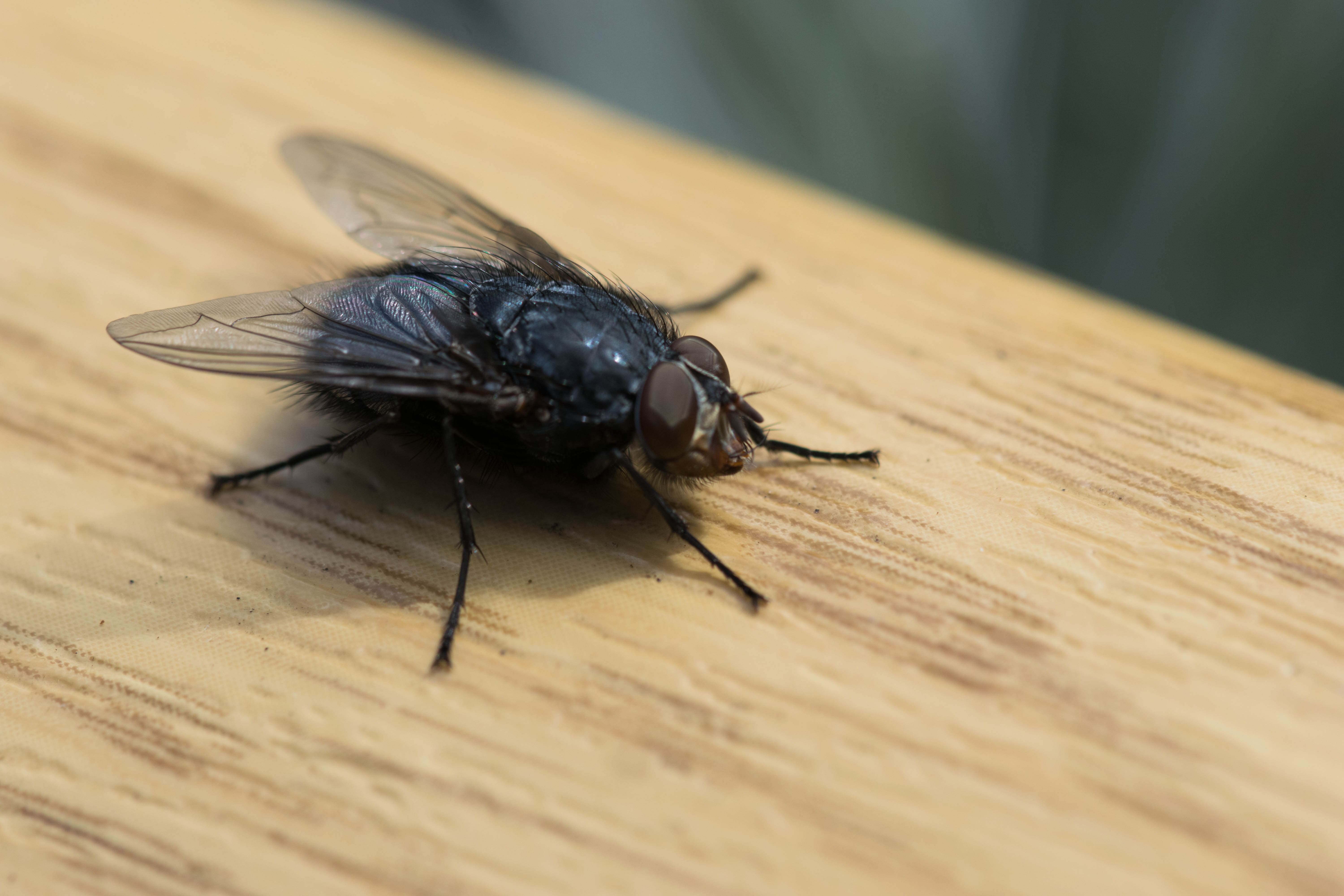
Flies, insects belonging to the order Diptera, undergo complete metamorphosis as part of their life cycle. This means that baby flies look and act totally different when compared to adult flies.
After hatching from their eggs, flies enter their larval stage. These immature flies are known as maggots, and, after pupating, they become adults. Different fly species have unique larval forms, but there are still common traits between the different types of flies.
Where do maggots come from?
Maggots, as the larval stage of flies, hatch from fly eggs. They can’t simply crawl into homes, so if you see maggots in your house, that means an adult female fly must have laid eggs somewhere indoors.
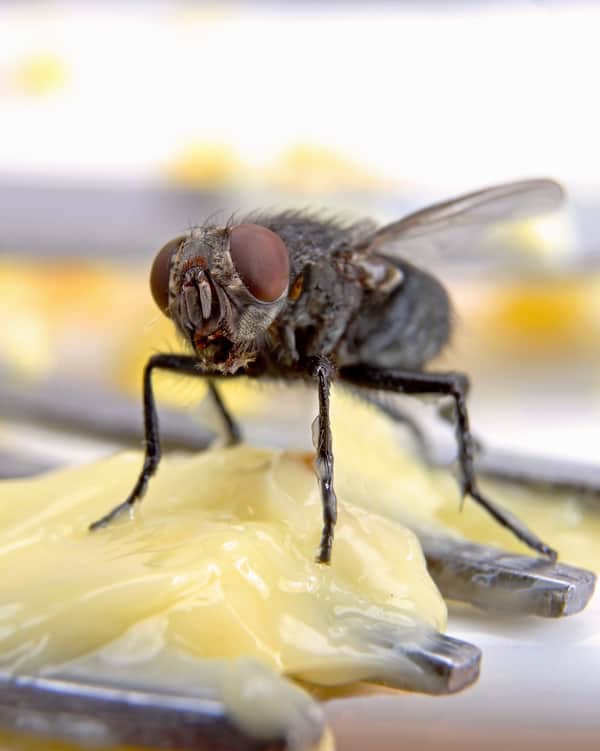
Flies are always in search of ideal breeding grounds—if their eggs are laid somewhere with ample resources, then their offspring are more likely to thrive. With that in mind, areas with things that attract flies will also be where maggots are most likely to congregate. Keep an eye out for:
- Rotting produce
- Sweet or fermented liquids
- Waste, feces, and garbage
- Dirty or leaky drains
- Carrion
What do fly eggs and maggots look like?
Although fly eggs can vary in appearance from species to species, there are still a few shared key characteristics that can help you identify them:
- Size: Fly eggs are very small, typically measuring around 0.05 inches in length.
- Color: When they’re first laid, fly eggs tend to be white or gray in color. As they develop, they’ll darken, turning reddish-brown or black.
- Location: They’ll often be laid in clusters among decaying organic material.
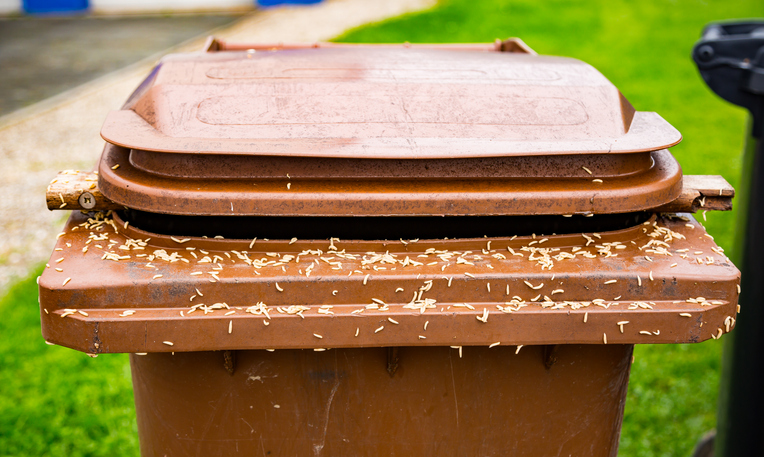
- Shape: Fly eggs are generally oval or cylindrical, resembling small grains of rice.
- Texture: They have a slightly sticky texture that allows them to adhere to a variety of surfaces.


Maggots, like eggs, vary in appearance depending on their species, but they can still be identified by looking out for these key characteristics:
- Size: Maggots typically range in size from 0.08 to 0.4 inches, depending on the species and their stage of development.
- Color: Most maggots are a whitish, creamy color.
- Location: You’ll often find maggots among decaying organic material.
- Shape: These larvae are wingless and legless, making them resemble small worms or grubs.
- Texture: Maggots have soft bodies.
How do maggots fit into the fly life cycle?
Once a maggot has reached full size, it’ll hunt for a place to pupate. In the pupal stage, they’ll develop into adults. Then, as adults, they’ll lay eggs, which hatch into maggots, starting the whole cycle all over again.
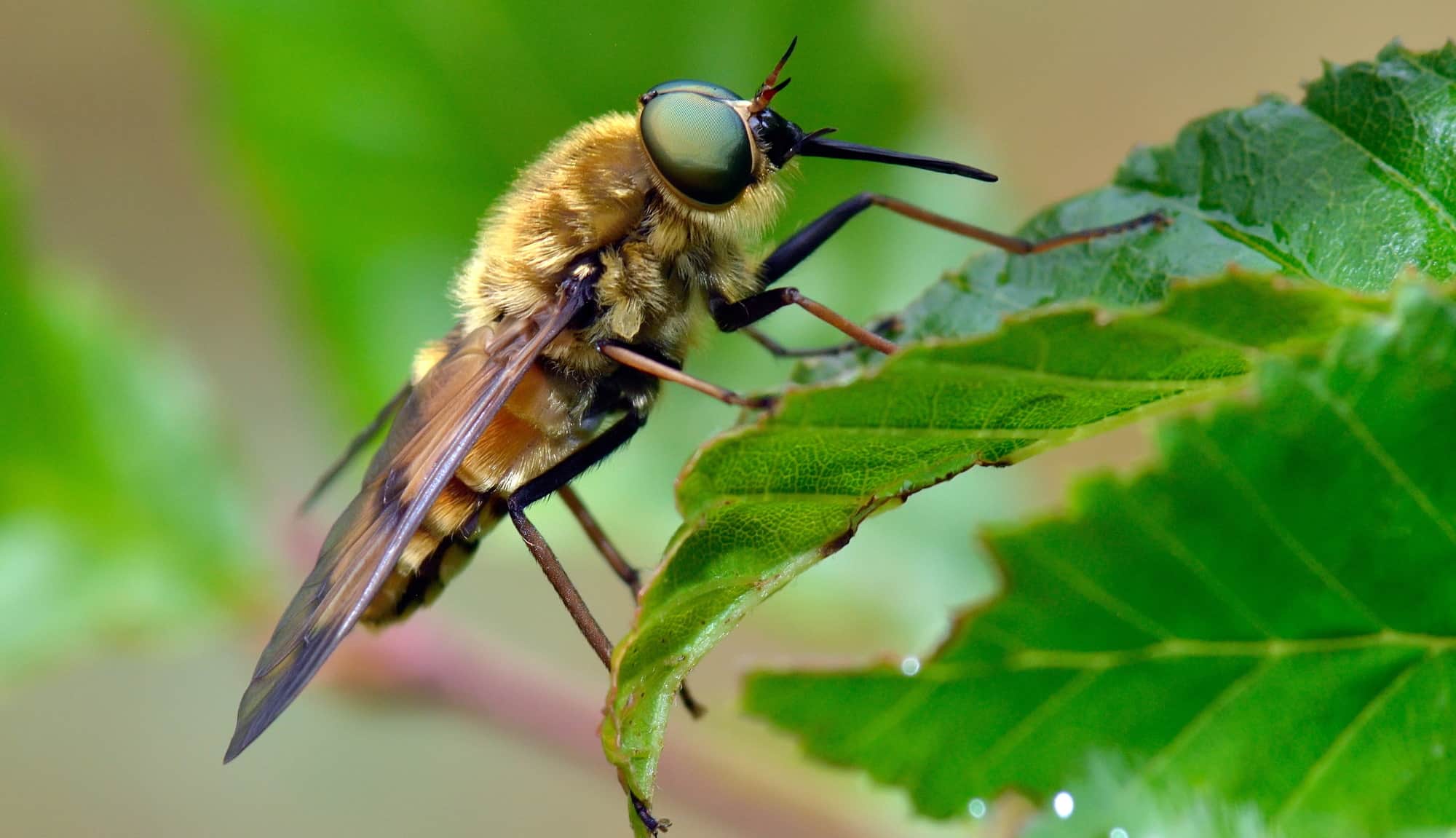
The majority of fly species look for areas with rotting organic wastes, deceased animals, or animal excrement to deposit their eggs. That’s because, for the most part, maggots develop by eating the bacteria associated with these environments—though there are some species that rely on eating other insects. For example, hover fly larvae prey on aphids and other small gardening pests, and are considered beneficial pollinators, unlike the nuisance flies often seen inside your home.
Flies also develop quickly, especially in the summer months when conditions are ideal. With warm temperatures, moisture, and a good food source, many species can complete their entire life cycle from egg to adult in as little as seven to 14 days.
What should you do if you see baby flies or maggots?
While you’re more likely to see adult flies than you are baby flies, the larval stage is the best time to control their populations. The most effective way to do this is by reducing breeding locations and breaking their life cycle. Here's what you can do:
- Regularly clean trash cans and garbage disposals.
- Maintain outdoor pet environments and yards.
- Fix leaky drains and clean up spills promptly.
- Eliminate maggots with boiling water or vinegar solutions.
If you’re dealing with a serious infestation, you can also call professional pest control services. At Terminix, we offer free inspections on top of reliable and dedicated service—so let us give you a hand.