Fleas
How to spot a flea infestation
Fleas are more than just a nuisance—they can quickly become a major problem for you, your pets, and your home. These tiny, wingless parasites can cause intense itching, skin infections, allergic reactions, tapeworms, and disease. If an infestation is not treated quickly, fleas can spread rapidly, jumping from your pets to your carpets, furniture, and even bedding.
Fleas can enter homes by hitching a ride on pets like dogs and cats after they’ve been outdoors. However, you don’t need to have pets to face a flea infestation, as these pests can also be carried inside on clothing and shoes or by rodents and wildlife. If you notice signs of fleas or suspect an infestation, you should seek professional treatment. Our expert pest control services can help eliminate fleas in the home and prevent future infestations.
What does a flea look like?
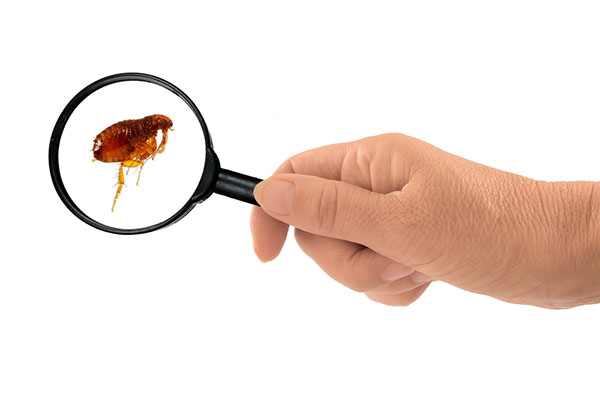
Fleas are tiny, wingless insects with reddish-brown to black bodies. They are similar in size to a grain of sand or a sesame seed—small enough to be easily overlooked but still visible to the naked eye. Their flattened shape and long hind legs help them jump far distances.
Under a microscope, you can see a flea’s hard exoskeleton has bristles and spines. You may also be able to see their tube-like mouthparts that are used to pierce the skin and suck blood and the intricate joints on their legs that they use for jumping.

Signs of a flea infestation in your home
Detecting a flea infestation in your home early can help prevent a larger problem later. Some common signs of fleas include flea dirt, eggs, changes in pet behavior, and bites. Common places to look for fleas include your pet's bedding, carpets, rugs, and upholstered furniture. Additionally, check along baseboards, cracks in hardwood floors, and on your pet's body, especially around the neck, stomach, and tail.
Flea dirt
Flea dirt is essentially flea feces—dried blood that fleas have consumed and excreted. It looks like tiny black or dark brown specks resembling coarse ground pepper. To confirm if it’s flea dirt, you can place the specks on a damp paper towel. If they dissolve into reddish-brown spots, it’s a sign of flea dirt, as the color comes from digested blood.
Flea eggs
Flea eggs are tiny, oval-shaped, and typically white or translucent. They can resemble small grains of salt or dandruff and can be difficult to see. Flea eggs can fall off the host animal and can end up anywhere your pets spend time. Common places include:
- Pet bedding: Eggs are frequently found in pet beds where fleas hide and lay eggs.
- Carpets and rugs: Eggs can settle into carpet fibers, creating an ideal place for them to develop.
- Furniture: Upholstered furniture, especially in seams or under cushions, can harbor flea eggs.
- Cracks in floors or baseboards: Eggs can accumulate in small crevices around hardwood floors or along baseboards.

Changes in pet behavior
If your pet has fleas, they may become restless or groom themselves more frequently, indicating discomfort. Other signs that your pets might have fleas include:
- Excessive scratching, biting, or licking themselves
- Red or irritated skin
- Tiny black specks (flea dirt)
- Hair loss from scratching or biting

Flea bites
If you are concerned about flea bites or break out in a rash, you should seek medical advice. A flea bite on human skin looks similar to a mosquito bite and typically turns into a red bump with a halo. Those affected may experience immediate and intense itching, often more severe than mosquito bites and with a quicker reaction time than bed bug bites. The severity of a reaction depends on the person, how sensitive they are, and whether or not they are allergic.
What to do if you see these signs of fleas
If you spot signs of fleas, acting quickly can help control the problem before it worsens. Here are some steps you can take:
- Treat your pets: Use veterinarian-recommended flea treatments, such as topical solutions, flea collars, or oral medications.
- Wash pet bedding and linens: Wash your pet’s bedding, blankets, and any linens they frequently use. Use hot water and high heat to kill fleas, eggs, and larvae.
- Vacuum thoroughly: Vacuum all carpets, rugs, furniture, and any areas where pets spend time. Pay attention to edges, seams, and crevices, where flea eggs and larvae may hide. Dispose of the vacuum bag or empty the canister outside.
While these steps can help reduce fleas, contacting a professional pest control service can ensure your home is thoroughly treated to help prevent future flea infestations.
Professional treatment for fleas
While DIY flea control treatments can help reduce flea numbers, professional treatment is often required to fully eliminate an infestation. Fleas have a complex lifecycle and can hide in hard-to-reach areas like carpet fibers and baseboards. Many DIY treatments target only adult fleas, leaving eggs and larvae unaffected, which allows fleas to continue reproducing.
Protect your home from fleas with Terminix’s PestFree365+ plan!1 Our exclusive, year-round preventative pest control program helps protect your home and family from 39 common household pests, including fleas, before they become a problem.2 With highly trained, local exterminators and advanced pest control technology, PestFree365+ helps provide peace of mind throughout the year. Schedule your inspection today!
1Coverage includes: Black Widow Spiders, Brown Recluse Spiders, Voles (perimeter/structure only), Bed Bugs, Fleas (interior only), Bumble Bees, Carpenter Bees, Solitary Ground Bees, Yellowjackets, Hornets, Baldfaced Hornets, Crazy Ants, Carpenter Ants, and Fire Ants (perimeter/structure only).
2If infestation of bees, brown recluse spiders, fleas, indoor ticks, cockroaches, carpet beetles, fabric moths, stored product pests, mice, or rats present at time of initial inspection, a curative upcharge will apply.