Fleas
Flea prevention tips for your home
Content updated: May 4th, 2026
Key takeaways
- Effective flea prevention starts with consistent cleaning, yard maintenance, and proper pet protection before infestations take hold.
- Fleas commonly enter homes by hitching a ride on pets, then rapidly spread by laying eggs in carpets, furniture, and bedding.
- Routine vacuuming and washing fabrics in hot water help eliminate hidden eggs and larvae before they can mature.
- Ongoing pet care, including grooming, regular checks, and veterinarian-recommended treatments, plays a critical role in prevention.
- Terminix Flea Control targets fleas at every stage of the life cycle to eliminate current infestations and help keep them from coming back.
Stop fleas before they start by breaking their breeding cycle. Effective flea prevention starts with a home cleaning routine, maintaining your yard, and protecting your pets. To keep fleas out of your house and resolve flea problems quickly, you need a plan that targets these pests at every stage. Terminix Flea Control targets fleas at the source and uses specialized treatments that address them across all four life cycle stages.
How fleas get into your home
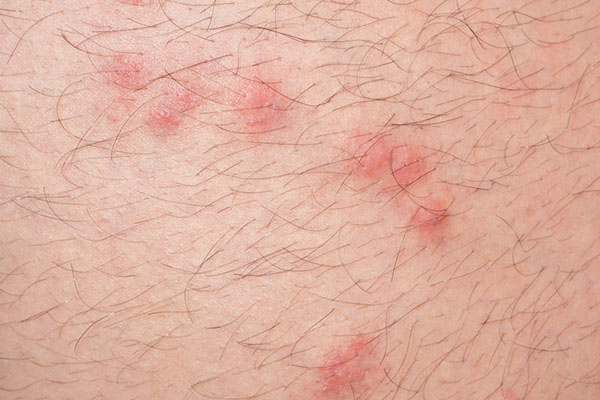
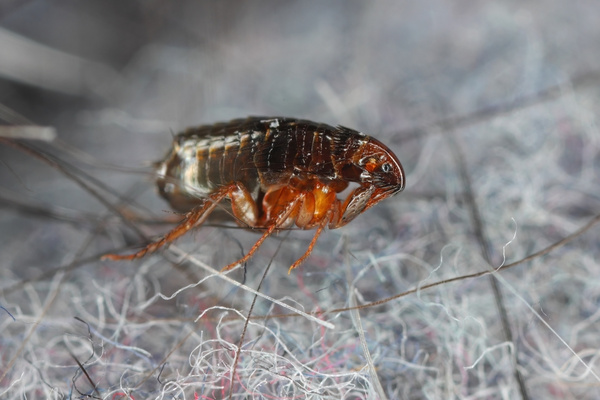
Fleas are tiny, pesky insects that can quickly infest your home. They often hitch a ride on pets, like cats and dogs, who bring them indoors after playing outside or interacting with other animals. Once inside, they reproduce rapidly, laying eggs in carpets, furniture, and bedding. Common flea signs and symptoms can include excessive scratching, small red bites on your skin, and tiny black specks (often called flea dirt) on surfaces or your pet’s fur.
How to prevent fleas at home
Once fleas have established themselves in your home, they are difficult to eradicate. Although treating an infestation can be challenging, learning how to prevent fleas at home is your best defense. By taking preventative measures, you can help reduce the risk of flea bites and protect your home and family from these irritating pests.
Maintain a clean home
To prevent an infestation, you must disrupt the flea life cycle, which includes eggs, larvae, pupae, and adults. Regular cleaning is the best way to do this. Focus on vacuuming carpets, rugs, and upholstered furniture at least once a week, and be sure to empty the vacuum canister outdoors immediately after each use. Frequently washing your bedding and your pet’s bedding in hot water will also kill any lingering eggs or larvae.
Professional pest control
Oftentimes, DIY efforts aren't enough because other pests, such as rodents or wildlife, can carry fleas right into your crawl spaces or attic. Terminix technicians can identify the root cause of a flea problem and provide comprehensive solutions that target both the fleas and the secondary pests that might be bringing them onto your property. Professional treatment helps ensure that every corner of your home is protected.
Natural and chemical flea repellents
There are various products available to help repel fleas, ranging from store-bought chemical sprays and powders to homemade remedies for fleas, such as essential oil mixtures or diatomaceous earth. While these can be helpful for mild prevention, it is important to follow all label instructions carefully. Keep in mind that while natural options are popular, they are not as long-lasting or as effective as professional-grade preventative treatments during peak flea season.
Prevent fleas on your pets
Pets are one of the most common ways fleas enter a home, so protecting them is essential for preventing fleas. Some helpful flea prevention tips you can follow are:
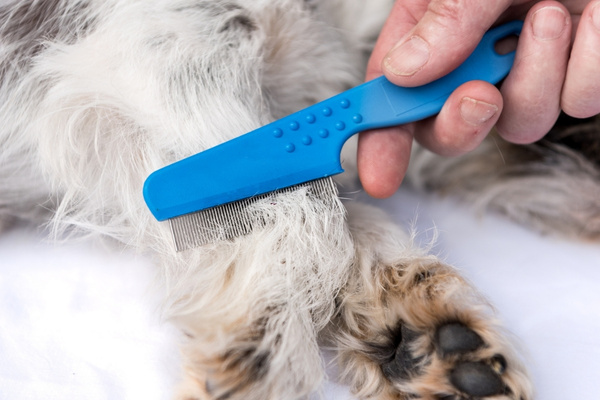
- Regularly checking your pet’s fur for fleas or flea dirt
- Bathing and grooming pets routinely
- Using veterinarian-recommended flea treatment for dogs
- Limiting your pet’s time in heavily infested outdoor areas
If you’re looking to keep fleas out of your house, protecting your pets is essential.
Yard maintenance
Fleas prefer shady, moist, and humid environments. In your yard, these areas might include dense patches of grass, overgrown vegetation, woodpiles, and areas under garden furniture or sheds. To help reduce the likelihood of fleas, keep your lawn mowed short, trim back overgrown shrubs and weeds, and remove any debris or clutter where fleas can hide. Eliminating these hiding spots makes your yard much less attractive to fleas and the wildlife that can carry them. Additionally, eliminate spilled bird seed, pet food, or open trash that may attract wildlife and rodents, which are potential hosts for fleas.
How to avoid fleas when you travel
Traveling can expose you to fleas without you realizing it. They can hitch a ride home in luggage, clothing, or on pets. Before settling into a hotel or rental:
- Check bedding and mattress seams for small dark specks or insects
- Keep luggage elevated on racks instead of the floor
- Wash clothes in hot water after returning home
- Inspect your pets if they traveled with you
Taking a few extra precautions can help prevent bringing fleas back with you
What to do if you find fleas in your home
If your flea prevention efforts fail, act quickly by washing all bedding in hot water and vacuuming every floor surface to remove active adults. Although acting fast can help reduce the infestation, fleas are resilient and often require a more thorough approach.
Terminix technicians know how to remove fleas and will create a customized treatment plan just for you. Our flea control goes beyond surface treatments to target fleas at every life cycle stage, helping to eliminate current flea problems and prevent future ones. Plus, our service is backed by the Terminix It Guarantee®: If fleas return between scheduled visits, we’ll return to re-treat at no additional cost—guaranteed.1