Fleas
Information on the Flea Life Cycle
Pet owners are not strangers to fleas and the problems they can cause – but these pesky little insects are capable of being an issue even for those without pets. These blood-sucking insects can jump from host to host and hide in carpets, upholstered furniture, and pet bedding. Given their rapid reproduction and adaptability, a small infestation can quickly spiral out of control. That's why understanding the flea life cycle is crucial for effectively managing and preventing infestations. Fleas undergo a complex development process, moving through distinct stages—egg, larva, pupa, and adult—each requiring specific conditions to thrive. Learn everything you need to know about the flea life cycle and how long fleas can live in your home.
How long do fleas live?
A flea's lifespan largely depends on environmental conditions and access to a host. Fleas thrive in environments with temperatures between 70°F and 85°F and humidity above 50%. Humidity lower than 50% and temperatures above 95°F will kill flea larvae. Most adult flea species can live for about 100 days, while adult cat and dog fleas can live up to one year under ideal circumstances.
How long can fleas live without a host?
Adult fleas can only survive without a host for a short time, typically one to two weeks. Without access to a blood meal, adult fleas face the risk of dehydration and starvation. Their ability to reproduce is also limited without a host. However, fleas that have reached the pupal stage may survive for several months without a host.
The flea life cycle
Fleas have a complex life cycle consisting of several stages: egg, larva, pupa, and adult. However, compared to other insects, a flea's life cycle can be relatively short under ideal conditions. The process can take anywhere from two to three weeks to several months, depending on the conditions. Understanding the flea's lifespan and its stages can help you manage a flea infestation in your home.

Flea eggs
Flea eggs are tiny, smooth, round-shaped, and typically off-white or translucent, measuring about half a millimeter in length. Flea eggs are often laid in clusters and can be found in areas where pets frequent, such as carpets, upholstery, and bedding. Female fleas lay eggs while attached to the host, and because these eggs are round, smooth, and unattached, they will slowly drop to the ground, where they remain until hatching. The hatching time for flea eggs can vary significantly, taking anywhere from one to twelve days. Female fleas can lay up to 40 eggs per day, making it easy for infestations to grow quickly. The typical female flea that is encountered can lay up to 400 eggs in her lifetime.

Flea larvae
Flea larvae are small and typically measure about two to five millimeters in length. They have a soft body that is whitish in color and have no legs. While they lack appendages, these larvae do have strong, well-developed mouths. They eat their own skin sheddings, dried blood excreted from adult fleas, and organic debris, including hair and dead skin cells, and are primarily found burrowed into dark, hidden areas, such as carpet fibers or pet bedding. The larval stage is shorter in the summer, taking six to twelve days to enter the pupal stage. During the rest of the year, the larval flea life cycle can take up to 200 days.

Flea pupae
During this stage of the flea life cycle, the larvae spin a silk cocoon that provides protection while undergoing metamorphosis. Flea pupae usually hide in dark, secluded areas such as carpets, furniture, and cracks in floors, allowing them to avoid detection and remain safe until they sense the right conditions to emerge. They can enter a dormant state, known as diapause, which can last for several months or even up to a year and allows them to survive unfavorable environmental conditions. This stage of the flea lifespan typically takes five to 14 days but may take up to 150 days under poor conditions.
Adult fleas
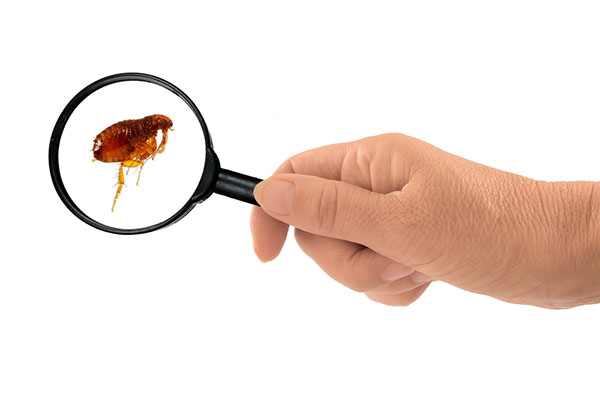
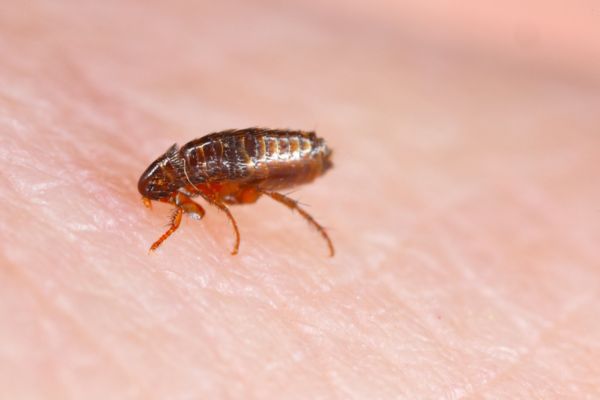
At the final stage of the flea life cycle, adult fleas typically measure one-eighth of an inch long. They have a flattened body that is covered in tiny hairs, which helps them move easily through fur and feathers. They can be reddish-brown to black in color, making them somewhat difficult to spot against the fur of their hosts. Adult fleas have long back legs to aid them in jumping from host to host. Fleas primarily seek hosts by detecting body heat, movement, and carbon dioxide. An adult flea will look for a blood meal in the first 24 hours after it leaves the cocoon and begin feeding within ten seconds of landing on a host. They thrive in environments close to their hosts, typically residing in bedding, carpets, or other warm, sheltered areas where pets frequent.

Targeting all stages of the flea life cycle
When it comes to fleas, prevention is key. Regularly grooming pets, washing pet bedding, and vacuuming upholstered surfaces and carpets can help stop a flea infestation. If you’re worried about fleas in your home, over-the-counter remedies and DIY treatments won't cut it. At Terminix, our technicians are trained to target all stages of the flea life cycle, helping to ensure a successful treatment. With our PestFree365+ plan, you can help protect your home from fleas and 38 other common household pests. Contact us to schedule an inspection today.
o see our Covered Pests, visit Terminix.com/pest-control/pestfree365. Automatic payment sign up is required for PestFree365+. Voles and fire ants are only covered if they are in the home, we will not treat the lawn. Homes must be free of bed bugs at the initial service to qualify for coverage of bed bugs under the PestFree365+ Plan. Applies to single family, free-standing, owner-occupied homes only. Account must be in good standing. Other limitations may apply. See Plan for details.