Whats Buzzing
Natural and homemade remedies for fleas
Content updated: May 4th, 2026
Key takeaways
- Fleas can hide in pets, carpets, and furniture, making infestations tricky to detect and manage.
- DIY and homemade remedies for fleas can help reduce their presence, but usually cannot fully break the flea life cycle.
- Some natural flea repellents, like essential oils or powders, may provide temporary relief, but they must be used safely and are best for mild infestations.
- Regular cleaning, vacuuming, washing pet bedding, and checking pets are critical steps in managing fleas at home.
- When fleas persist despite DIY efforts, Terminix Flea Control services can tackle every stage of their life cycle to help prevent them from returning.
Fleas may be small, but they can cause big headaches, and not every DIY approach delivers the results you expect. When it comes to flea control, understanding the enemy is half the battle. We’re here to give homeowners the truth about what homemade remedies for fleas can and can’t do. By learning where fleas hide and how to target them, you can take control and help keep your pets and home more comfortable.
Signs of a flea infestation
Before you can tackle the problem, you need to know what you’re looking for. Fleas are experts at hiding, but they leave behind clear evidence of their presence. Here are some signs of fleas in your house:
- Excessive scratching: If your pet is biting at their skin or scratching more than usual, it’s a major red flag.
- Flea dirt: These are tiny black specks that look like pepper. If you place them on a wet paper towel and they turn reddish-brown, it indicates digested blood.
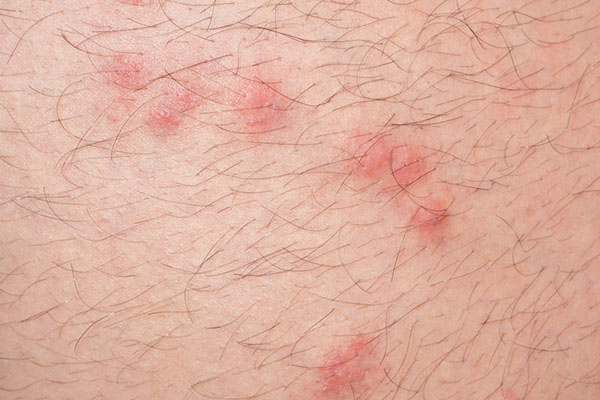
- Flea bites: On humans, these usually appear as small, itchy red bumps, often clustered around the ankles or lower legs.
- Larvae and eggs: While microscopic, you might notice salt-like grains in pet bedding or deep within carpet fibers.
Fleas thrive in warm, humid environments. They love hot spots like pet bedding, thick upholstery, and shaded areas of the yard, which are often common reinfestation points because even if you treat the pet, the eggs in the carpet will hatch and restart the cycle.
DIY and homemade flea remedies
If you’re looking into how to get rid of fleas without jumping straight to heavy chemicals, these DIY methods focus on making your home less hospitable to pests. Choosing a natural flea repellent or DIY solution often makes sense for households with very young children, sensitive pets, or those dealing with a very minor, localized issue. However, it’s important to keep in mind that while these homemade remedies for fleas are a great first step, persistent infestations require a professional solution.

DIY flea sprays and treatments
You can create a simple, natural flea deterrent using common items from your pantry. A popular mix involves equal parts water and apple cider vinegar; while it doesn't kill the insects, the scent and acidity can encourage them to jump off your pet. Another method is sprinkling baking soda on carpets and scrubbing it in to help dehydrate flea eggs and larvae. While these are helpful short-term fixes, they rarely address the hundreds of eggs tucked away in floorboards.

Essential oils
Certain botanical scents can act as natural flea repellents. Oils like lavender, peppermint, cedarwood, and rosemary are typically safe for pets when diluted correctly. Undiluted oils and toxic varieties such as tea tree and pennyroyal should never be applied directly to pets. Always consult with your vet to determine the safest treatment options for your pet. Although essential oils may offer temporary relief, they cannot replace professional flea control or veterinarian-recommended treatments.

Natural powders
Natural powders like diatomaceous earth and borax can help reduce flea populations in carpets, pet bedding, and other areas pets frequent. Apply lightly, allow the powder to sit for several hours, then vacuum thoroughly. These powders work by dehydrating fleas and their eggs, but they are best suited for prevention or mild infestations. Always keep pets and children away during application, and avoid inhaling the dust. For severe flea problems, these powders should be used in addition to professional flea control services.

Flea bombs
Flea bombs, or foggers, are over-the-counter canisters that release a pesticide mist into a room. While they are marketed as a complete solution, they are generally not recommended because the mist travels upward, failing to penetrate the dark crevices under furniture where larvae actually live. Since the chemicals settle on surfaces rather than reaching the hiding spots of the next generation, they often result in a rebound infestation a few weeks later, once the eggs hatch.

Vacuuming and deep cleaning
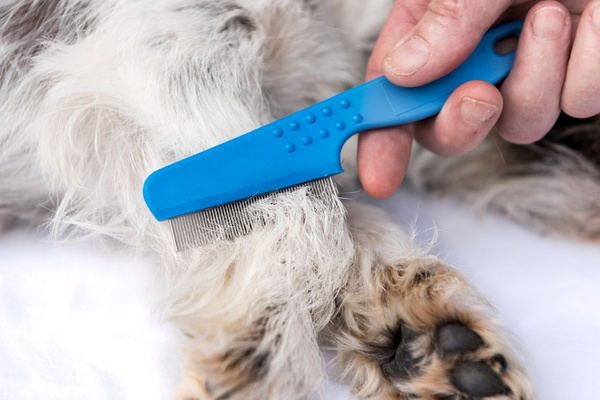
The most effective non-chemical tool in your arsenal is a high-powered vacuum used daily. Focusing on baseboards and under cushions can physically remove eggs and larvae before they mature. To help ensure the life cycle is broken, wash all pet bedding and human linens in hot water. Using a fine-toothed flea comb on your pet daily can also help manually remove adults, but it often requires constant diligence to be effective.
Checking your pets
Regularly inspecting your animals is the best way to catch problems before they spread through the home. You should check your pets for flea dirt at least once a week, especially after they have spent time in tall grass or at a dog park. While DIY methods help manage the environment, you should also talk to your veterinarian about professional-grade flea treatments for dogs and cats to ensure your furry friends have constant, reliable protection that DIY options cannot provide.
When to seek professional help
Homemade remedies for fleas are great for maintenance, but they often struggle to break the flea life cycle entirely. If you are still seeing new bites after aggressive cleaning, or if you see pests jumping in multiple rooms, the infestation has likely moved into the walls or deep subflooring, where DIY methods cannot reach.
When DIY methods aren’t enough, Terminix offers a complete solution you can trust, backed by the Terminix It® Guarantee. If pests return between treatments, so do we—at no additional cost.1 Our flea control services use targeted treatments to tackle every stage of the flea life cycle, helping you regain the comfort of your home.