What are millipedes?
(Class Dilopoda)
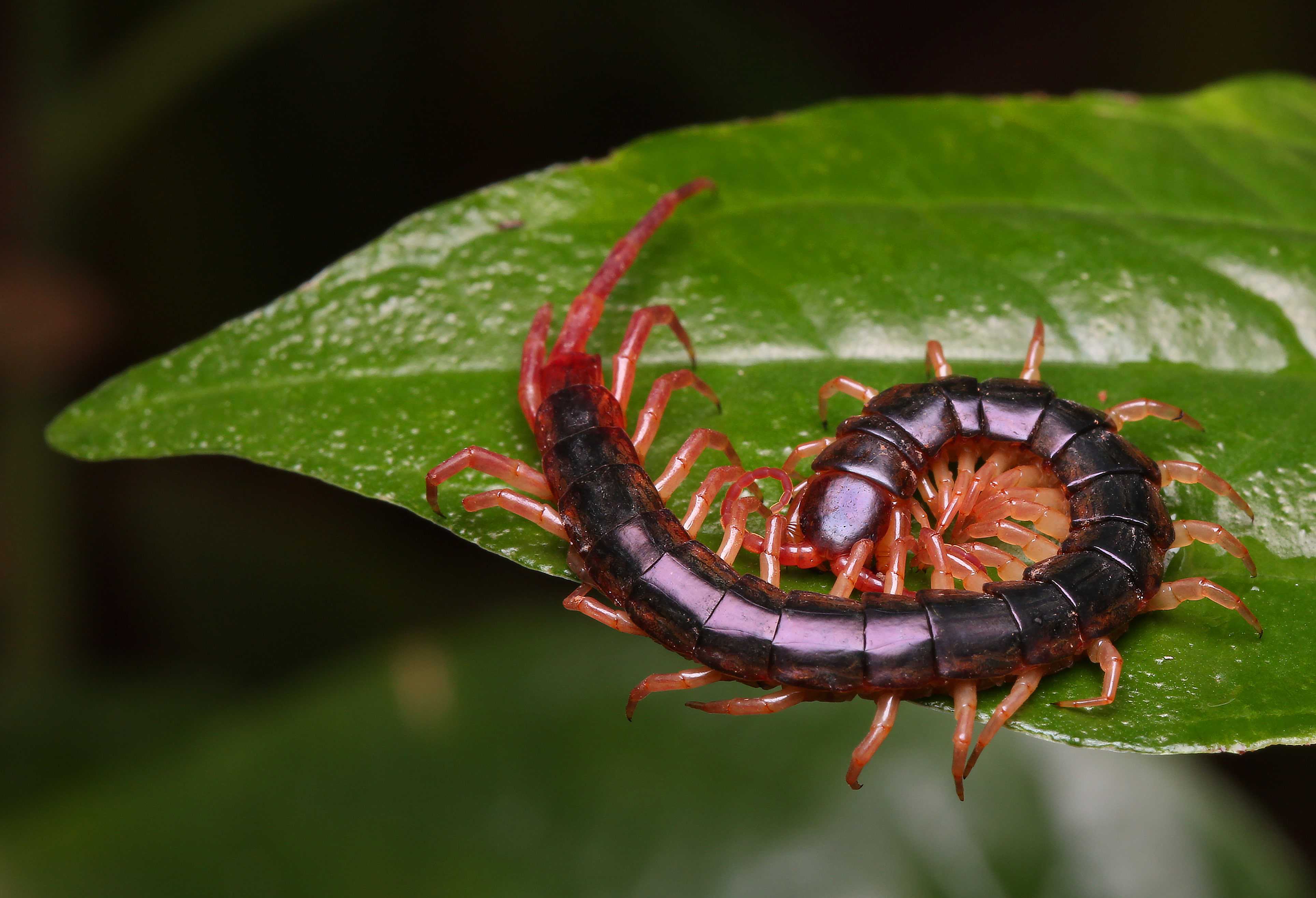
Millipedes are fascinating arthropods belonging to the subphylum Myriapoda and the class Diplopoda. Despite their name, which translates to "thousand feet," most millipedes have far fewer legs. They are characterized by their elongated, segmented bodies, with each segment housing two pairs of legs—a unique feature that sets them apart from other arthropods like centipedes.
Although they are harmless and slow-moving, millipedes in your house can become a nuisance. Our experts are here to help if you’re having problems with these pests. Millipedes are one of the 25 common household pests covered with our ongoing pest control plan, PestFree365.1
Identifying millipedes
Millipedes have a distinct appearance compared to other arthropods.
Body: Long, cylindrical, or slightly flattened bodies with multiple segments. Their body segments are like individual "rings" that make up their elongated shape.
Legs: Each body segment has two pairs of legs, giving them a "worm-like" appearance.
Color: They come in various colors, including black, brown, and reddish hues, sometimes with patterns or stripes.
Size: Most millipedes range from one to four inches long.

Millipedes are slow-moving and primarily nocturnal. When threatened, they curl into a tight spiral to protect their vulnerable underside. Globally, there are approximately 12,000 known species of millipedes, though experts believe there may be many more undiscovered species.
Are millipedes poisonous?
Millipedes are not poisonous, meaning they do not inject venom. However, some species can secrete a defensive liquid containing irritating chemicals like hydrogen cyanide or benzoquinones. While millipedes are not directly harmful, they can become a nuisance if they invade homes in large numbers, particularly during rainy seasons or when searching for shelter.
On the other hand, millipedes play an essential role in ecosystems as decomposers. They break down decaying plant material, recycling nutrients back into the soil. Their activity contributes to the natural composting process, supporting plant growth.
Millipede lifecycle and reproduction
Millipedes typically live for seven to 10 years in a laboratory setting, but most that find their way indoors will only survive for two to four weeks. Their lifespan can vary depending on the species and environmental conditions.

Millipedes undergo a simple lifecycle with three main stages:
Egg: Female millipedes lay clusters of eggs in the soil or decaying plant material. A female can lay anywhere from a few dozen to hundreds of eggs, depending on the species. Eggs usually hatch within a few weeks.
Juvenile: After hatching, young millipedes, called nymphs, resemble miniature adults with fewer body segments and legs. They go through multiple molts as they grow, adding new segments and legs with each molt.
Adult: Once fully developed, millipedes reach their adult size and reproductive maturity. Adults continue to molt periodically but no longer add new body segments.
Diet
Millipedes are detritivores, meaning they feed on decaying plant material, such as fallen leaves, wood, and other organic matter. They help break down this material into smaller particles, contributing to soil enrichment. In some cases, millipedes may also consume fungi, algae, and even fresh plants if decaying matter is scarce.
Where do millipedes live?
Millipedes thrive in moist environments and are commonly found in areas with abundant organic matter. They prefer habitats like forests, grasslands, gardens, and leaf litter, where they can feed on decaying vegetation.
Millipedes may enter homes, especially during periods of heavy rain or dry weather, when they seek shelter or more favorable conditions. Inside houses, they can be found in:
Basements and crawl spaces: These areas are damp and dark, mimicking their natural habitat.
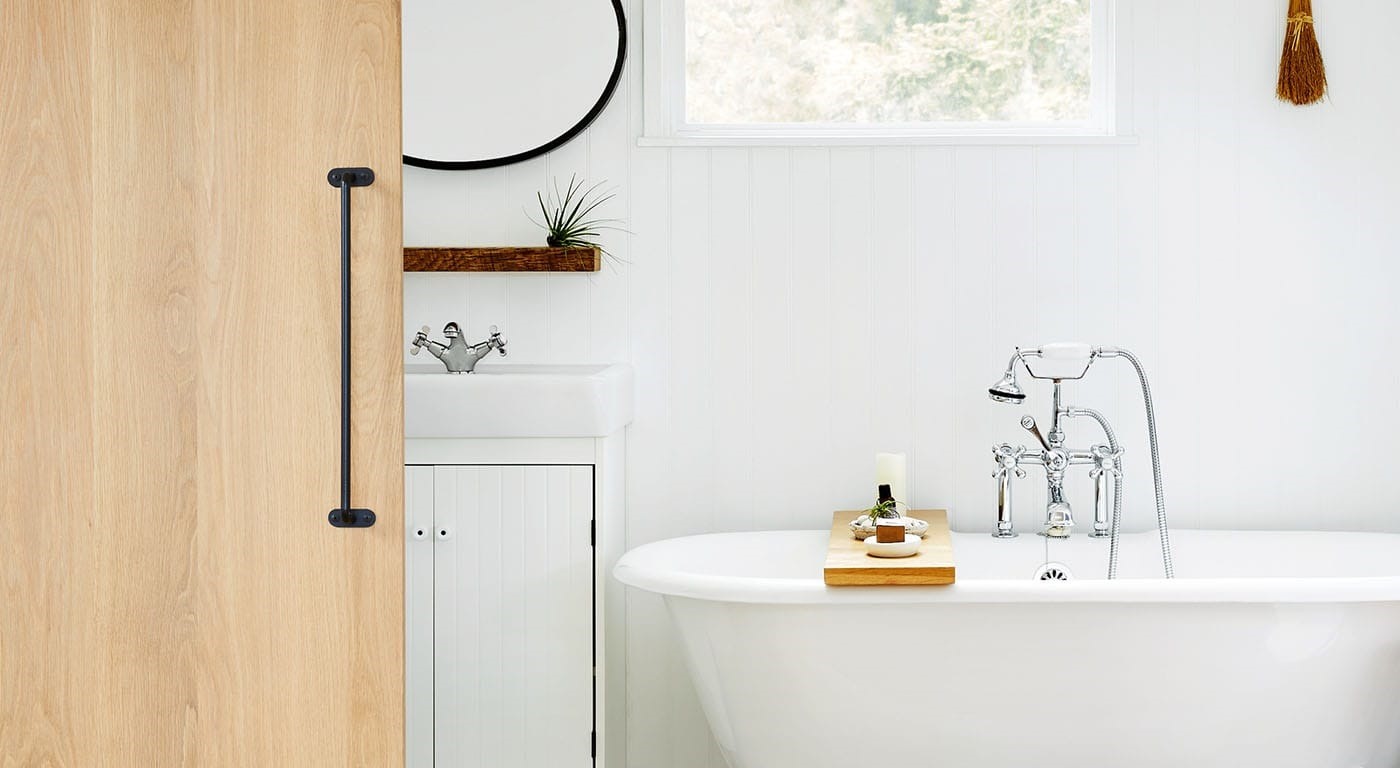
Bathrooms and laundry rooms: Moisture and humidity can attract millipedes.
Under sinks or near leaky pipes: These spots provide moisture and protection.
Garage and storage areas: Clutter and less frequent activity make these spaces appealing.
Millipedes do not cause damage, but they may become a nuisance when they wander indoors in large numbers.

How to get help rid of millipedes in your home
The following tips can help prevent millipedes from taking shelter in your home:
Reduce moisture: Fix leaks, ensure proper ventilation in basements, and use dehumidifiers to eliminate damp conditions that attract millipedes.
Seal entry points: Check for and seal cracks, gaps, and openings around doors, windows, and foundations to prevent millipedes from entering your home.
Clear debris: Remove leaf litter, mulch, and other organic material near your home's foundation to eliminate hiding spots.
If millipedes are making themselves at home despite your efforts, Terminix’s millipede control services can help! Our expert technicians will identify and eliminate millipedes in your house and provide ongoing protection to help keep your home protected.
1Coverage includes: "House" Ants, Bird Mites, Indoor Ticks, Cockroaches, Carpet Beetles, Fabric Moths, Overwintering Insects, Ground Beetles, Centipedes, Crickets, Earwigs, Firebrats, Millipedes, Clover Mites, Pillbugs/Sowbugs, Psocids, Scorpions, Silverfish, Paper Wasps, Springtails, Spiders, Stored Product Beetles, Stored Product Moths, Mice, and Rats.