What are centipedes? (Class Chilopoda)
Content Updated: February 19th, 2025
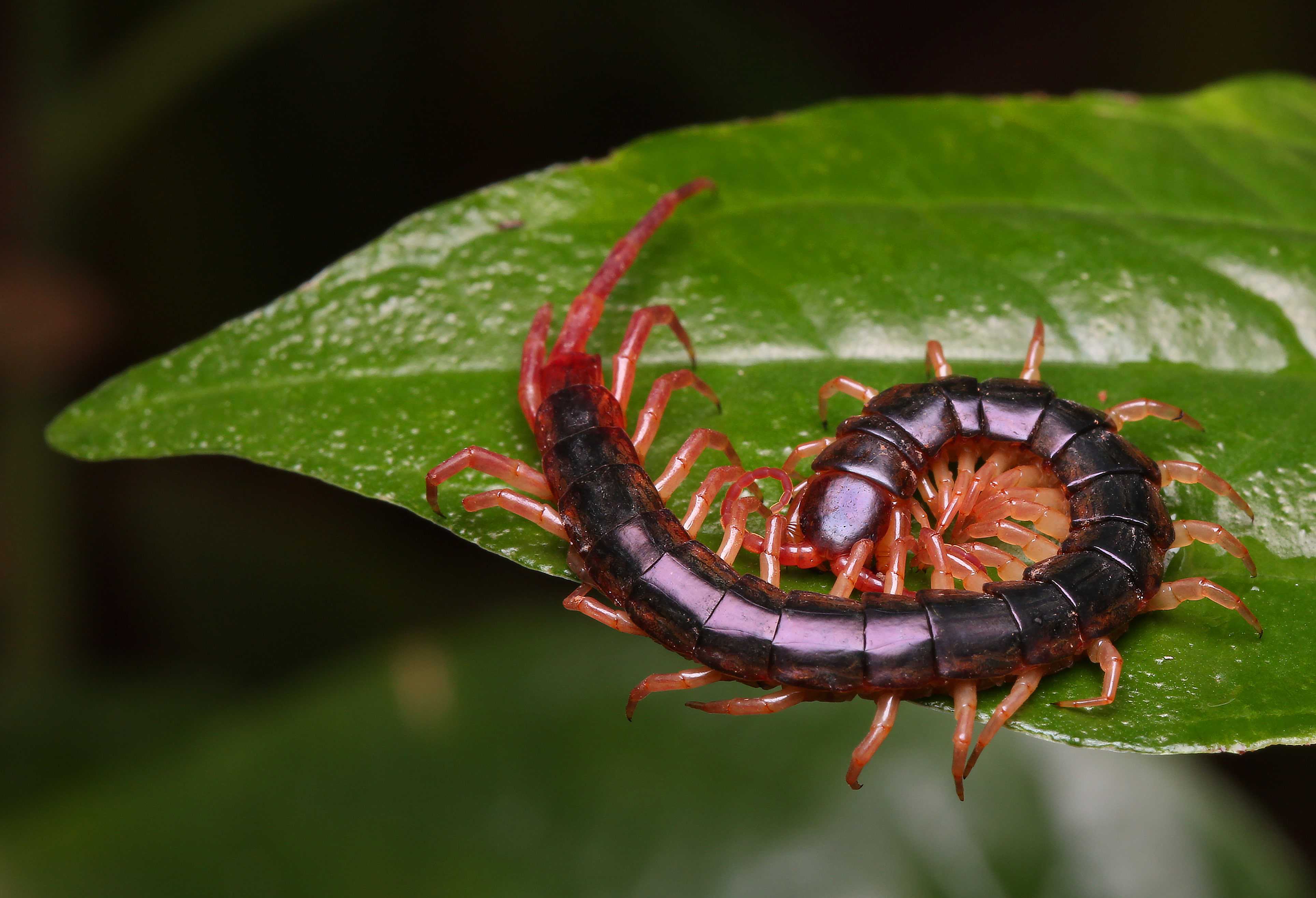
Centipedes, belonging to the class Chilopoda, are characterized by their elongated bodies and numerous legs. The scientific name for the common centipede is Scutigera coleoptrata, although there are nearly 3,000 species of centipedes across the globe. These arthropods play a crucial role in ecosystems as predators, mainly feeding on insects and other small invertebrates. They can be found in a variety of habitats, including soil, leaf litter, and sometimes, even our homes. Learn everything you need to know about centipedes and what to do if you find one lurking in your home.
Identifying centipedes
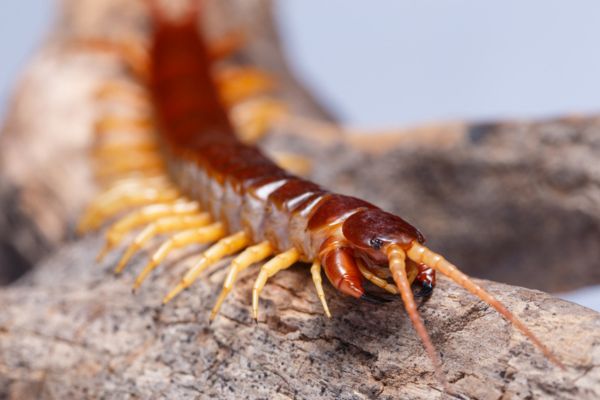
Centipedes are characterized by their long, jointed legs on each body segment. House centipedes typically have flat bodies and rarely measure longer than two inches. Their color depends on the species, with most being a brownish or orange-brown color. In terms of behavior, centipedes are primarily nocturnal predators, actively hunting for insects and other small invertebrates during the night. They use their venomous claws, called forcipules, to subdue prey before consuming it. Centipedes are also known for their agility and can quickly move through their environment, including tight spaces. When threatened, they may retreat to hiding spots or curl up defensively. Their most notable trait is their ability to regenerate lost legs, allowing them to recover from injuries that might occur in the wild.

Types of centipedes
In the United States, there are several common types of centipedes. The most common is the house centipede, which is often recognized by its long, slender body and numerous long legs. Another notable species is the giant desert centipede, known for its impressive size and vibrant color. Native to the southwestern regions, this centipede can deliver a painful sting.
Do centipedes bite? Are they poisonous?
Yes, centipedes are known to bite. While they can deliver a painful sting, their bites are not typically harmful to humans. The symptoms of a centipede bite can include redness, swelling, and a burning sensation at the site, but severe reactions are rare. Centipedes are venomous, using their venom primarily to subdue prey. While their venom is harmful to smaller insects, it usually doesn't pose a risk to people and pets, although allergic reactions can occur in some cases.

Centipede lifecycle and reproduction
House centipedes typically live for several years, though their lifespan can vary depending on the species and environmental conditions. Centipedes undergo a series of lifecycle stages, including the egg, juvenile, and adult phases. The female centipede lays eggs, usually in a sheltered environment, where they are protected until they hatch. As they mature, they progress through several molts, gradually growing and developing their characteristic elongated bodies and numerous legs.
The female centipede lays eggs, usually in a sheltered environment, where they are protected until they hatch. As they mature, they progress through several molts, gradually growing and developing their characteristic elongated bodies and numerous legs.
Diet
Centipedes are carnivorous arthropods that primarily feed on small animals. Their diet mainly consists of insects, including ants, termites, and other invertebrates. Some larger species of centipedes can even take down small vertebrates, such as frogs or small mammals. They utilize their powerful mandibles to grasp and subdue their prey, injecting venom to immobilize it before consumption.

Where do centipedes live?
Centipedes can thrive in a variety of habitats. They are commonly found in soil, leaf litter, and decaying wood in gardens and forests, which provide the damp conditions they prefer. In our homes, centipedes often seek refuge in dark, humid areas like basements, crawl spaces, and bathrooms. They may also hide under sinks, around plumbing, or in piles of clutter, as these locations offer the moisture and shelter they need to survive.
How to get help rid of centipedes in your home
The first step to dealing with house centipedes is prevention. To keep these pests at bay, ensure your home is dry and well-ventilated, sealing any cracks and crevices where they might enter. Regularly declutter and reduce moisture levels by fixing leaks and using dehumidifiers when necessary.
If you find centipedes already residing in your home, it's best to call a professional. With Terminix’s PestFree365+ plans, you can protect your home from centipedes and up to 38 other common household pests.1
1To see our Covered Pests, visit Terminix.com/pest-control/pestfree365/