

Bug Facts
The stages of the beetle life cycle
Updated: March 26th, 2025
Beetles, like all insects and other arthropods, go through distinct changes in form throughout their life cycle. This change in form is known as metamorphosis. You may recall other examples of life changes from your biology classes, such as the caterpillar changing into a butterfly or a tadpole maturing into a frog. The beetle life cycle is an interesting process, and it begins with mating.
Battle of the fittest
The mating ritual of some beetle species can be compared to battles between Roman gladiators. In certain species, beetles fight to the death—males against males and females against females—until only one pair remains. This process, which may seem extreme, ensures that the strongest of their kind will produce offspring. Once the victorious male and female join, the mating process can take a few minutes to several hours.
Four stages of a beetle's life cycle
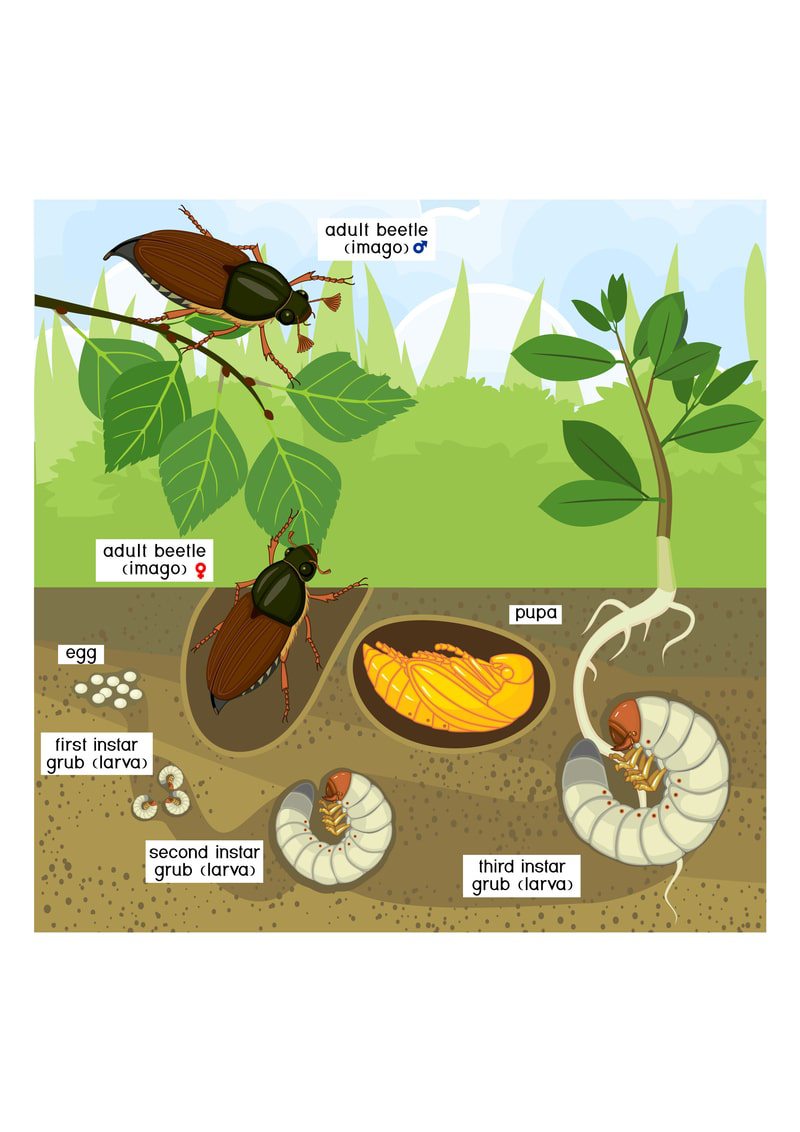
The beetle life cycle is known as a complete metamorphosis, meaning it has four very different stages: egg, larva, pupa, and adult. During these stages, beetles can experience a phenomenon known as diapause, a period of dormancy that allows them to survive unfavorable environmental conditions. Diapause can occur at each life stage of a beetle, helping ensure the species' survival. Pupae undergo diapause, pausing their transformation into adult beetles, ensuring that they emerge at the optimal time for reproduction and survival.
Eggs
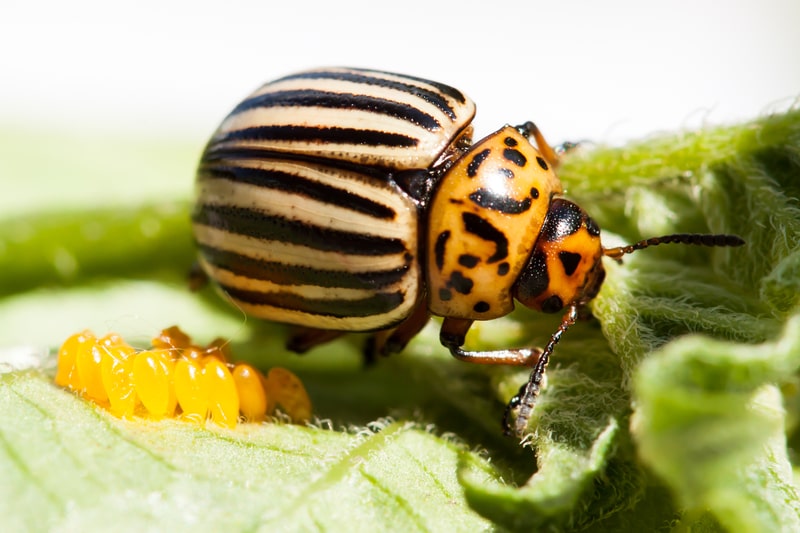
The female beetle, depending on the species, will lay hundreds of small white or yellow eggs. Beetle eggs can be deposited in decaying leaves, rotten wood, and even animal feces. Some beetles keep their eggs inside and give birth to live larvae. The time it takes for beetle eggs to hatch can vary significantly depending on the species and environmental conditions. For instance, ladybugs typically take about three to 10 days for their eggs to hatch, while the eggs of the Colorado potato beetle usually hatch within seven to 14 days. Some beetle eggs can enter diapause, preventing them from hatching until conditions like temperature, humidity, and the availability of food are favorable.
Larvae
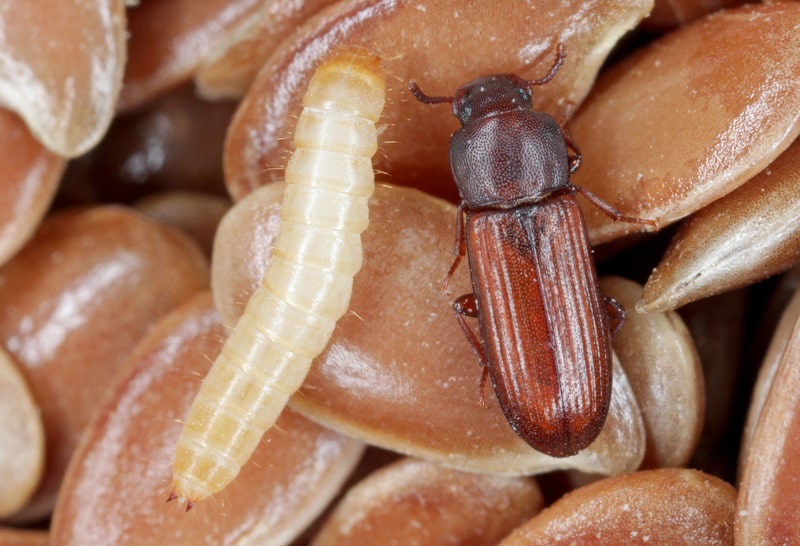
Beetle larvae have a grub or worm-like appearance and voracious appetites. In this stage, wood-destroying beetles, such as powderpost and Longhorned beetles, can damage structures. The larvae of these beetles feed on the cellulose structure of timber, eating the wood from the inside out. As beetle larvae begin to grow, they need to discard the outer covering of their bodies, known as the exoskeleton, to provide more room. This shedding, called "molting," may occur between seven to 10 times before the beetle larvae enter the pupal stage. The larval stage of beetles can last anywhere from several weeks to several years, depending on the species and environmental conditions. For example, some beetles may spend just a few weeks as larvae, while others, particularly those in harsher climates, may enter diapause and remain in this stage for up to two or three years.
Pupae
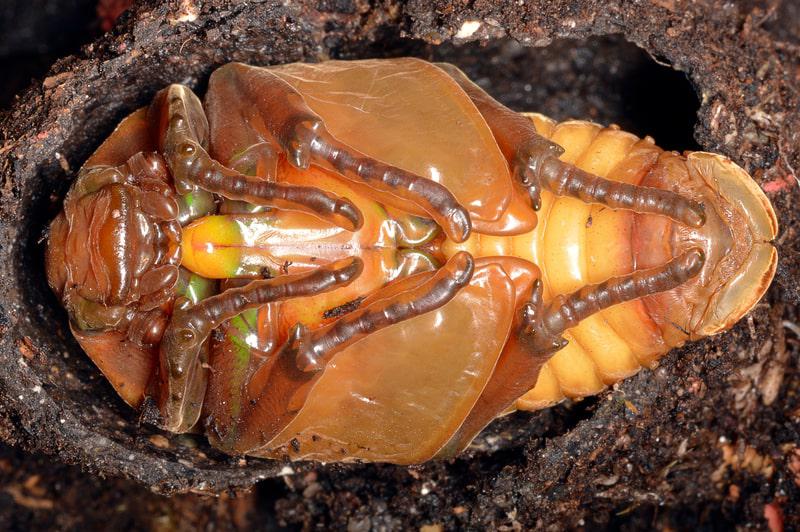
This stage of the beetle life cycle is where the greatest change in form takes place. The worm-like larvae form the pupa or cocoon, as it is often called, then lay dormant. During this stage, the beetle larva begins to take the shape of the adult beetle. The time period to reach adulthood from the pupal stage varies dramatically among different types of beetles. Some take as little as 30 days, while others may take up to two to three years to fully develop. Once adulthood is reached, the fully mature beetle emerges from the cocoon and begins another beetle life cycle all over again.
Adults
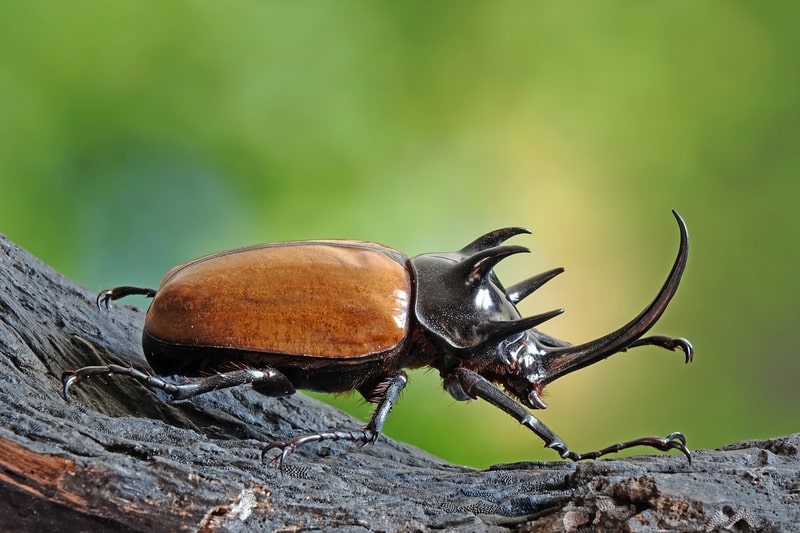
The adult stage is the final life stage of a beetle. Adults are found in many sizes, shapes, and colors. Some adults have large mandibles for catching their prey and for defense from predators. Some species, such as the Cerambycid beetle, resemble wasps to fool predators into staying away. Other species can emit poisonous or distasteful substances to ward off their enemies. Generally, the beetle lifespan can range from a few months to several years. For instance, ladybugs typically live for about one year, while the Hercules beetle, one of the largest beetles in the world, can live up to 10 years in captivity.
Understanding the beetle life cycle may help you better identify and get rid of any that you may find in or around your home. If you have a beetle problem in your home and need help with identification or control measures, call Terminix for professional pest control services.
