Yellow Fever Mosquitoes
(Aedes aegypti)
The yellow fever mosquito, Aedes aegypti, arrived in the United States during the colonial era. Throughout the 18th and 19th centuries, it played a significant role in yellow fever outbreaks along the East Coast. The early 20th century focused on eliminating Aedes aegypti breeding sites to control yellow fever.
While yellow fever is less of a threat in the U.S., these mosquitoes are still vectors for diseases like dengue fever, Zika virus, and chikungunya.
What do yellow fever mosquitoes look like?
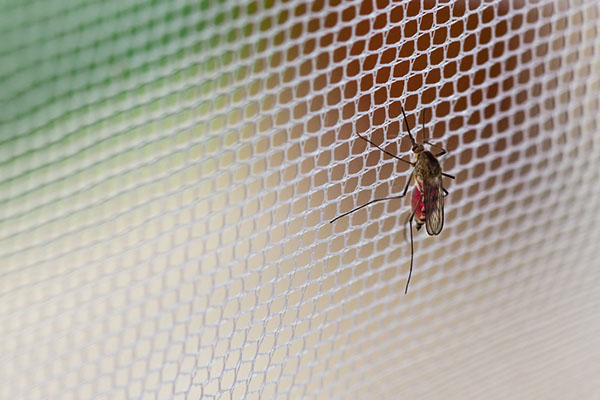
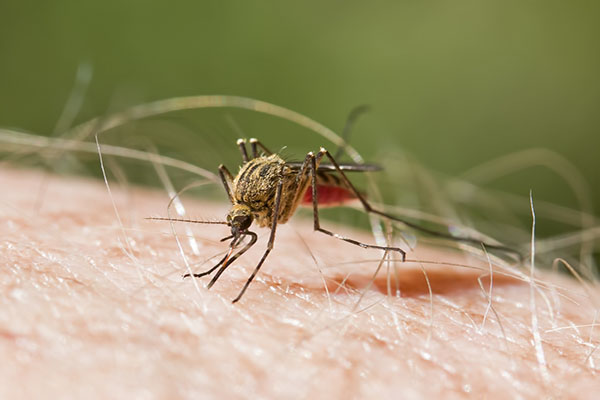
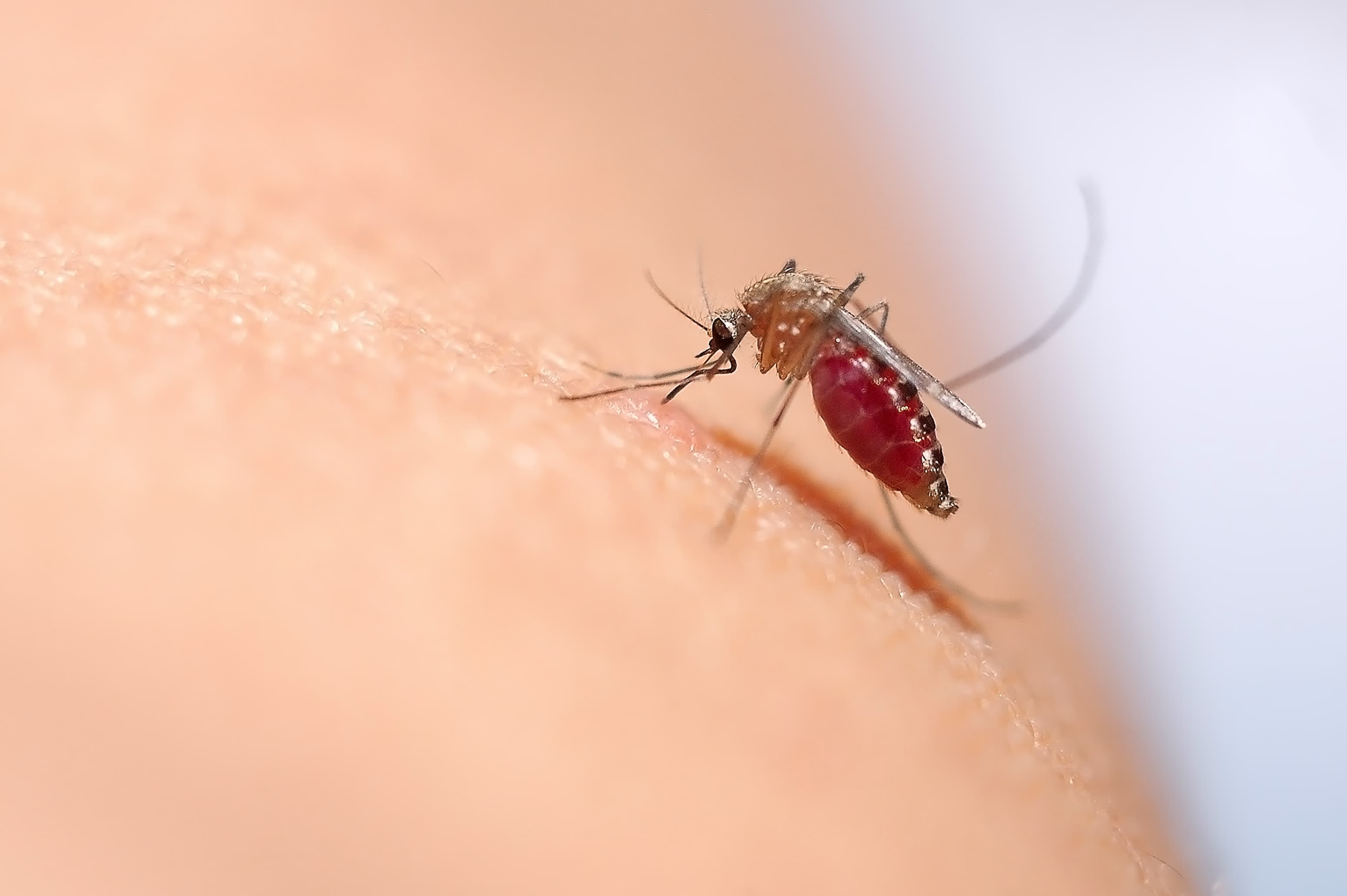
Yellow fever mosquitoes are considered small to medium-sized mosquitoes. Females are larger than males. The abdomen of the yellow fever mosquito is dark brown or black, and the top of the thorax has white scales that form a shape resembling a violin or a lyre. Their back legs are covered with white bands forming stripes.
Size: ¼” in length
Color: Dark brown or black with white

Where yellow fever mosquitoes are found
Yellow fever mosquitoes live in tropical and sub-tropical regions around the globe. In the summer, they can be found in more temperate areas. The insect’s range extends across 23 states in the United States, including the southeast, as far north as New Jersey, and as far west as Oklahoma and Texas.
The yellow fever mosquito can be found in urban and suburban environments where they have easy access to containers holding stagnant water to lay their eggs. Common breeding grounds include flowerpots, spare tires, untreated swimming pools, and drainage ditches.
Life cycle of yellow fever mosquitoes
The life cycle of the Aedes aegypti consists of four stages: egg, larva, pupa, and adult. Adult females require blood meals to develop eggs because it provides them with the necessary proteins and iron. Once fed, females can lay eggs singly in containers holding stagnant water. The eggs hatch into larvae, also called "wigglers.” The larvae transform into pupae, known as "tumblers," which develop into adults.
The life cycle can take approximately one to two weeks, but environmental factors and temperature influence the duration. Females can produce up to 200 eggs per batch, and adult yellow fever mosquitoes typically live anywhere from two weeks to a month. Aedes aegypti have a limited flight range, so they usually stay within 0.5 miles of their breeding site.
Bites from yellow fever mosquitoes
The Aedes aegypti can bite at dusk and dawn, as well as during the day. This mosquito species is known for its preference for biting humans. They’re aggressive biters who may bite multiple times during a feeding session.
The yellow fever mosquito is the most common vector of mosquito-borne diseases like dengue fever, Zika virus, chikungunya, and yellow fever. Some potential symptoms associated with bites from yellow fever mosquitoes include:
Tips for mosquito prevention and control
Efforts to control yellow fever mosquitoes date back to the 1900s when South American officials used insecticides to reduce disease outbreaks. Preventing mosquitoes from breeding is the most effective measure for controlling their presence around your home. Yellow fever mosquitoes breed in standing water found in containers. You can help control populations in your yard by:
You can also help reduce your risk of being bitten by wearing pants and long sleeves outdoors and using mosquito repellents recommended by the Centers for Disease Control and Prevention. However, these DIY mosquito control attempts may only be partially effective due to insufficient targeting of breeding sites.
If you want a long-term solution to your mosquito problem, consider Terminix's professional treatment and control solutions! Our treatment eliminates mosquitoes on contact and creates a zone of protection that lasts for weeks. Get started with mosquito control today.