Mosquitoes
What attracts mosquitoes to humans
Updated on: January 8, 2025
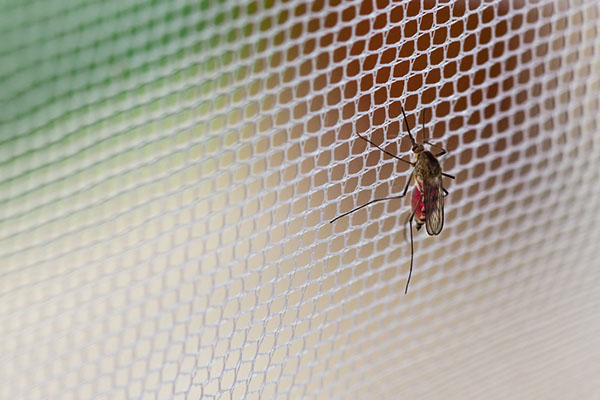
Anyone who has suffered through the pain and irritation of mosquito bites knows what troublesome pests mosquitoes can be. But what attracts mosquitoes to humans in the first place? Why is it that some people seem almost completely immune to these little buggers? Why, in a crowd, do mosquitoes tend to be partial to one victim over another?
The truth is several different factors can make a person more or less attractive to mosquitoes. However, when you understand what attracts mosquitoes to you, you can better prevent their painful, itchy bites.

Why do mosquitoes bite humans?
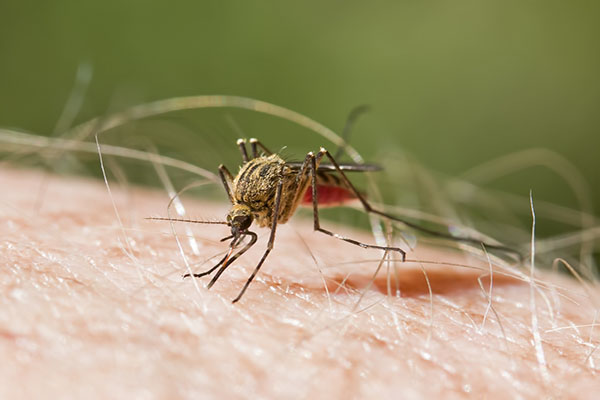
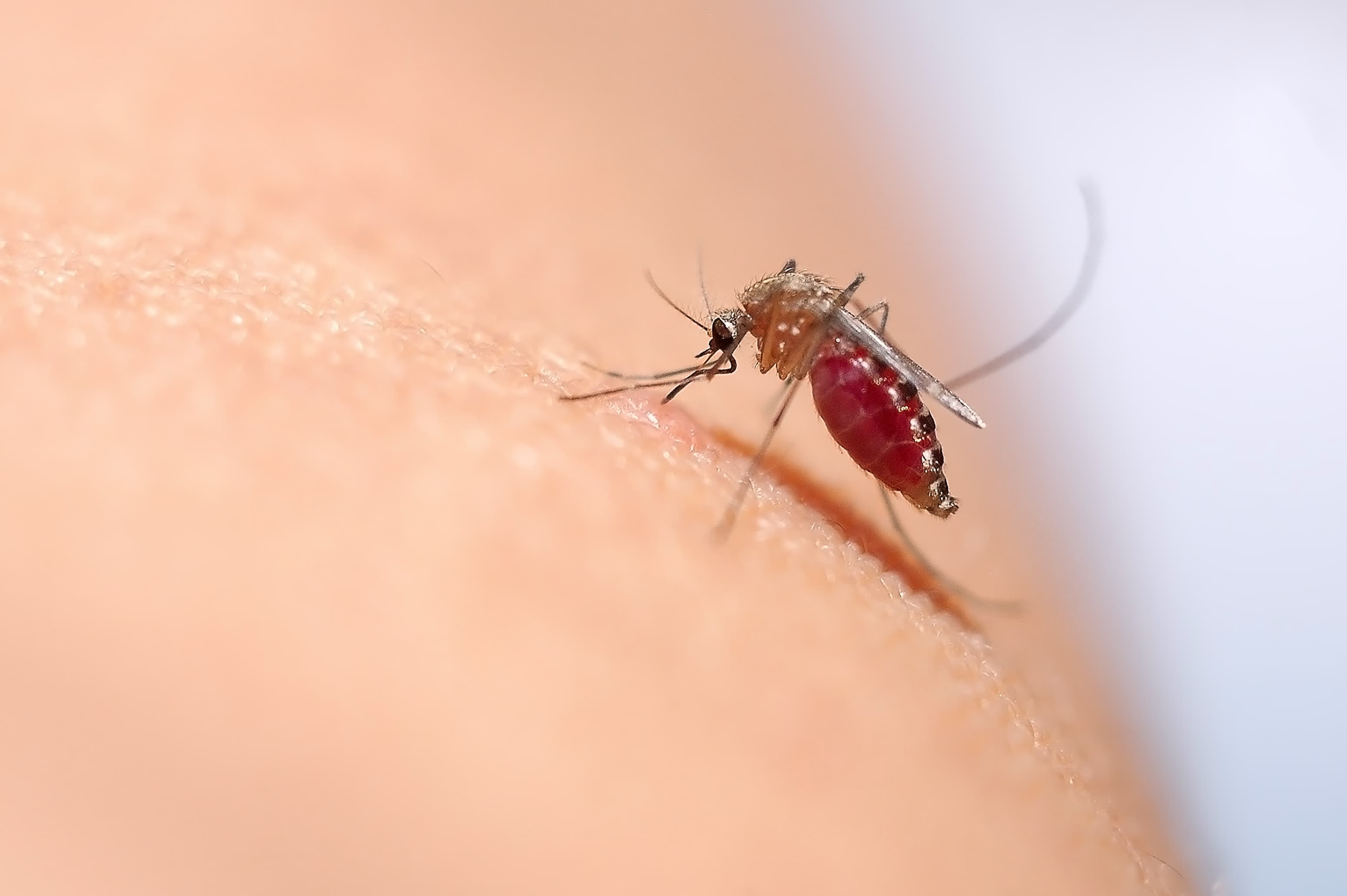
Believe it or not, only female mosquitoes bite. They have a proboscis, which is a long, tubular mouth that can puncture the skin and suck blood. They seek to feed on blood to get the nutrients required to produce eggs. A female mosquitos' primary role is to reproduce.
What attracts mosquitoes to humans?
Many different factors can attract mosquitoes to humans. Mosquitoes detect potential hosts through a combination of visual, olfactory, and thermal cues. From your blood to even your smell, there are numerous scents and chemicals that can make you a “mosquito magnet.”
Your blood
As previously mentioned, only female mosquitoes feed on blood. When female mosquitoes are ready to lay eggs, they seek out a blood meal to obtain the necessary nutrients. They use their proboscis to pierce the skin and access blood vessels. While feeding, they inject saliva into the blood to allow for blood uptake, prevent clotting, and prevent pain. It's this saliva that often causes the itchy reaction in humans.
Your breath
In addition to a proboscis that can puncture human skin, female mosquitoes sport long antennae and olfactory (odor-sensing) organs called palps. These instruments are attuned to the odor of carbon dioxide, or CO2, which we produce every time we exhale. High concentrations of CO2, which mosquitoes can detect from more than 150 feet away, offer an initial temptation to hungry mosquitoes. However, CO2 isn’t the only determinant of who gets bitten and how badly.
Your smell
Certain odors released from sweat are more likely to attract mosquitoes. Substances such as uric acid, lactic acid, and ammonia can also be released by bacteria that live in human skin. And, the higher your body temperature, the more likely you are to sweat. These facts help to account for why mosquito bites will frequently be clustered around the feet, ankles, wrists, and hands, as all these areas of the body tend to be exposed to the elements to collect and retain moisture and to play host to larger bacterial colonies.
Reasons completely beyond your control
There is no single determining factor explaining why mosquitoes bite who they bite. Researchers have demonstrated that individuals with Type O blood are more likely to be bitten than individuals with Type A blood.* Your metabolism is also a factor, with its capacity to raise and lower your body temperature. Scientists have established that an individual’s genetic makeup can account for 85 percent of the various factors that can attract mosquitoes to you.*
Mosquitoes and other species
Human beings aren’t alone in dealing with mosquitoes. Certain species of mosquito attack birds, other mammals, and some even selectively target fish and reptiles. However, when a given species’ preferred food supply is low or threatened, the mosquito will not hesitate to be opportunistic and feed on whatever it can.
Regardless of whether you attract mosquitoes or not, they’re more than a nuisance. They are a risk to public health wherever they thrive and are responsible for the spread of such deadly diseases as malaria, dengue fever, the Zika virus, and the West Nile virus. If you’re concerned about medical symptoms associated with any of these conditions and suspect that they may be a result of a mosquito bite, consult your physician.

What habitats are mosquitoes attracted to?
Mosquitoes are attracted to a combination of factors that create an optimal environment for them to thrive. Warm and humid conditions and standing water are all ideal habitats that will attract mosquitoes. Mosquitoes breed in stagnant bodies of water such as ponds, swamps, and marshes, which provide the perfect environment for their larvae to grow and develop. Mosquitoes can also breed in manmade containers such as buckets, flower pots, and old tires holding water for over a week. That's why removing any standing water in your yard and other areas around your home is essential to help prevent them.
How to prevent mosquito bites
Now that you understand what attracts mosquitoes to you, how do you prevent them? There are many ways to help prevent mosquitoes from biting you. Some common DIY methods include: wearing long sleeves, using mosquito nets or fans, and removing standing water from your yard. DIY methods can be great for short-term protection, but professional mosquito control is the most effective when it comes to long-term solutions.
At Terminix, our technicians know mosquitoes, their breeding patterns, and what attracts them. Our technicians will identify the root causes of your mosquito problem and work with you to create a customized solution to help prevent them from breeding and coming back. If you have a mosquito problem, contact us today!
*The correlation between blood type, metabolism, and genetic makeup influencing mosquito attraction is based on research from The National Library of Medicine